




























Prenatal ultrasounds miss up to half of fetal abnormalities, but a new AI-powered tool just cleared by the United States could help close that gap.
A new AI software designed to enhance fetal ultrasound screenings has been cleared for clinical use by the United States’ Food and Drug Administration (FDA).
 ADVERTISEMENT
ADVERTISEMENT
ADVERTISEMENT
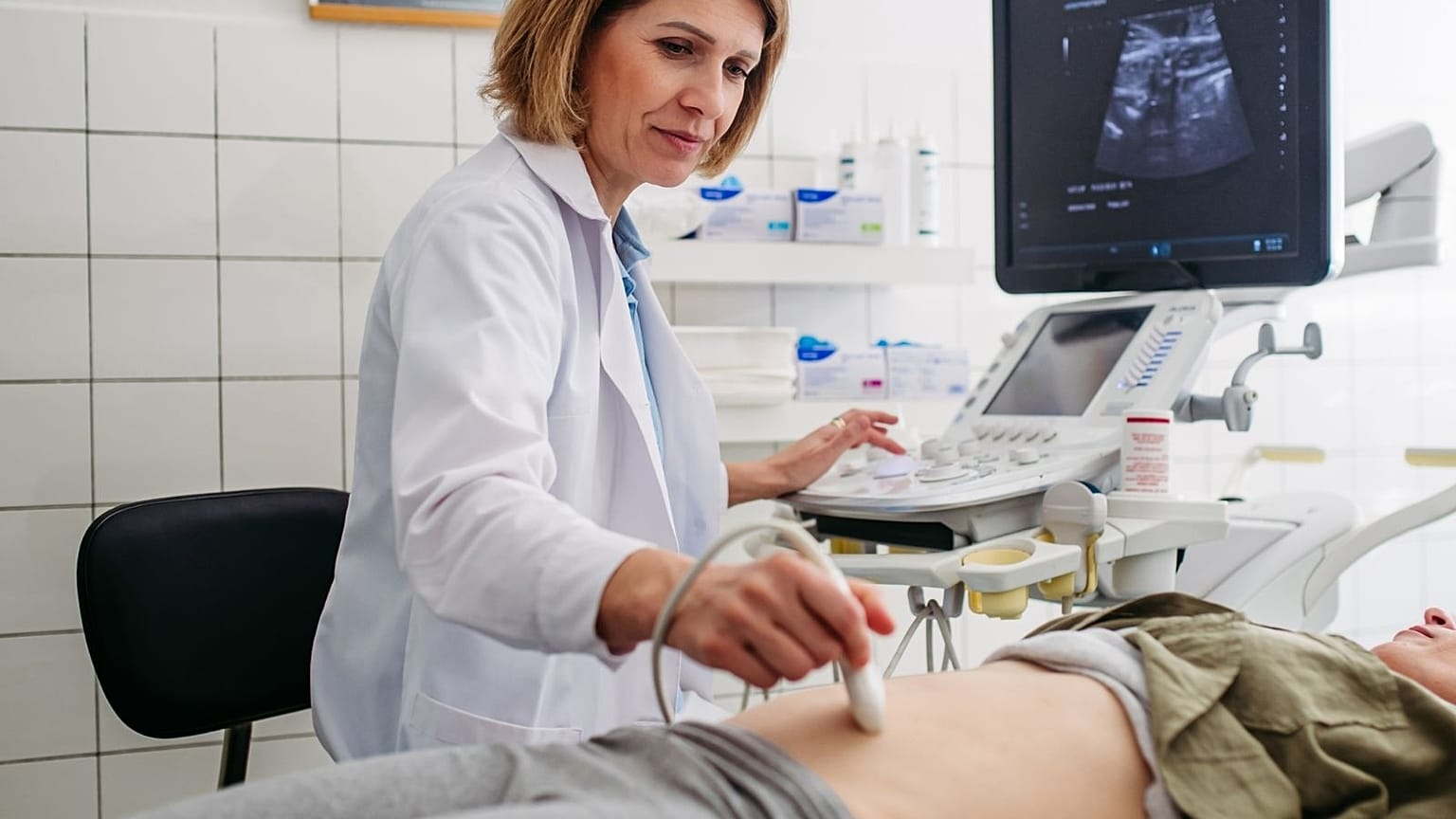
The tool, developed by the American start-up BioticsAI, integrates with existing ultrasound machines to analyse images in real-time, detecting malformations and flagging issues for doctors during scans of pregnant women.
Prenatal ultrasounds are commonly used throughout pregnancy and can identify potential issues with the developing fetus. Scans can detect abnormalities that can affect the fetus’s organs or body parts while they are still developing.
How does it work?
When the ultrasound captures a fetal image, the BioticsAI software analyses it instantly. It checks the quality of the image, suggesting adjustments for a clearer view and performs a scan to check if every part of the baby is visible, flagging any missing elements from the image.
Using patterns extracted from global data, it can detect any anomalies and flag potential problems, such as heart or limb defects.
Finally, it generates a report aggregating all these findings that the doctor can access after the ultrasound.
The developers claim that the software can save healthcare professionals eight minutes per patient in saved documentation.
The FDA gave clearance for the software to be used as a medical device for clinical use. This step confirmed the product meets performance standards and can be integrated into existing systems.
Barriers in prenatal care
Major congenital anomalies occur in 23.9 per 10,000 births across Europe, according to the latest data from the European Commission.
A large review by Cochrane, a global independent organisation that evaluates healthcare research, examined the diagnostic accuracy of routine prenatal ultrasound scans by analysing studies including over seven million pregnancies.
The review found that a single early scan, performed between 11 and 14 weeks of pregnancy, detects only 38 percent of birth defects. A mid-pregnancy scan, around 18-24 weeks, can spot 51 percent of birth defects. When both scans are performed, detection rises to 84 percent.
Europe also has similar homegrown solutions. French companies Diagnoly and Sonio Detect have also received approval for AI ultrasounds by European tools for prenatal scans, helping spot baby structures and heart issues automatically.