














Turkic-speaking countries explore coordinated approach to fake news as global tech platforms evade national regulations.
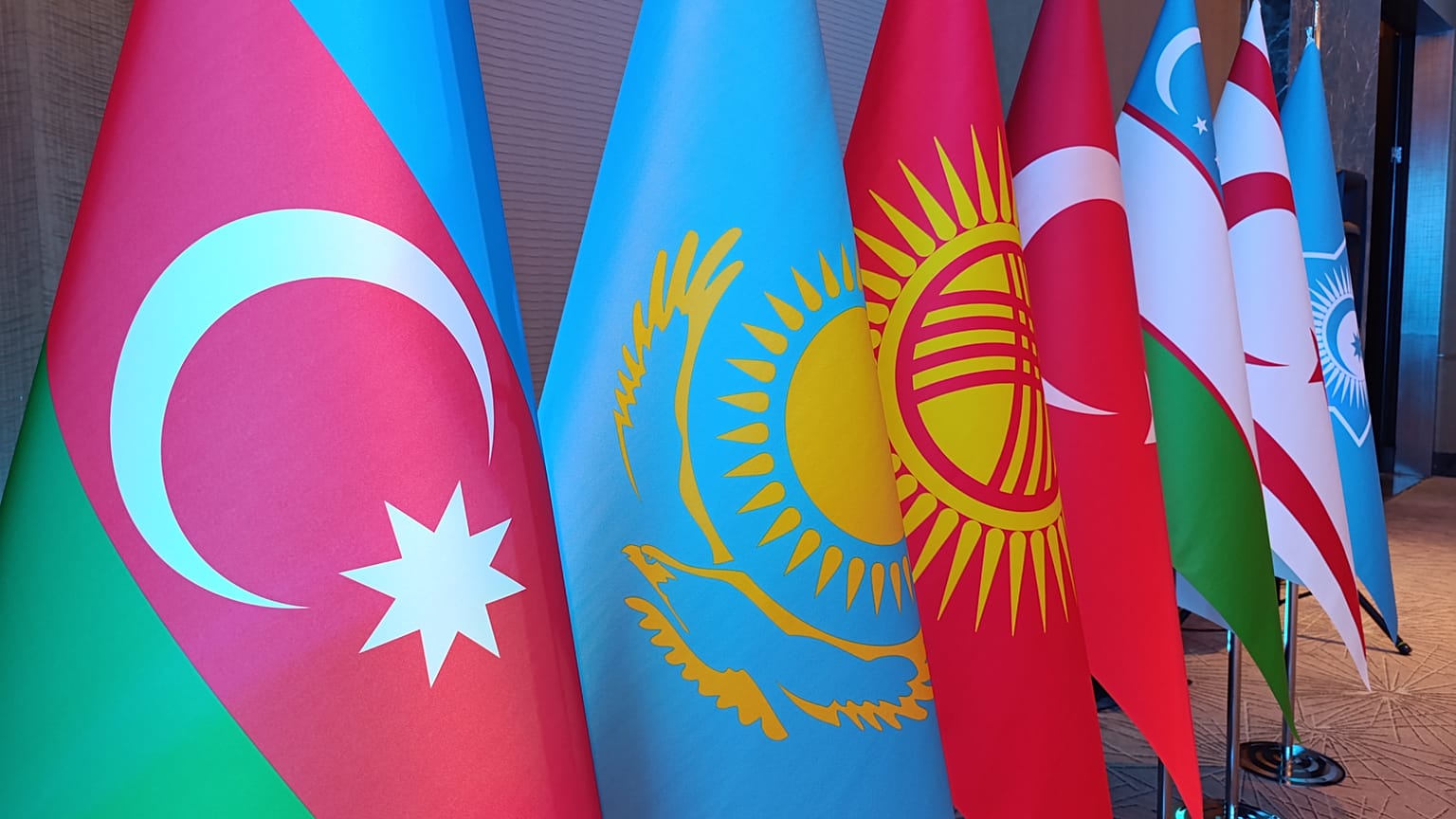
Baku hosted a series of events, welcoming delegates from the Organisation of Turkic States, a regional bloc connecting countries with shared language roots, cultural ties, and strategic interests.
 ADVERTISEMENT
ADVERTISEMENT
ADVERTISEMENT
The gatherings in the Azerbaijani capital underscored the OTS’s expanding role in regional cooperation.
The development of common media standards and the promotion of mutual exchange of experience are key priorities for the Turkic States.
Strengthening the resilience of the Turkic states’ media ecosystem has become essential with growing global information risks and the spread of cross-border disinformation.
False news and disinformation are global issues that affect the East as much as the West.
"There are so many platforms — YouTube, Instagram — where citizens also spread false information and the government can't do anything about it," said Zarina Kalmuratova, chief specialist of the Information Policy Department of the Ministry of Culture, Information and Youth Policy of the Kyrgyz Republic.
In an interview with Euronews, Kalmuratova's frustration captures a challenge confronting governments worldwide: how to enforce national laws when information flows through global platforms operating beyond any single country's jurisdiction.
As a chief specialist in Kyrgyzstan's government, she's grappling with the limits of her country's efforts to combat online misinformation.
When Kyrgyzstan passed a law against fake news in 2022, critics immediately warned the legislation could become a tool for government censorship, silencing dissent under the guise of protecting citizens.
Two years later, speaking at a recent media conference in the Azerbaijan capital Baku, Kalmuratova insists those fears haven't materialised.
"Yes, it was perceived as a restriction. As if it were a tool for blocking or shutting down websites. But in reality, that didn't happen," she said.
Under Kyrgyzstan's framework, individuals who believe they've been targeted by misinformation can request that government authorities intervene. Officials then request that the offending outlet remove the content within 24 hours.
Websites that refuse face potential blocking for up to two months — a penalty Kalmuratova describes as measured rather than draconian.
Pressuring global platforms
Yet even this enforcement mechanism breaks down when content appears on international platforms.
Kalmuratova's proposed solution involves pressuring tech giants like Meta and Google to establish official operations within Turkic-speaking nations, creating accountability mechanisms currently absent.
"This would be a huge step in the fight against disinformation," she argued during the conference, which brought together media officials from across the Organisation of Turkic States (OTS).
Addressing the current challenges facing journalism, Natig Mammadli, the deputy executive director of Azerbaijan Media Development Agency, reminded the audience that the media has persistently faced threats and persecution since its inception.
To counter these pressures, he stressed that maintaining professionalism is crucial to the media's continued existence. He also noted a significant shift in challenges, pointing to the spread of AI-generated fake news as a leading modern threat to journalistic work.
Beyond restriction
Kazakhstan's Deputy Minister of Culture and Information Kanat Iskakov outlined a complementary strategy focused on creating trustworthy alternatives rather than simply blocking problematic content.
"We must develop coordinated approaches to journalistic standards for digital services to build audience trust," Iskakov told the conference.
His emphasis on harmonised standards and collaborative content production suggests these nations recognise that credibility, not just enforcement, will determine their success in combating misinformation.
The goal is to cultivate domestic media outlets that audiences trust, reducing the appeal of unreliable sources.
A regional experiment
The Baku meetings — including the 12th Working Group Meeting on Media and Information, Media Forum and the 7th ministerial-level conference — represent the latest step in the OTS's efforts to establish common media policies across diverse political systems.
The initiative raises complex questions about the balance between protecting citizens from harmful falsehoods and preserving space for legitimate criticism and debate.
The following OTS media forum will convene in Turkey, and member states will address issues such as how governments can enforce standards when platforms operate globally, how to build public trust, and how regional cooperation could provide answers that individual nations cannot achieve alone.
The OTS comprises Turkey, Azerbaijan, Kazakhstan, Kyrgyzstan and Uzbekistan as full members, with Hungary, Turkmenistan and others participating as observers.