


















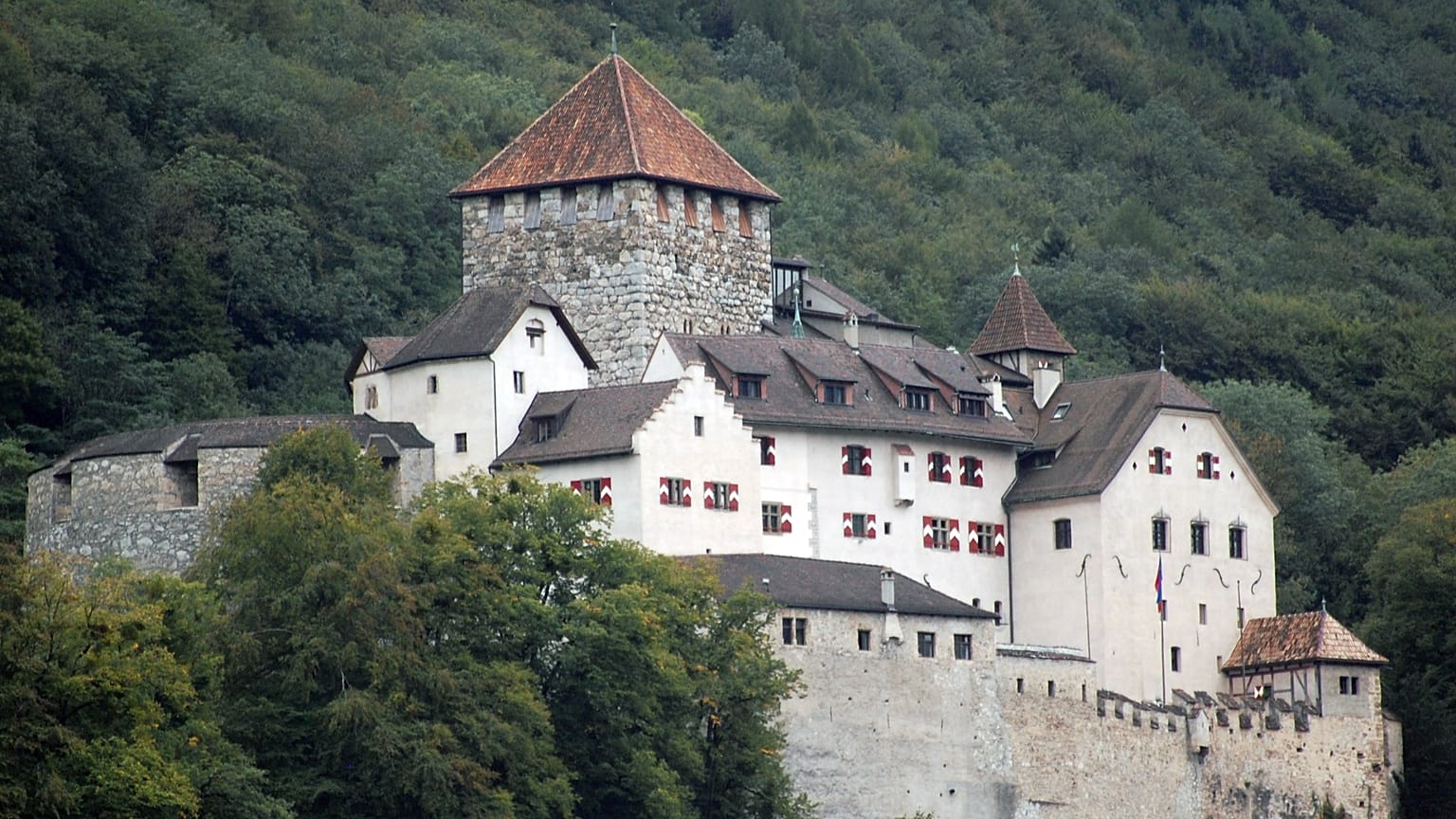













Liechtenstein, a wealthy nation of 40,000 people that borders Switzerland and Austria, has an unusually powerful monarchy by European standards.
Liechtenstein’s royal house has said that the tiny country's rules of succession will be changed so that a woman could in the future inherit the principality's throne.
 ADVERTISEMENT
ADVERTISEMENT
ADVERTISEMENT
Hereditary Prince Alois announced the change and said it had been approved by the necessary two-thirds majority of family members who can vote on such matters.
“The ability to combine continuity and renewal is also a principle that we foster inside the princely house,” Alois said, according to a text of his remarks posted on the house’s website.
“In our centuries-old history, it has served us well to make decisions in a long-term and very well thought-out way.”
“The line of succession will be adjusted from male primogeniture to absolute primogeniture,” Alois said. “That means that in the future, the first-born child will, regardless of sex, become the heir to the throne and later the princess or prince of Liechtenstein.”

A statement from the royal house specified that the change will only apply to descendants of the children of Alois and his wife, Hereditary Princess Sophie, who are born in the future, so it won't affect the current line of succession.
Prince Hans-Adam II remains the head of state, but in 2004 handed over most of his powers to Alois, his eldest son, who is now 58.
That was in line with a tradition of Liechtenstein monarchs giving up the reins to their heirs.
The eldest of Alois' four children is 31-year-old Prince Joseph Wenzel. The second-oldest is Princess Marie Caroline, 29.
Liechtenstein, a wealthy nation of 40,000 people that borders Switzerland and Austria, has an unusually powerful monarchy by European standards.
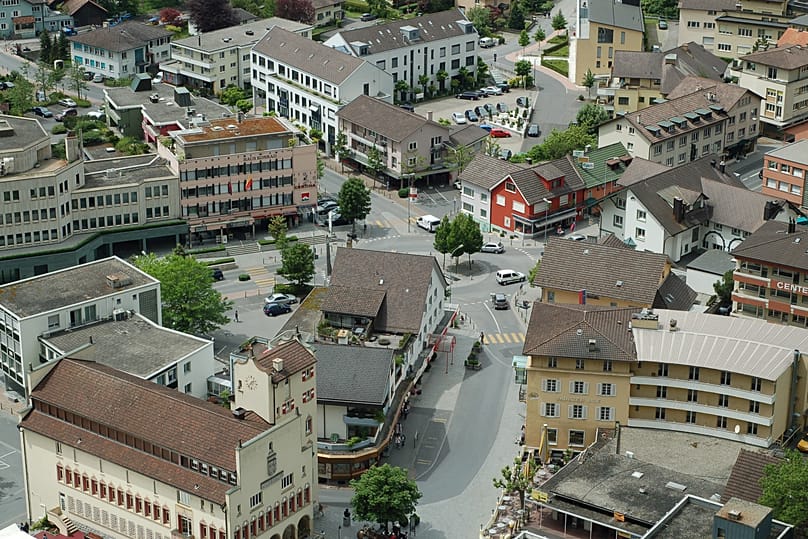
The ruling prince has the power to veto referendum results, appoint judges and fire the government.
The principality is traditionally conservative and in 1984 became the last European country to grant women the right to vote in national elections. Male voters narrowly approved the change, which Hans-Adam had backed, in a referendum.
Last year, Brigitte Haas became the principality’s first female prime minister.