






























A broad coalition of business and civil society groups is urging the European Commission to introduce mandatory purchasing criteria to create demand for low-carbon products, effectively making procurement part of Europe's industrial strategy.
A coalition of 26 businesses and civil society organisations representing more than 11,500 companies is urging the European Commission to make low-carbon criteria mandatory in EU public procurement rules ahead of a revision expected on 9 September.
 ADVERTISEMENT
ADVERTISEMENT
ADVERTISEMENT
In a letter sent to the Commission on 18 August and led by the Italian Climate Change think tank ECCO, the signatories say public authorities spend around €2.5 trillion a year on procurement, equivalent to about 16% of EU GDP.
However, they argue Europe is not using that purchasing power aggressively enough to create demand for cleaner products and technologies, creating a disconnect in Brussels’ approach: companies are being urged to decarbonise, while market conditions do not always reward those that do.
"Public procurement has the potential to send clear signals to the market, supporting the uptake of more sustainable technologies and production processes. However, this potential remains only partially exploited," reads the letter.
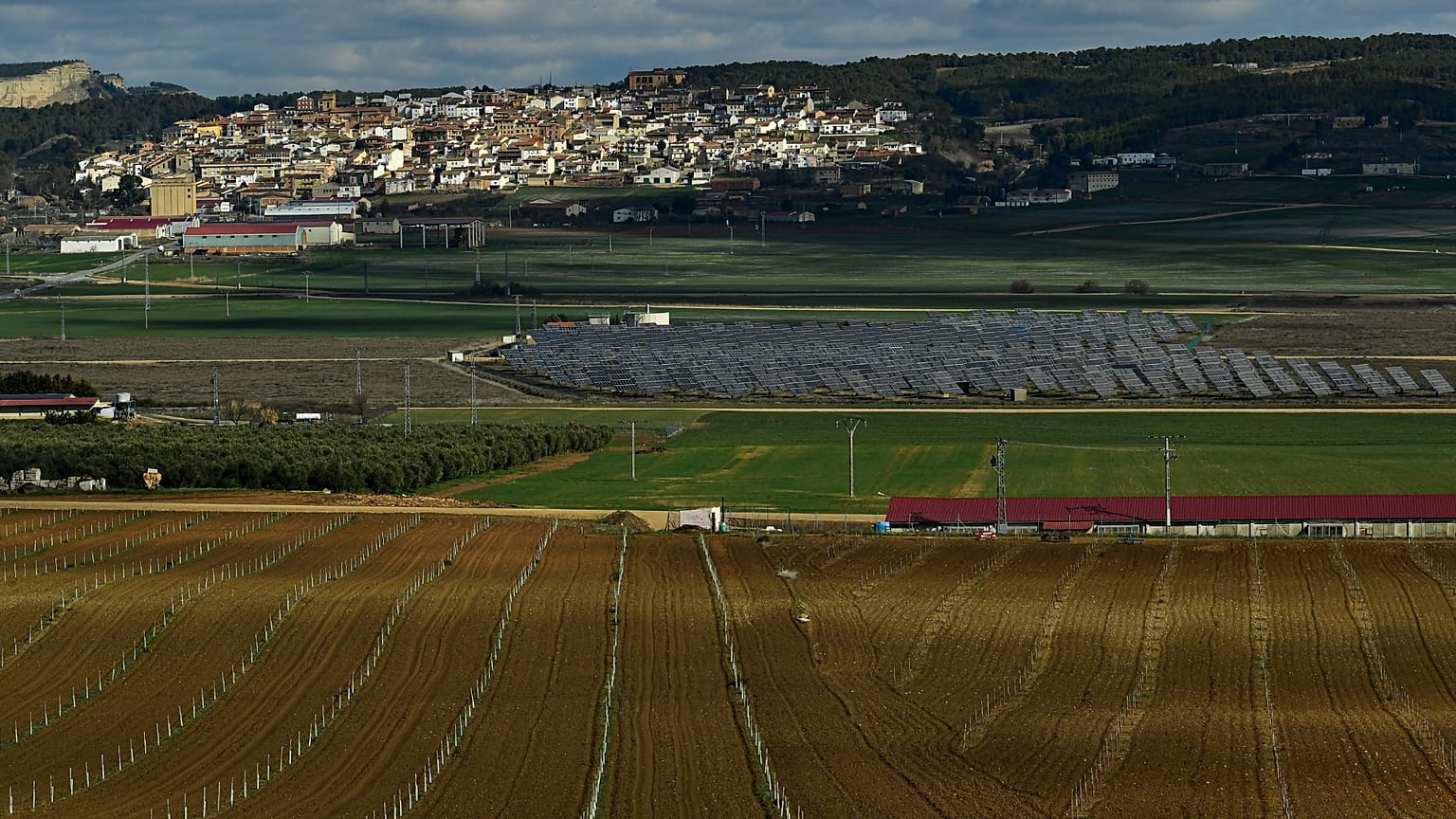
Spain has been building on its reputation in renewable energy to position itself as Europe's future leader in green hydrogen. But some energy sector experts urge caution about ramping up an industry that would rely heavily on massive increases in the availability of zero-carbon electricity from sources like wind or solar.
The signatories say procurement remains too heavily driven by the lowest price, while green criteria, introduced under the bloc's Net Zero Industry Act in 2024, are often voluntary and applied differently across member states. They argue that this fragmentation prevents public purchasing from becoming a reliable market signal for European industry.
If governments consistently favour cleaner steel, construction materials, technologies and other products, the coalition argues, suppliers will have a much stronger commercial incentive to invest in decarbonisation.
The letter comes as the EU co-legislators are currently discussing the divisive Industrial Accelerator Act, which introduced “Made in Europe” in public procurement and public support in a bid to curb US and China's dominant position and revive the EU's industrial sector alongside the energy transition.
Political demands to phase out lowest-price criteria
In a more political move, the coalition is asking Brussels to phase out lowest-price-only awards and make the broader "most economically advantageous tender" approach the norm. In practice, that would give public authorities greater scope to consider carbon emissions and other factors alongside cost.
The coalition suggests the Commission tie procurement to the EU's existing climate architecture by using methodologies already associated with existing climate rules, such as the EU's carbon market system rules or carbon border tax rules, which could make emissions data more comparable while avoiding a new reporting regime for companies.
"To facilitate market adaptation, ensure legal certainty and prevent fragmentation, these requirements should be introduced progressively and structured around a clear distinction between core mandatory minimum criteria, acting as eligibility thresholds, and additional reward criteria to incentivise over-compliance and continuous innovation," reads the letter.
The signatories also want procurement rules to prevent public contracts from going to suppliers that rely on poor working conditions or abuses further down global supply chains.