



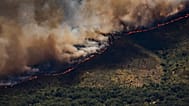













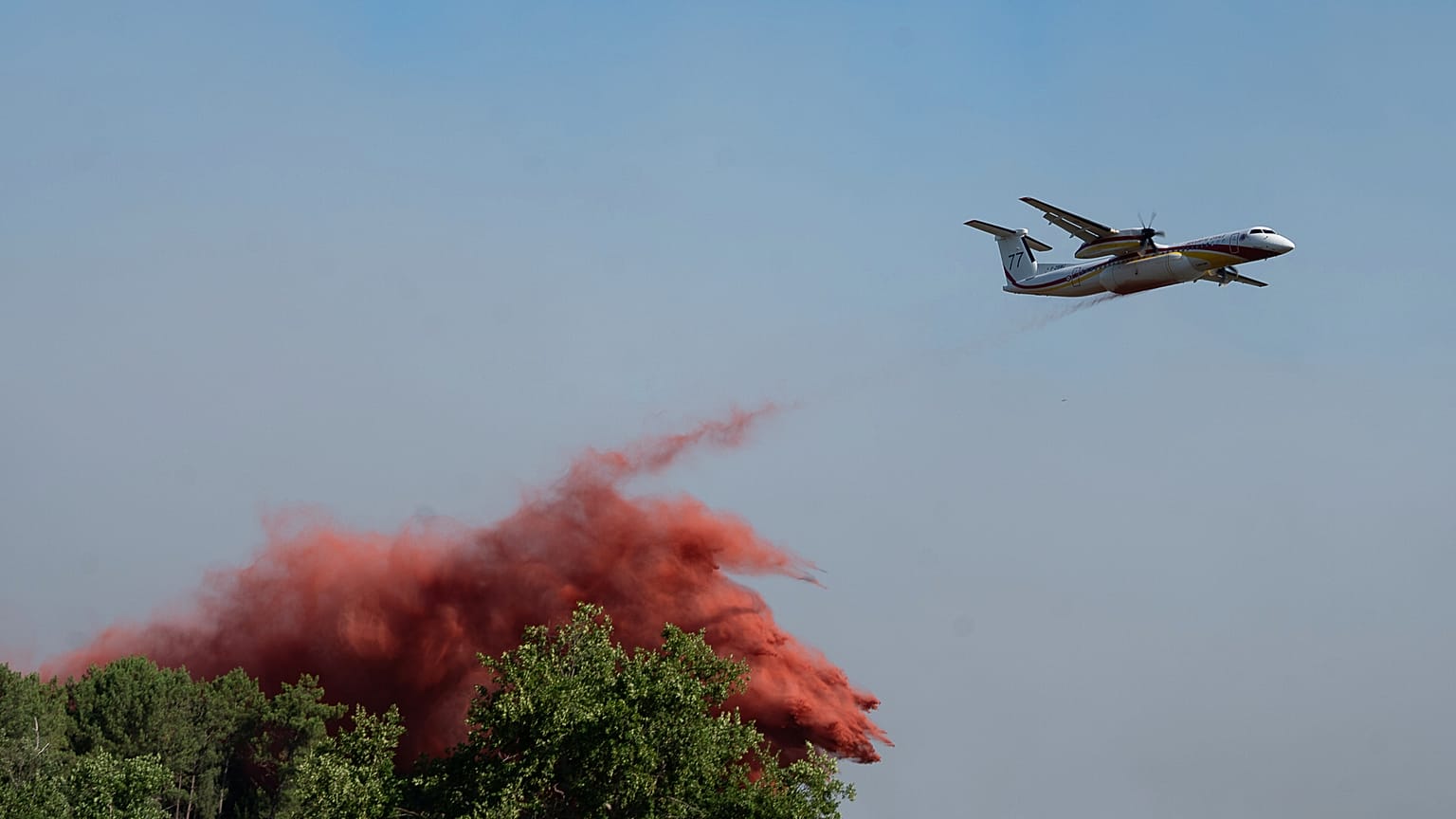













French forces have joined operations near Bordeaux after blazes forced 110,000 to flee the south-west. In Spain, military units are leading efforts under a national emergency as merged fires near Madrid and Ávila displaced 40,000 people.
Large forest fires continue to burn out of control across south-western France and central Spain, forcing massive evacuations and prompting military intervention in both nations.
 ADVERTISEMENT
ADVERTISEMENT
ADVERTISEMENT
In France, a massive wildfire has reached the outskirts of Bordeaux, raising the total number of people evacuated across surrounding areas to 110,000. Earlier, tens of thousands of residents already fled as wildfires swept through the tourist peninsula of Cap Ferret on the Atlantic coast.
The French Prime Minister has requested army support to assist firefighters on the ground.
The main blaze, active since Wednesday near Cap Ferret (60 kilometres from Bordeaux), has consumed 125 square kilometres. Around 1,500 people escaped the peninsula by sea, arriving in Arcachon aboard water taxis and ferries.
In total, 44,000 people were evacuated in the Gironde department, where 53 homes and a campsite were destroyed and 42 firefighters injured, while 23,000 were evacuated in the neighbouring Landes department due to an uncontained 25-square-kilometre blaze further south.
"It’s quite impressive and even frightening," said Laurent Moretti, a resident of Arès. "An evacuation on this scale has never happened before. All we really hope is that the firefighters can quickly get it under control."
French Interior Minister Laurent Nunez stated that France has 32 active wildfires, with over 50,000 hectares burned since January, nearly triple last year's total.
Military Emergency Unit in charge of operations in Spain
In Spain, the government declared a national emergency for wildfires for the first time. The Minister of the Interior has assumed direct coordination of all firefighting resources, with the Military Emergency Unit taking charge of operations on the ground as a heatwave brings temperatures above 39°C and high winds have fanned multiple blazes.
Two major fires west of Madrid merged into a single blaze, charring 30 square kilometres and prompting the evacuation of 18,000 people. Nearby in Ávila, a blaze consumed 90 square kilometres, forcing 1,500 people to flee.
Authorities later ordered the evacuation of 7,000 more people from two new localities west of Madrid. In total, around 40,000 people in the Madrid region have been evacuated or told to remain indoors.
Meanwhile, the La Mierla fire in Guadalajara—the largest in Spain, which has scorched 32,000 hectares—has finally begun to subside. However, the national toll remains severe: the total burned area across Spain has doubled in just two weeks, approaching 120,000 hectares so far this year.
Spanish police arrested one man in Castilla y León for starting a fire using farm machinery during a ban, with a second person under investigation.
Wildfire analyst Raúl Quílez noted that climate change and rural land abandonment have left villages exposed, creating a "perfect cocktail" for severe blazes.
International assistance and broader impact
Both nations have requested European Union assistance. France will receive aerial reinforcements from Croatia, Portugal, the Czech Republic, and Slovakia. Spain is receiving four water-dumping aircraft deployed by Italy and Greece, along with support from the Copernicus satellite system.
Wildfires also continue to affect Sicily, where temperatures over 40°C resulted in scattered evacuations and claimed the life of a firefighter in Caltanissetta.
Wildfires are becoming more frequent and intense in Europe, WHO Europe said on Friday. Portugal and Spain have each reported a 100% increase in wildfires this year compared with the same period in 2025. Since 2022, the number of wildfires has risen by 57% across the WHO European Region.
Last year alone, around 2.2 million hectares burned, while 254,388 hectares had already been destroyed by 22 July this year, according to the European Forest Fire Information System (EFFIS).