




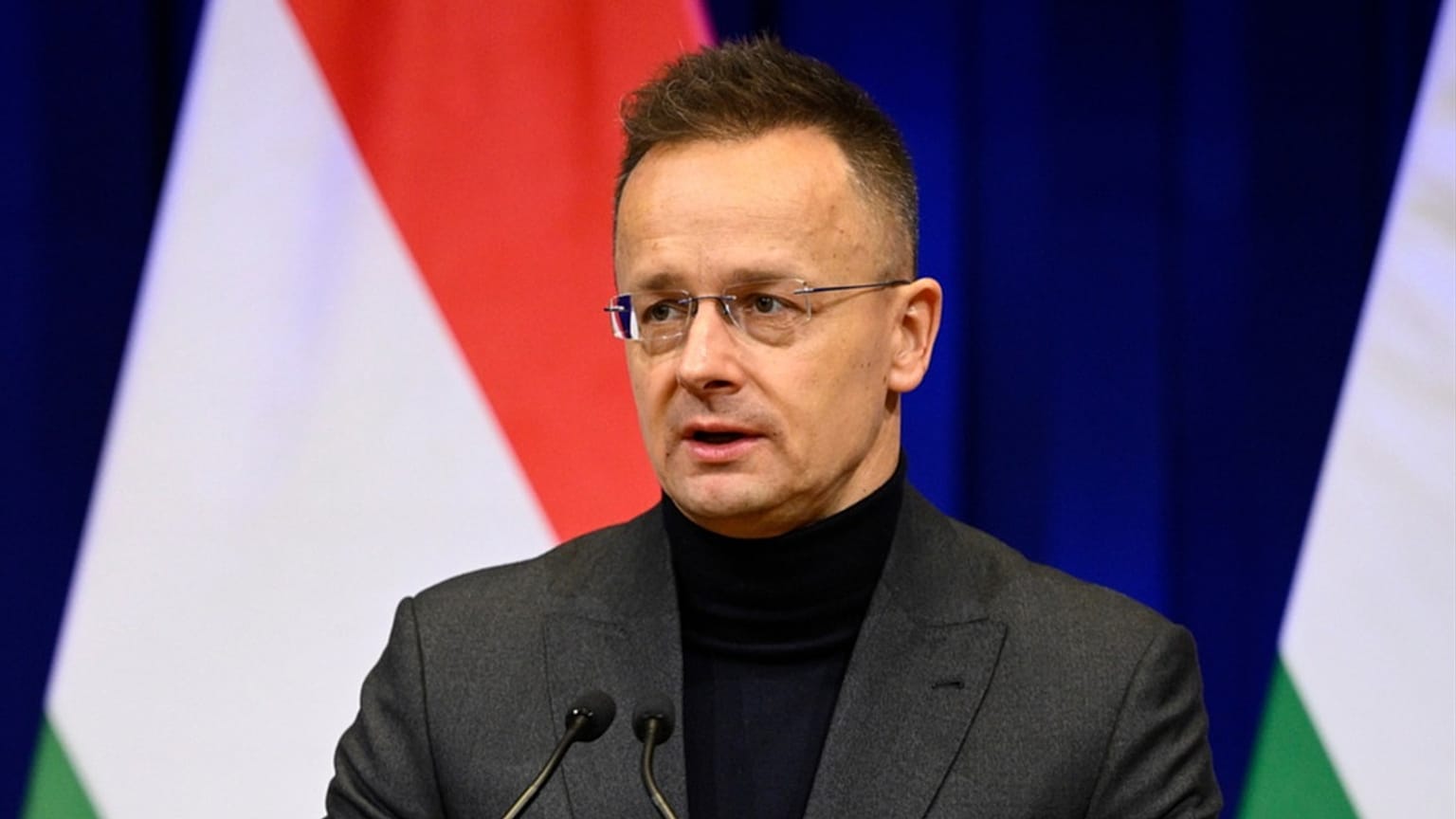














Péter Szijjártó announced his resignation and details of his new position with the world's largest electric carmaker, China's BYD, on his Facebook page on Wednesday, detailing that he'll be filling an "international executive position".
Hungary's former foreign minister Péter Szijjártó has resigned from his seat in parliament and taken an executive position with Chinese electric automaker BYD.
 ADVERTISEMENT
ADVERTISEMENT
ADVERTISEMENT
Szijjártó, who served as Hungary's top diplomat for nearly 12 years under former Prime Minister Viktor Orbán, wrote on Facebook that he had received “a highly prestigious offer” from the world's top electric carmaker “to fill an international position”.
“BYD is one of the greatest success stories in the automotive industry over the past 20 years,” Szijjártó wrote. “Starting today, I will continue to work as the executive responsible for the group’s external relations and the development of new business lines.”
Szijjártó lost his job as foreign minister after opposition leader, and now prime minister, Péter Magyar, won in a landslide election against Orbán's Fidesz party back in April.
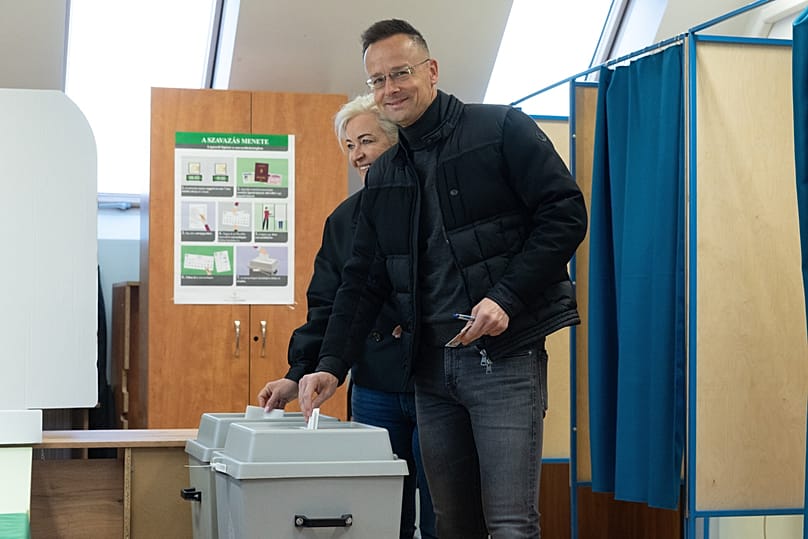
Since then, Szijjártó had been absent for most parliamentary votes and rarely appeared in public or posted on social media. He has held a seat in Parliament since 2002.
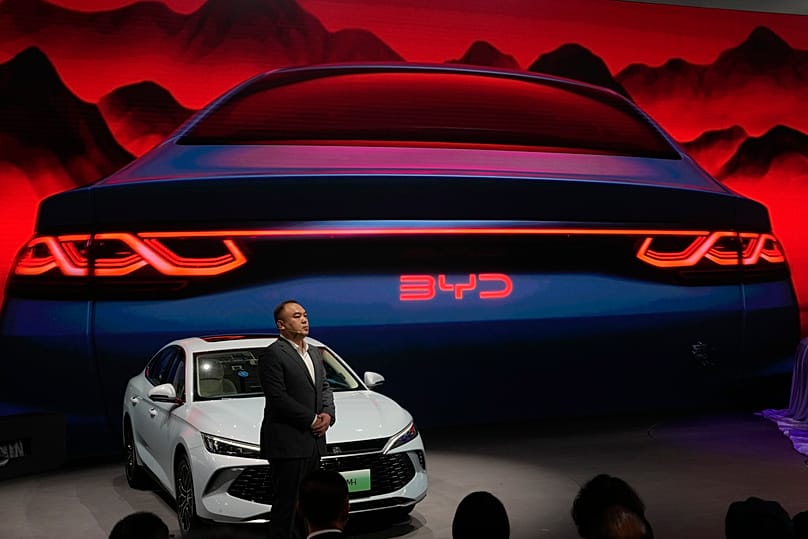
In 2023, Szijjártó announced that his now-employer BYD would open its first European factory in Hungary — allowing the conglomerate to skirt European Union import tariffs on Chinese electric vehicles imposed to protect the continent's domestic auto manufacturing sector.
As Hungary's foreign affairs and trade minister, he played a central role in talks with BYD to bring the plant to Hungary, and said at the time that the decision came after 224 rounds of negotiations between the company and Hungary’s government.
Szijjártó called the project “one of the largest investments in Hungarian economic history,” and said the government would provide financial incentives to BYD for building the plant.
While in office, Szijjártó and Orbán opposed EU tariffs against Chinese products and sought major investment from Beijing, opening a series of Chinese EV battery manufacturing plants across the country.
Orbán's government and Beijing also jointly developed a rail corridor between Hungary and Serbia that is part of China’s “Belt and Road” global trade initiative.
EU-China trade tensions
The announcement comes amid growing trade tensions between Brussels and Beijing, with the latter repeatedly threatening to retaliate against EU moves to protect its market from Chinese overcapacity.
The EU is facing a growing trade deficit with China, which across the bloc has reached a record €1 billion a day, and engagement with Beijing has become a top priority for Brussels.
At the end of June, EU Trade Commissioner Maroš Šefčovič said Brussels would seek to achieve "tangible" results through dialogue with China by October.
The extent to which that deadline is achievable, however, has been questioned. German MEP Bernd Lange (S&D), chair of the European Parliament's trade committee, said the October deadline set by the European Commission in trade talks with China was "not realistic at all" if the EU wanted a binding agreement.