






























85 per cent of Europe’s bathing sites were in excellent condition in 2025, according to the 2026 EU Bathing Water Report. But how does Europe ensure high-quality bathing water across the bloc? Ask the Euronews AI chatbot.
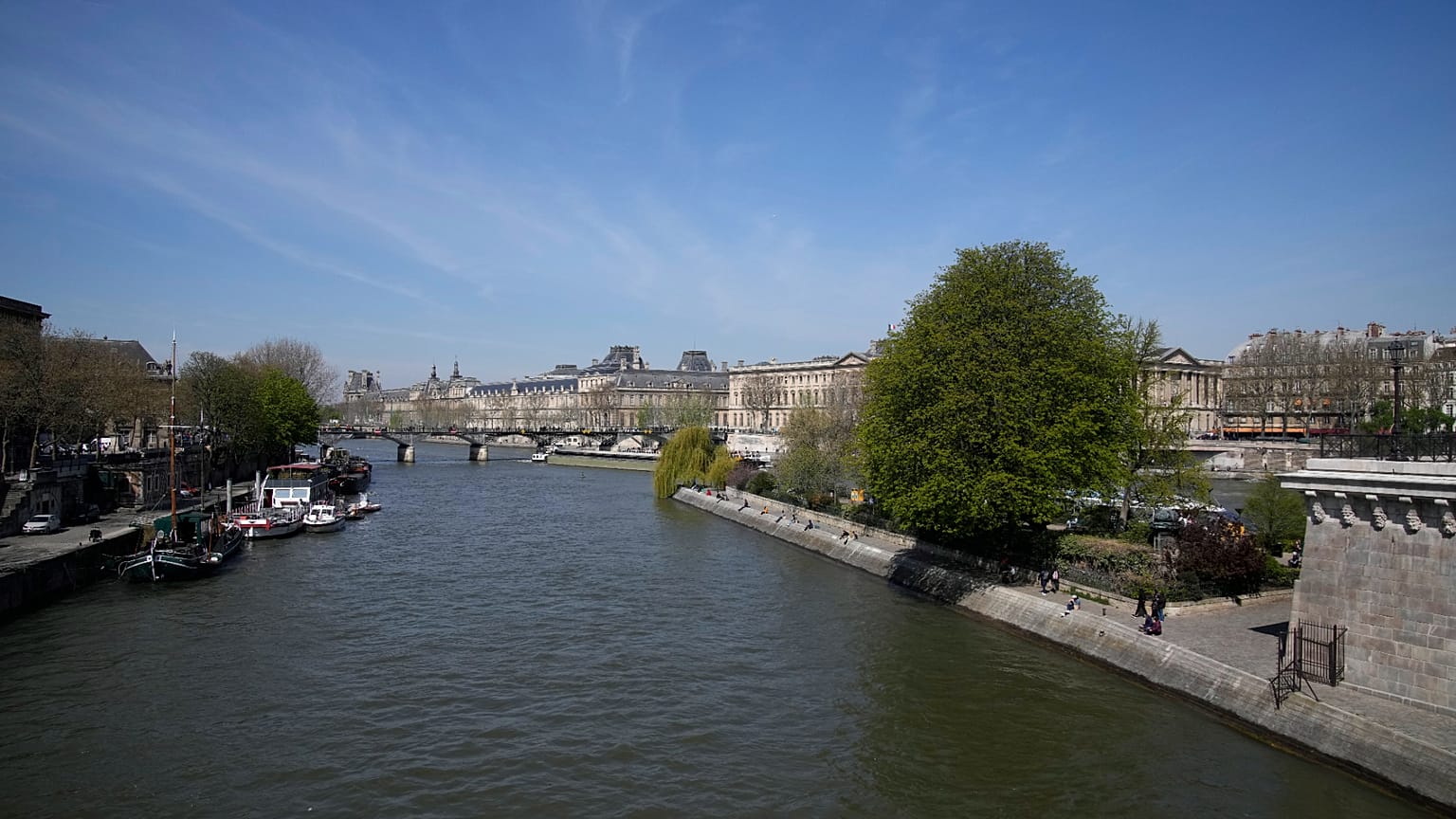
You can swim in the Spree River in Berlin, in the Parisian Seine, or in the Dutch Maas River because they qualify as safe bathing waters.
 ADVERTISEMENT
ADVERTISEMENT
ADVERTISEMENT
EU water legislation determines whether bathing water quality is classified as excellent, good, sufficient, or poor based on the level of faecal bacteria and pollutants.
The latest EU Bathing Water Report by the European Environment Agency (2026) found that only 1.5 per cent of Europe’s water sites were in poor condition in 2025. 88 per cent of coastal waters were rated excellent compared with 78 per cent of lakes and rivers. Austria, Bulgaria, Cyprus, and Greece had the highest quality bathing waters, with over 95 per cent classified as excellent.
The Bathing Water Directive protects citizens from health risks by monitoring faecal bacteria, such as Escherichia coli and intestinal enterococci, in Europe's bathing sites.
It requires member states to monitor, assess, and report on bathing water quality, using at least four samples per bathing site each season to test for bacteria. National governments must also actively inform citizens about bathing water quality and potential threats.
The directive is part of a wider EU framework of water legislation that protects water resources more generally, including the Water Framework Directive, the Groundwater Directive and the Environmental Quality Standard Directive.
Do you want to know more about how the EU keeps its bathing waters clean? Ask the Euronews AI chatbot!