































Previously, the then-Conservative government declined to apologise, arguing that the state had not supported these practices. Starmer has now acknowledged the government's role in forced adoptions.
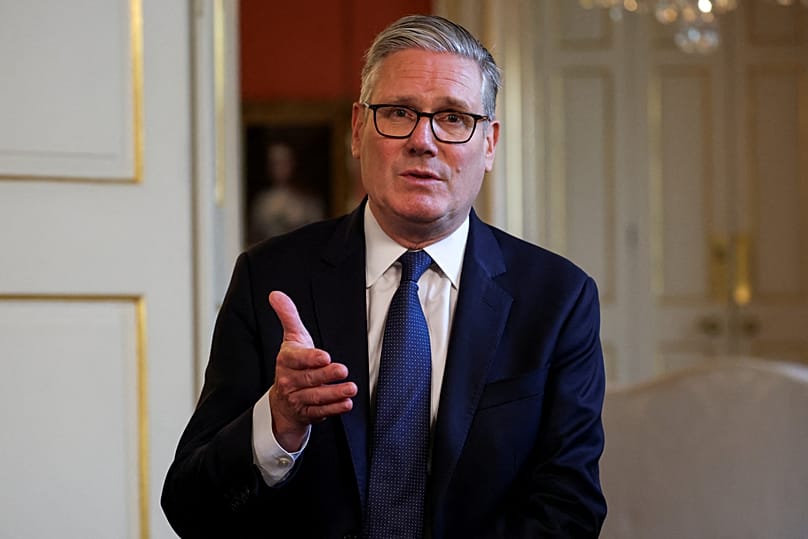
UK Prime Minister Keir Starmer apologised for the state's role in decades of forced adoption of babies of tens of thousands of unwed mothers, calling it a "stain" on the country's history.
 ADVERTISEMENT
ADVERTISEMENT
ADVERTISEMENT
Between 1949 and 1976, roughly 185,000 babies born to unwed mothers were adopted by married couples in England and Wales.
Campaigners testified that they were pressured, misled, coerced or bullied into giving up their babies. Unmarried mothers were additionally shamed and forced to hide away in institutions while pregnant.
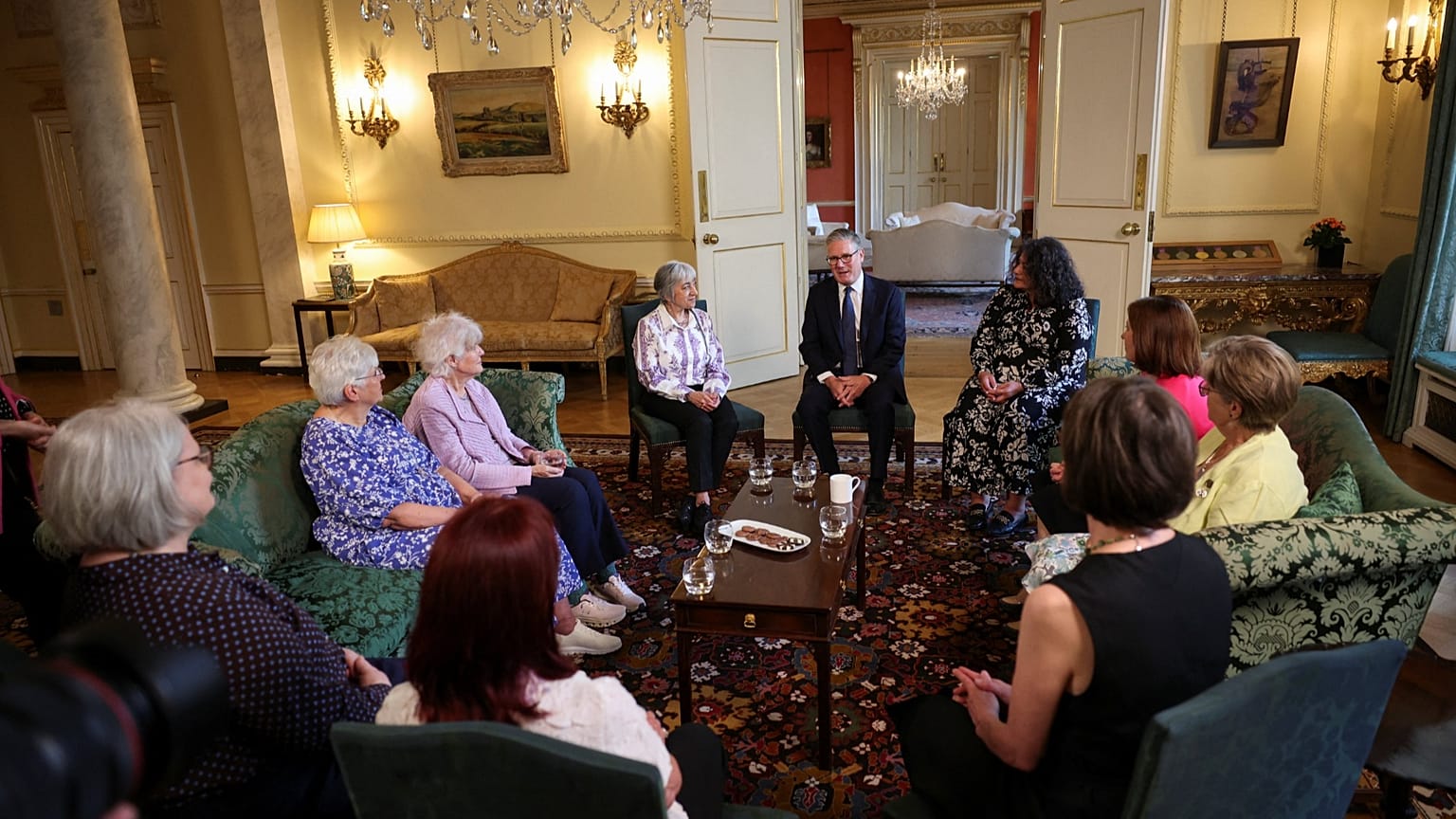
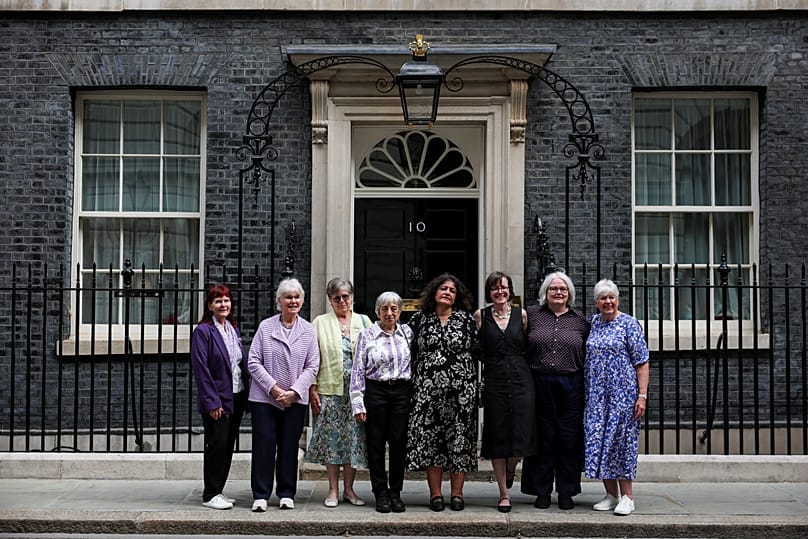
Starmer met some of the campaigners on Thursday, some of whom were present in the public gallery of the House of Commons where the UK leader delivered the apology.
"Children grew up believing that they were unwanted. Young mothers were told that they were immoral, and that their babies would be better off without them," he said during the government's formal apology in Parliament, acknowledging that the impact of such acts "lasts a lifetime".
In 2022, the Parliament’s Joint Committee on Human Rights urged the British government to apologise for “the pain and suffering caused by public institutions and state employees that railroaded mothers into unwanted adoptions".
The following year, the semiautonomous governments in Scotland and Wales issued apologies, but the conservative UK government refused to do so, arguing that “the state did not actively support these practices".
'The shame is ours'
Starmer, on the other hand, did hold societal institutions accountable for the role they played in the forced adoptions.
"These were not isolated or accidental acts, they were practices embedded within systems across local authorities, across voluntary and faith-based institutions, and in health and social care services," he said.
“The state bears responsibility for the systems it funded and legitimised which enabled these practices to occur,” he added.
Campaigners have fought for years to receive an apology, what many describe as a necessary step to being released from the shame they received for giving up their babies.
"The shame is not yours, the shame was never yours. The shame is ours," Starmer concluded.
In addition to the apology, Starmer also announced support for affected mothers and children, including better access to adoption records and mental health support.