






























The proposed detection regime for child sexual abuse material was rejected by the European Parliament in March, and reviving it could derail talks on a longer-term law.
European governments are trying to resuscitate a temporary regime allowing messaging services to scan for child sexual abuse material, but the move risks complicating efforts to adopt a long-term legal framework.
 ADVERTISEMENT
ADVERTISEMENT
ADVERTISEMENT
EU ambassadors agreed on Friday to move ahead with a temporary extension of the legal framework that allows platforms such as WhatsApp and Messenger to take measures to identify users suspected of sharing child sexual abuse material (CSAM).
The move, proposed by the Cypriot presidency of the Council of the EU, would be unprecedented, as the European Parliament already voted against extending the temporary regime in March.
MEPs warn that if the Council pushes ahead with the temporary instrument despite parliament's clear rejection, it would complicate the ongoing negotiations to develop a an anti-CSAM framework.
"As European Parliament we were always in favour of targeted detection," MEP Birgit Sippel (Germany/S&D) told Euronews. "With all the progress made so far on the long-term legal framework, reopening the discussion about a possible prolongation of the interim derogation would hamper those negotiations."
The interim measure was designed to derogate from certain EU rules on the privacy of electronic communications until a long-term CSAM regulation was in place.
The long-term legislation, dubbed "chat control" by critics, has proved contentious among EU countries and lawmakers because of its implications for privacy, particularly its effect on end-to-end encrypted communications.
In a note circulated earlier this week and seen by Euronews, the Cypriot presidency invited member states to "carefully consider adopting a first reading position by the Council, even if this would be without precedent in the present circumstances where the European Parliament has rejected the Commission's proposal".
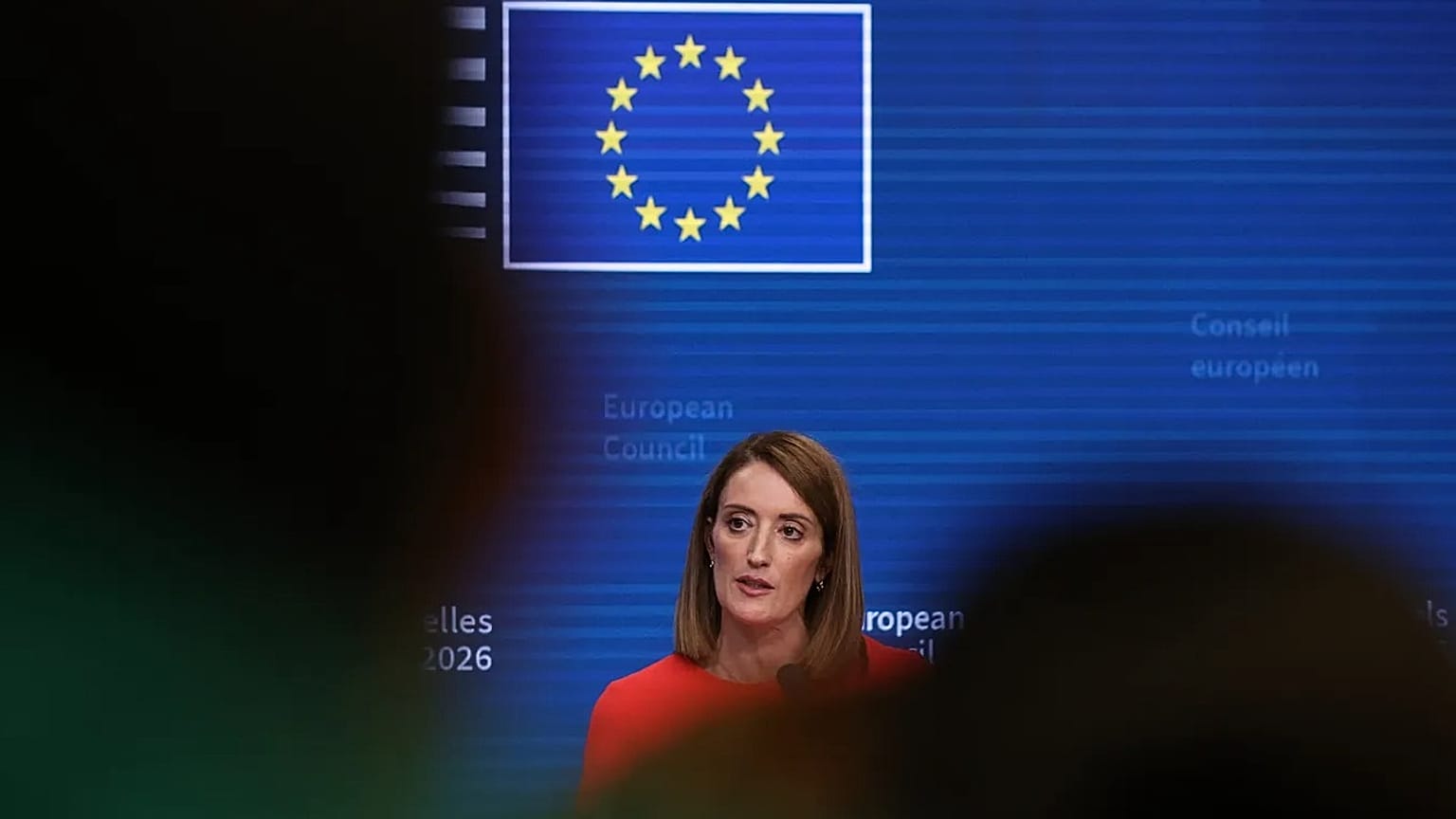
The move was prompted, ironically, by the President of the European Parliament, Roberta Metsola. Despite the lack of consensus within her own institution, she called on EU leaders gathered for the European Council on 18 June to push forward with the interim file.
It is not clear whether Metsola coordinated the move with the rest of her political group, the centre-right European People's Party (EPP), the largest in the chamber. The office of MEP Javier Zarzalejos, who is following the file for the EPP, declined Euronews' request for comment.
"This was raised and asked for by Groups in the Conference of Presidents meeting preparing the European Council," Metsola's office told Euronews.
Progressive lawmakers, by contrast, see the move as a brutal attempt by both the EPP and the Council to override the will of the parliamentary majority.
"Trying to reopen the negotiations with questionable procedural tricks won't make it more successful and undermines the (Parliament's) position," MEP Markéta Gregorová (Czechia/Greens/EFA) told Euronews.
The next interinstitutional negotiation session on the CSAM regulation will take place on Monday. While EU policymakers remain far from an agreement on the delicate file, any attempt to revive the interim derogation is seen as a potential distraction.
"Work is ongoing on adopting measures that are legal, targeted and proportionate at the moment on the permanent regulation, we must focus on those," Gregorová added.
This article was updated with a comment from President Roberta Metsola's office.