



























"The era of the Crusades is over," the Bulgarian prime minister said on Thursday as he confirmed his opposition to the proposal.
The European Union will once again face an uphill struggle to impose sanctions on Patriarch Kirill, the head of Russia's Orthodox Church.
 ADVERTISEMENT
ADVERTISEMENT
ADVERTISEMENT
After Hungary lifted its long-standing veto, Bulgaria has emerged as the new obstacle in the decision, which requires unanimity.
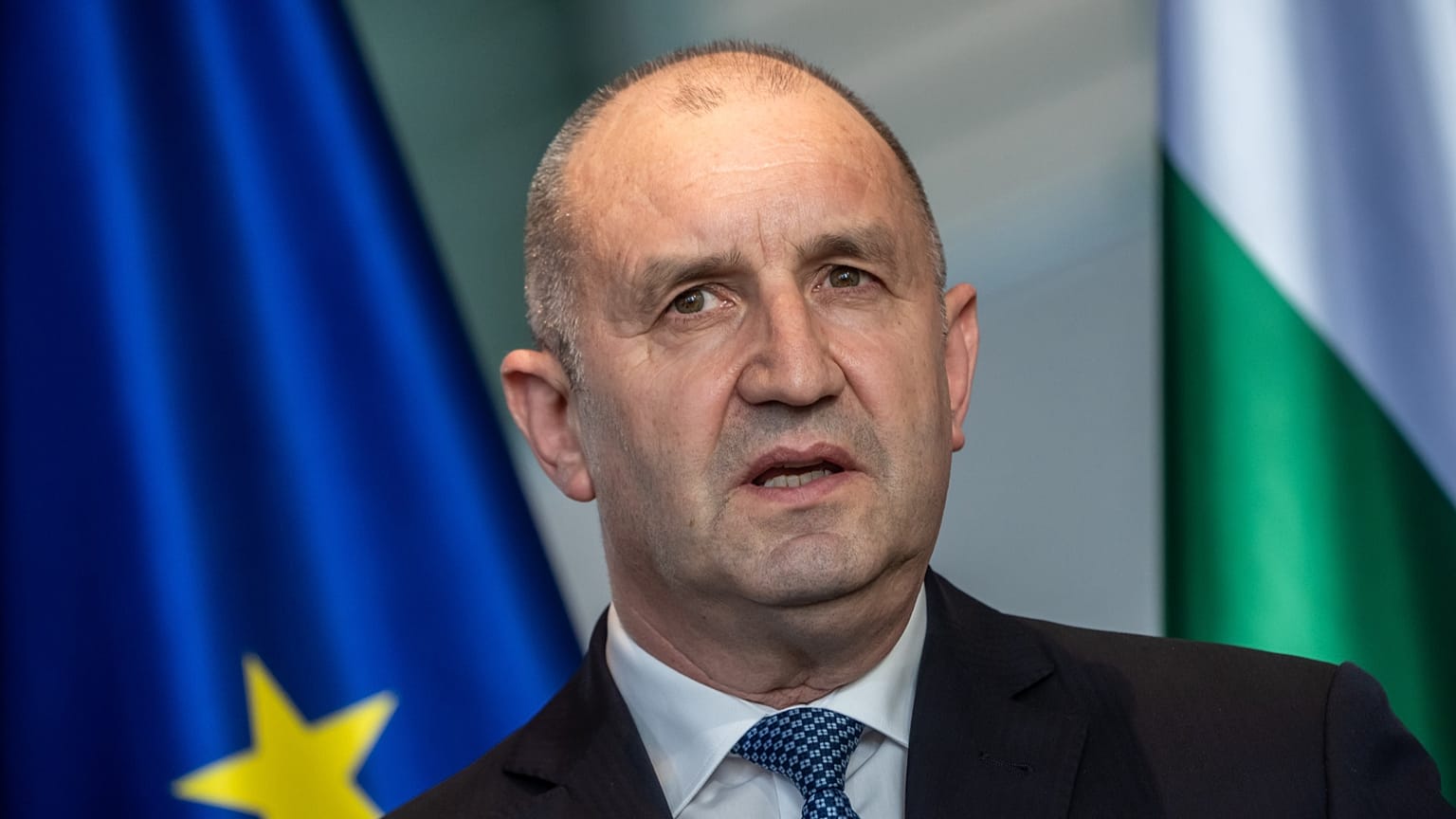
The opposition was confirmed on Thursday by the country's new prime minister, Rumen Radev, before he flew to Brussels to attend his first-ever EU summit.
"What message are we sending when we extend sanctions and war into the sphere of religion? Do we realise where this leads?" Radev told reporters in Sofia.
"The era of the Crusades is over. I am not interested in the Russian Patriarch as an individual. I am interested in the fact that he is the head of the Russian Orthodox Church, which is Eastern Orthodox, just like our church. I am concerned about the millions of people who belong to that church."
The Bulgarian Orthodox Church and the Russian Orthodox Church are administratively independent, with different patriarchs, but both belong to the Eastern Orthodox Church, share the same faith and dogma, and are bound by cultural and historical ties.
The Eastern Orthodox Church is the primary confession in many Eastern European countries, including Russia, Bulgaria and Ukraine.
On Wednesday, Bulgarian Foreign Minister Velislava Petrova-Chamova voiced opposition to sanctioning Patriarch Kirill, arguing the proposal would be purely "symbolic" – even though the restrictions would introduce a travel ban and freeze EU-held assets.
The sanctions, she said, "have no economic effect but rather have the potential to be counterproductive, because they create an environment in which anti-European propaganda can be carried out, specifically along the lines that Europe is interfering in church affairs. Therefore, we do not consider this to be productive."
Kirill, a highly controversial figure with both religious and political influence, has been accused of spreading revisionist propaganda to justify the war in Ukraine.
Under his leadership, the Russian Orthodox Church approved a document that called for the annihilation of Ukrainian independence and described the invasion as a "Holy War".
The EU first tried to blacklist Kirill in 2022. But Hungary, under then-prime minister Viktor Orbán, blocked the move, calling it an issue of religious freedom.
The veto made headlines and caused outrage among other countries.
The matter lay dormant until last month, when the new Hungarian government of Péter Magyar voiced readiness to go ahead with the move, as Euronews reported.
EU officials seized on the U-turn and added Kirill's name to the latest list of individuals to be sanctioned.