




























Prime Minister Andrej Babiš's coalition has approved a bill replacing the traditional funding model with direct state financing, triggering strikes and protests.
The Czech cabinet has signed off on legislation that would end licence fee funding for the country's public broadcasters, replacing it with direct state budget financing — a shift that journalists, media freedom groups and tens of thousands of citizens say puts editorial independence at risk.
 ADVERTISEMENT
ADVERTISEMENT
ADVERTISEMENT
The bill, approved on Monday, affects Czech TV and Czech Radio, which would instead receive fixed annual sums broadly in line with the licence fee revenues they collected between 2008 and 2024 — before a previous centre-right administration increased them last year.
Culture Minister Oto Klempir, from the Motorists party, framed the overhaul as a modernisation in line with broader European practice. "We are thus joining most EU countries which have already dropped this outdated financing method," he said at a press conference alongside Prime Minister Andrej Babiš.
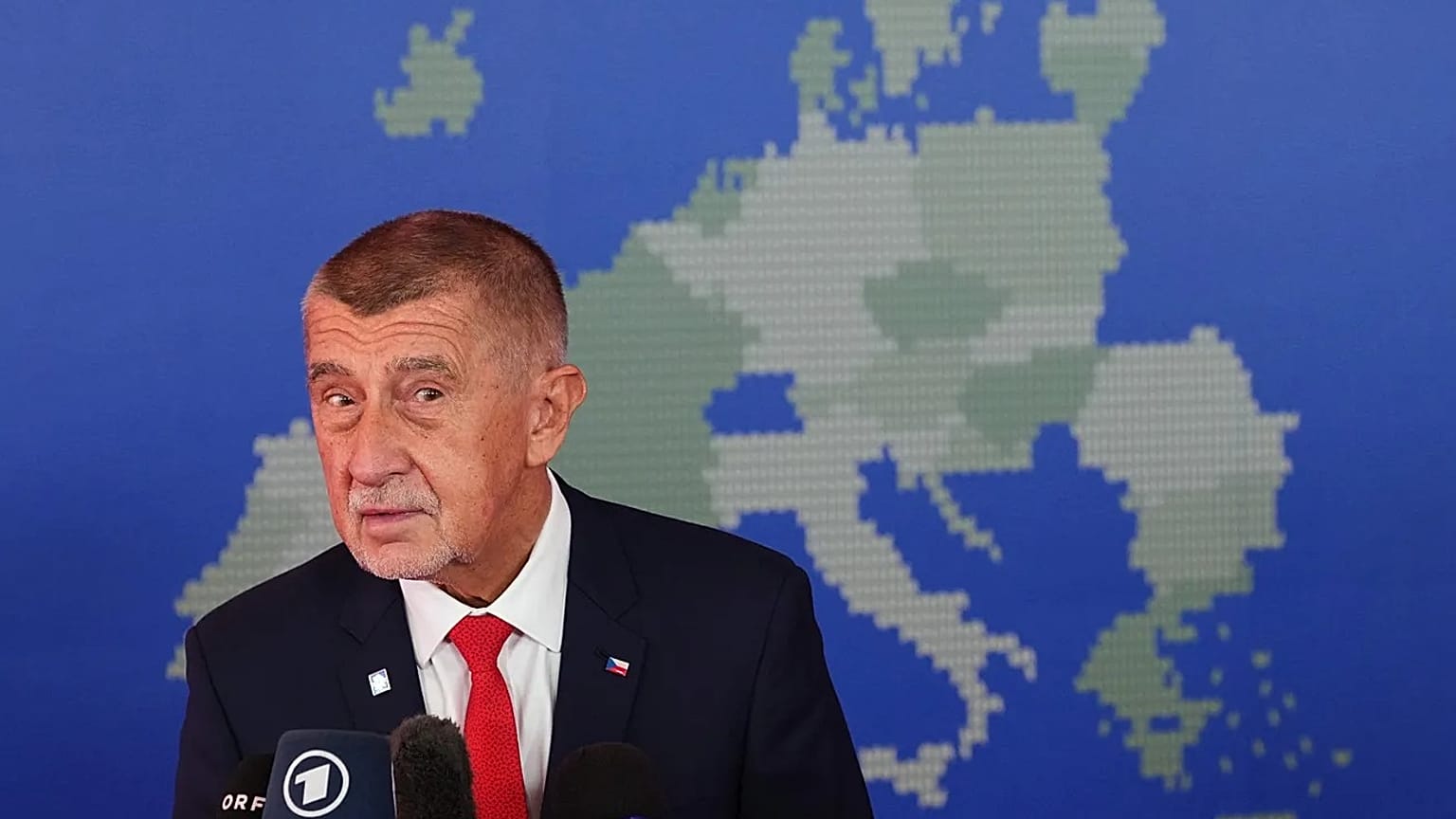
Babiš, the billionaire leader of the ANO party whose coalition also includes the SPD, defended the change by pointing to what he described as a lack of oversight at the two broadcasters. "The two media outlets are not making any cost savings and nobody controls them. And the main thing is we had this in our policy statement," he said.
Staff at both Czech TV and Czech Radio have announced a 24-hour strike in protest. Workers fear the new model — which would make the broadcasters financially dependent on annual state allocations — leaves them exposed to political pressure from the ruling coalition.
The bill has been building public anger since it was first announced. It was among the central grievances at a mass anti-government demonstration in Prague in March, which drew more than 200,000 people onto the streets.
Reporters Without Borders (RSF) has been particularly outspoken in its condemnation, describing the legislation as "absurd" and the accompanying funding reduction as "drastic". The press freedom watchdog warned that the reform "creates a political precedent for further disproportionate interference in the functioning of Czech public media."
RSF was blunt about the broader implications. "At the end of this surreal journey we have a weakened independence of public broadcasting, and that's a dead-end street for democracy," it said, also calling on the European Commission to "do all that is in its powers" to help preserve the existing financing model.
The legislation still faces a significant parliamentary journey before it can take effect. Having cleared the cabinet, it must pass through both chambers of the Czech parliament and be signed by the president before its planned implementation date of 1 January 2027.