






























Electrifying the European Union's transport and industry sectors largely depends on upgraded power grids and storage capacity.
European Union leaders are increasingly championing electrification as the answer to some of the bloc's biggest challenges: high energy prices, industrial competitiveness and the transition away from fossil fuels. But achieving that goal will require massive investment in ageing power grids and energy storage systems, which many policymakers warn are not yet fit for purpose.
 ADVERTISEMENT
ADVERTISEMENT
ADVERTISEMENT
The urgency has only intensified following the US-led conflict with Iran, which sent energy prices soaring and exposed Europe's continued vulnerability to external shocks. The spike comes as the bloc is still grappling with the fallout from Russia's invasion of Ukraine, which triggered an energy crisis from which many European economies have yet to fully recover.
Even before tensions escalated in the Middle East, European industries had been urging Brussels to take stronger action on soaring electricity prices, which remain roughly twice as high as in the United States and China.
Business groups have warned that persistently high energy costs are undermining competitiveness, curbing investment and, in some cases, threatening factory closures.
While electrification is often presented as part of the EU's competitiveness agenda, it also sits at the heart of the bloc's climate strategy. Replacing fossil fuels with electricity can cut emissions, improve energy efficiency, reduce dependence on imported energy and help integrate growing volumes of renewable power into the economy.
What is electrification?
Electrification is the replacement of technologies that burn fossil fuels like coal, oil and natural gas, with technologies powered by electricity.
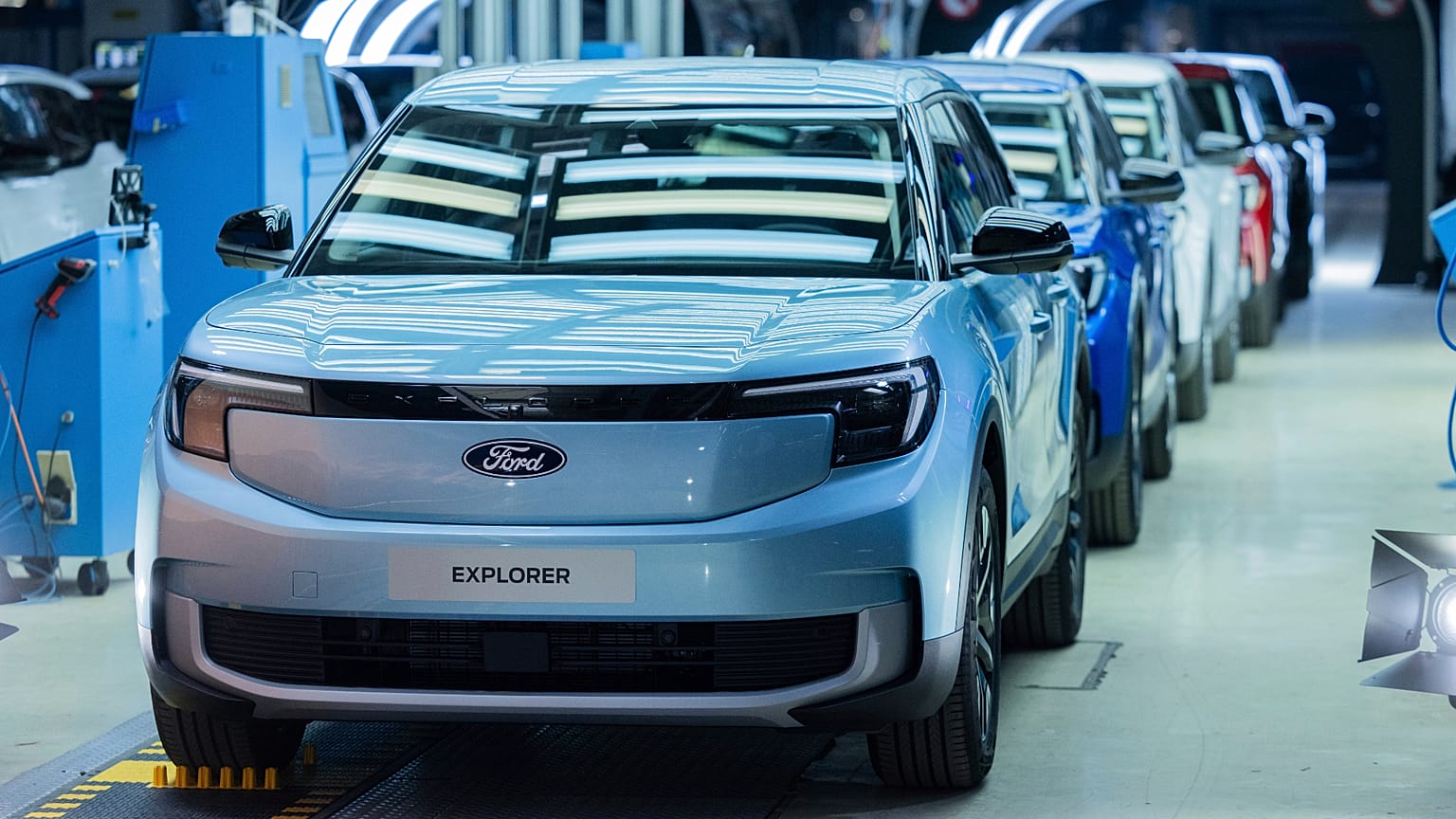
When EU leaders refer to electrification, they often mean an economy and society powered by renewable power-based electricity. That means electric cars taking over diesel and petrol vehicles, households replacing fossil boilers with heat pumps for heating and cooling, and smart devices designed to increase energy efficiency.
The EU is also eyeing the decarbonisation of energy-intensive industries, like cement, steel or chemicals, which are typically harder to go green and account for about 20% to 27% of greenhouse gas emissions.
How can electrification support the green transition?
EU leaders are pushing for increased electrification because it can meet energy demand in transport, buildings and industry with increasingly low-carbon electricity rather than fossil fuels, thereby substantially cutting carbon dioxide emissions.
A shift from fossil fuels back to electricity could also help the EU reduce its dependence on imported fossil fuels, which accounted for roughly 60% of the bloc's total imports last year.
As the EU expands renewable energy sources such as wind and solar power, using electricity becomes cleaner over time. When paired with clean electricity generation and modernised energy infrastructure, electrification is one of the most effective pathways for achieving the EU’s climate and energy goals.
What are the main challenges to electrifying the EU's society and economy?
The EU excels at producing clean power, but it's confronted with an obsolete power grid that blocks much of the renewables from going where they are needed.
Upgrading Europe’s power grid infrastructure is seen as a crucial and challenging step that will help to optimise the flow of renewable electricity while reducing congestion and limiting curtailment.
Despite the technical hurdles, financing new works in the bloc's power grids will require a mammoth €1.2 trillion by 2040, according to the European Commission. Efforts will also be needed to improve energy storage to avoid losing energy surplus and optimise clean power generation.
The heated political debate over the future of the bloc's electric grids has also raised questions about how long it will take for the EU co-legislators to agree on a revised framework to revamp grid infrastructure.
What is the EU doing to boost electrification?
The European Commission announced in December the 'Grids Package' with two legislative proposals meant to speed up revamping the bloc's ageing infrastructure.
The first seeks to speed up permits for new projects, often described as the major bottleneck. The second proposed law seeks to centralise the EU's electricity market system and using electricity network charges to fund investments in the grid.
An electrification plan is slated for 22 July, after two delays, with expected targets for member states and industry.
The EU executive has also endorsed nuclear energy as a low-carbon source viable for powering the bloc's electricity market.
In addition, the Commission wants to electrify ports, with onshore power supply for ships, electrified port operations, charging infrastructure for heavy transport and the electrification of nearby industrial sites.