





























European drivers face soaring fuel prices as the Iran war hits oil markets, prompting EU states to cut fuel taxes, cap prices and tighten regulation.
The Iran war may seem far away, but its oil is not. For European drivers, the pain at the pump is real, with some countries seeing price spikes of over 30%. So how are EU governments stepping in to help? Let's look at the different strategies together.
 ADVERTISEMENT
ADVERTISEMENT
ADVERTISEMENT
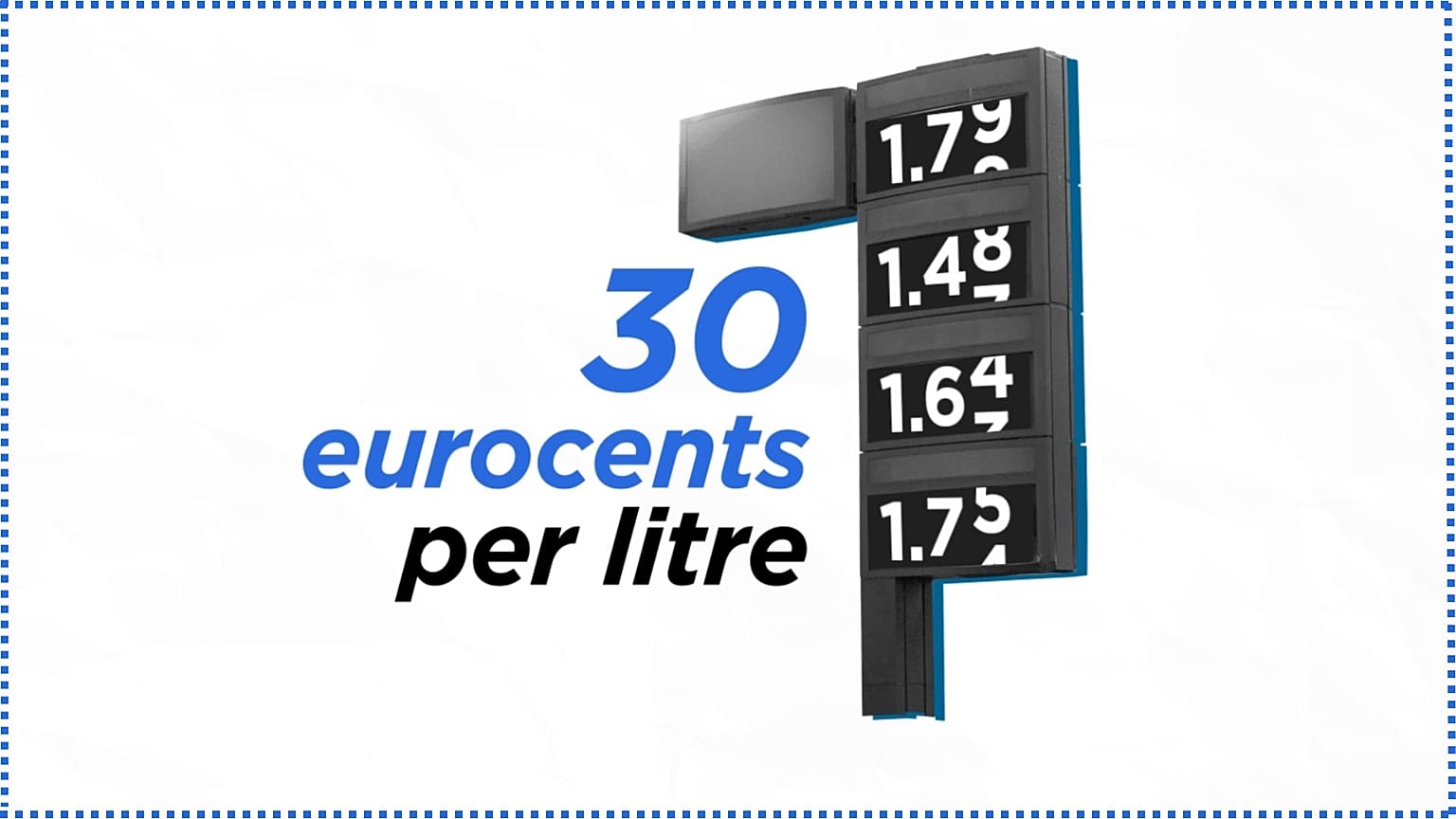
Spain went big, rolling out a €5 billion package and slashing VAT on motor fuels from 21% down to 10%. Madrid claims this will reduce petrol prices by around 30 eurocents per litre.
Poland followed, with fuel VAT dropping from 23% to just 8%, saving drivers roughly 30 eurocents. Crucially, Warsaw is also introducing price controls.
Hungary opted for strict price controls, capping fuel prices. But there is a catch: it only applies to vehicles with Hungarian number plates, aimed at stopping cross-border fuel tourism.
Germany and Austria are taking a regulatory route. Berlin is pushing a rule that allows petrol stations to raise prices only once a day at noon, while Vienna limits price hikes to three times a week.
And in France, the state has avoided massive tax cuts, relying instead on corporate giants like TotalEnergies to voluntarily cap prices.
So who would actually benefit?
Well, European citizens could, provided oil companies do not simply absorb the tax differences. Italy, for instance, is already threatening to impose sanctions on companies trying to inflate their margins.
For European politicians, spending public money is an expensive move. But there is almost no public appetite to join the US and Israel in active conflict.
And your reporter saw this pushback at the recent G7 summit. Despite Washington's pressure to secure the Strait of Hormuz immediately, Europe offered a firm reality check: they will help protect the critical waterway, but only after the war in Iran ends.
Until then, perhaps consider using a bike, like Mark Rutte?
Watch the Euronews video in the player above for the full story.