

















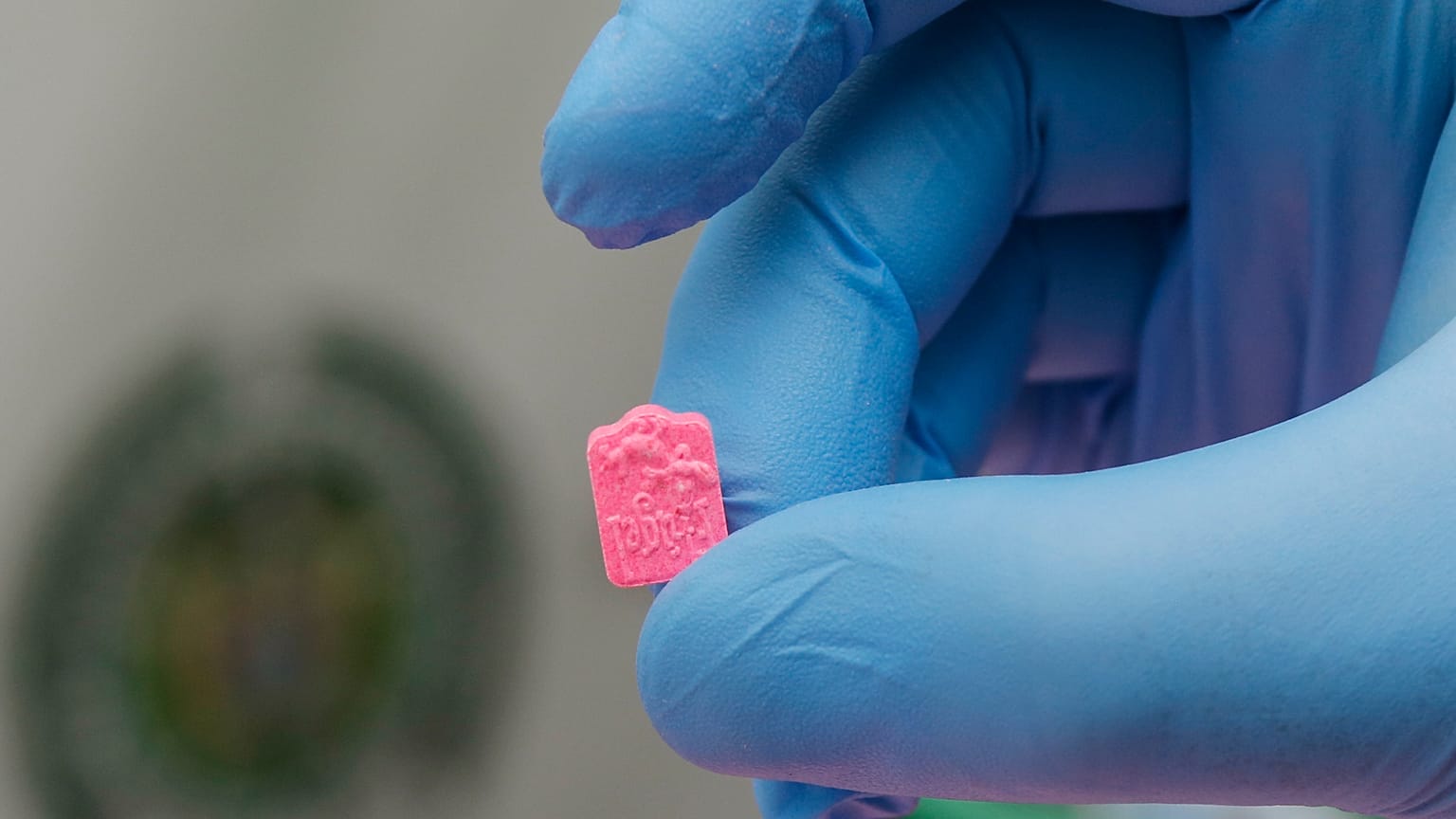














A new study has monitored illicit drug use through wastewater analysis in 115 European cities from 25 countries. From 2024 to 2025, MDMA's residues in wastewaters decreased by 16%, while those of ketamine increased by 41%.
Consumption of MDMA, also known as ecstasy, is dropping in Europe, while that of ketamine and cocaine is on the rise.
 ADVERTISEMENT
ADVERTISEMENT
ADVERTISEMENT
In 2025, residues of MDMA detected in European wastewaters decreased by almost 16% compared to the previous year, according to a project conducted in association with the European Union Drugs Agency (EUDA) which analysed wastewater samplings in 115 European cities.
"I would say that the sharp drop in MDMA is the biggest surprise we have this year in Europe," João Matias, scientific analyst on drug use at the European Union Drugs Agency, tells Euronews.
One of the reasons might come from a decrease in MDMA use amongst the younger generation.
"From 15 to 24, we see that the user preferences are going towards different substances like ketamine, but also synthetic cathinones, so this might be one of the explanations for the drop we are seeing," Matias says.
This drop had not been observed during the Covid-19 pandemic, even though nightlife and recreational settings were closed, he added.
Cocaine and ketamine surge
By contrast, from 2024 to 2025, the load of cocaine metabolite detected in European wastewaters increased by 22%.
"Regarding cocaine use, we know and we are seeing this steady increase already for the last three or four years. It also mimics an increase in the availability of cocaine in the European market, but also a bit worldwide. So we are not so surprised," Matias explained.
Over the same period, the detection of ketamine in wastewaters climbed by 41%, partly due to an increased availability on the illicit market and of rising popularity among young people.
"For those that are younger and decide to use drugs, we see that ketamin is one of the drugs of their choice, mostly because of the effects," Matias says.
Geographic disparity
The study highlights different drug consumption habits across Europe.
The highest loads of MDMA were found in cities located in Belgium, Spain and the Netherlands, while the highest levels of ketamine in wastewaters were monitored in Belgium, Germany and the Netherlands.
Cannabis remains Europe’s most commonly used illicit drug, with an estimated 24 million users last year. Around 8.4% of European adults report they have used cannabis in the last year, according to national surveys. It was more detected in the Dutch, German and Slovenian wastewaters and its levels remained stable compared to the previous year.
Amphetamine was more common in northern Europe while methamphetamine is more consumed in the Czech Republic and Slovakia.
The traditionally concentrated use of methamphetamine in these two countries is "linked to domestic production of that substance in that region," the scientific analyst on drug use explained.
Wastewater data show that cocaine use remains higher in western and southern Europe, such as in Belgium, the Netherlands and Spain.
Although these countries are ports of entry for cocaine in Europe, João Matias says he wouldn't make a direct causal relationship between the cocaine entry and the levels of use.
Differences were also observed between cities within the same country, and can partially be explained by the presence of universities, nightlife areas and population age structure.
Interestingly, wastewater analysis monitored higher levels of cocaine and MDMA during the weekend, while loads of cannabis, amphetamine and methamphetamine were more regular throughout the week.