




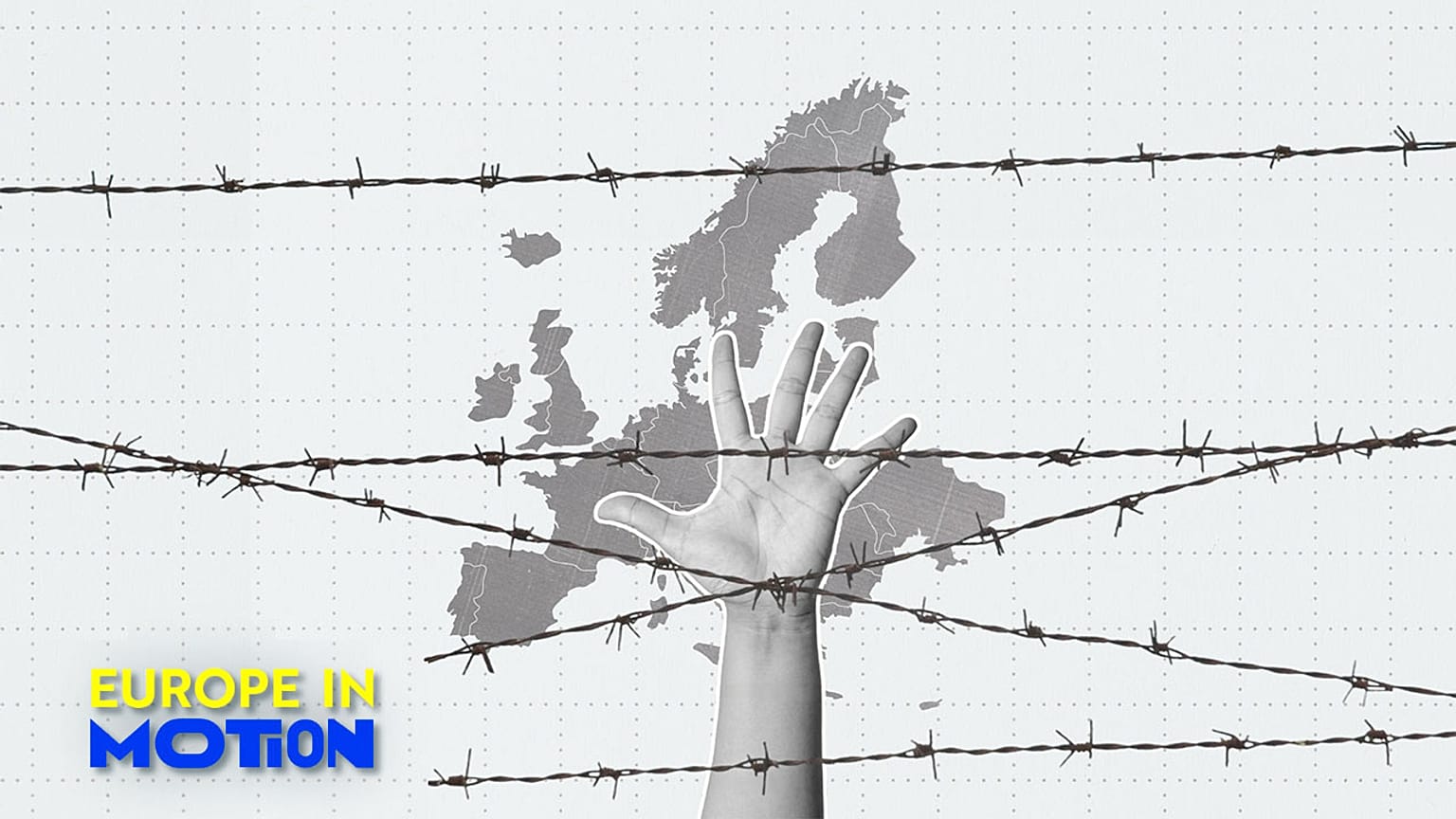














More than 39,000 human trafficking cases were recorded in Europe in 20 years. War and displacement, especially in Ukraine, are fuelling the crisis, as victims face forced labour and sexual exploitation.
There have been more than 39,000 cases of human trafficking recorded in Europe in the past two decades, according to the latest data from the International Organization for Migration (IOM).
 ADVERTISEMENT
ADVERTISEMENT
ADVERTISEMENT
Between 2002 and 2022, 85% of victims were adults, especially between the ages of 30 and 38, while 15% were children.
Globally, the number of victims of trafficking increased to more than 125,000 adults and 30,000 children.
IOM experts believe the true number is much higher due to underreporting and gaps in detection.
In Europe, the victims were mainly from nine different countries, with more than 19,000 victims from Ukraine, followed by Moldova (10,464) and Belarus (4,286).
"War always creates fertile ground for crimes against humanity to expand," wrote anti-trafficking and child protection expert Julia Sachenko on a LinkedIn post following a Council of Europe meeting.
"Recent findings indicate that at least 13 individuals have experienced trafficking in countries neighbouring Ukraine during the last four years of the war time."
Women made up more than three-fifths of all victims, roughly twice the number of men. There were also 27 transgender victims identified.
Trafficking victims from Europe were identified in 69 different countries, with the highest shares registered in Ukraine (8,413) and Moldova (5,866).
Almost half of the victims were trafficked for a year or less, while 35% were trafficked between one and two years.
Half of these victims were subjected to forced labour, especially in construction (52%) and agriculture (29%).
Meanwhile, 48% were subjected to sexual exploitation, with the majority being forced into prostitution. Victims were also forced to produce pornography.
Traffickers used psychological, physical and sexual abuse as primary tactics to control victims.
Restricting a victim's access to money, limiting their freedom of movement, and denying necessary medical care are also common tactics used to maintain control.
Only 10% of perpetrators were friends with their victims, with the vast majority not close to them.
Among the highest perpetrator shares were seen in labour brokers, contractors, formal employers, and smugglers, according to IOM data.
Intimate partners made up 1%, while family represented 2%.