

















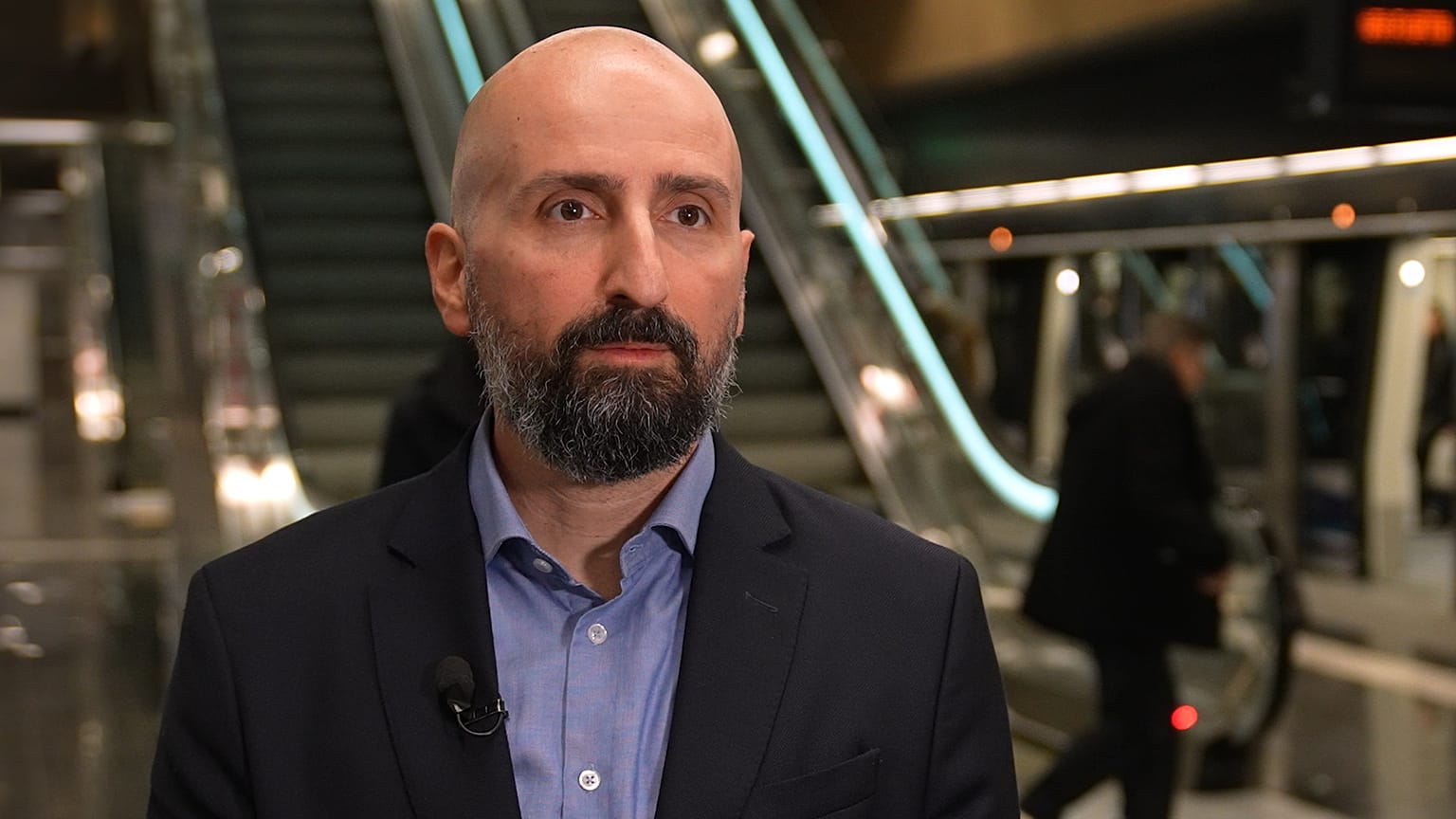














Greece's second city finally has its metro. Georgios Zygogiannis, Director of Operation and Maintenance, describes how the project opened "a whole new book" for Thessaloniki — preserving ancient history while reducing traffic and transforming urban life.
After almost 20 years of construction, Thessaloniki's metro is finally up and running. It's a fully autonomous system, similar to those operating in Copenhagen or Milan — but what makes it truly unique are the immense challenges that were overcome during its construction. Most notably, builders had to carefully navigate the rich archaeological heritage buried beneath the city's soil.
 ADVERTISEMENT
ADVERTISEMENT
ADVERTISEMENT
Georgios Zygogiannis, Director of Operation and Maintenance at Thessaloniki Metro, describes the project as opening "a whole new book for the history of the city.” For him, its significance goes far beyond transportation: "This project has tremendous added value. It brings convenience to the public and environmental benefits, but also a shift in the mindset of the people of this city."
Before the metro arrived, Thessaloniki was paralysed by a structural bottleneck — a high-density urban corridor that created chronic traffic congestion and some of the worst air pollution in Europe. Now, with 13 stations operating across the city centre and a new extension to Kalamaria on the way, the impact has been substantial. "We serve an average of 100,000 passengers per day," Zygogiannis says. "And we can already declare an almost 15% reduction in traffic downtown."
Getting here took much longer than anyone planned. Financial hurdles and archaeological complexities pushed timelines back again and again. More than 300,000 artefacts were discovered along the way, making this the largest excavation in Northern Greece. Today, many of these treasures are on display at Agias Sofias and Venizelou stations, transforming daily commutes into a journey through time.
Standing in Venizelou station, Zygogiannis reflects on what they've achieved: "We're very happy that we managed to preserve the antiquities found along the way. This is probably the only archaeological site in the world that's underground and integrated with a metro station. It's an open conversation between the city's history and its present and future."