

















The warnings from Hungary's MOL Group come amid heightened tensions between Budapest and the European Union. The dispute intensified after Hungary blocked the EU’s €90 billion financial package for Ukraine.
Hungary’s major energy company MOL could initiate legal proceedings against Janaf, the Croatian operator of the Adria pipeline, if it does not “immediately” guarantee access for unsanctioned Russian oil shipments by sea to Hungary, the company said in a press statement released on Thursday.
 ADVERTISEMENT
ADVERTISEMENT
ADVERTISEMENT
MOL argues that these oil shipments must be allowed because Janaf has been “long aware” that crude oil deliveries to Hungary and Slovakia via the Druzhba pipeline — the main supply route through Ukraine — have been suspended since January 27.
The company — which describes itself as a “leading integrated Central Eastern European oil and gas corporation” — also argues that Hungary and Slovakia were granted an exemption from the EU ban on imports of Russian fossil fuels due to their landlocked status and reliance on Moscow.
"MOL expects a straight response from the Croatian company," by today "at the latest," the statement said. "In case of refusal, MOL may turn to the European Commission and may initiate a claim for damages."
The company said on Wednesday it was waiting for the Croatian company’s position to decide whether to allow Russian crude oil shipments through the sea via the Adria pipeline.
The threats take place in a context of high tensions between Hungary and the EU. Those tensions escalated after Hungary blocked the EU's €90 billion financial package to Ukraine, accusing the war-torn country of "blackmail" over the Druzhba pipeline.
The situation has also highlighted Hungary’s energy vulnerability by disrupting a system heavily dependent on Russian oil, which has traditionally supplied about two-thirds of the country’s imports.
Croatian authorities have so far reacted cautiously.
The country's Economy Minister Ante Šušnjar said on Thursday the country "wouldn't act on anyone's pressure" but confirmed Zagreb will "respect international law".
"Nowhere in international law does it say that we have to do something about the delivery of Russian oil," Šušnjar said. "We have partnership relations, there are sanctions regimes of both the USA and the European Commission."
"We will consistently implement our partnership policies and will not agree to any blackmail or pressure from anyone", he added.
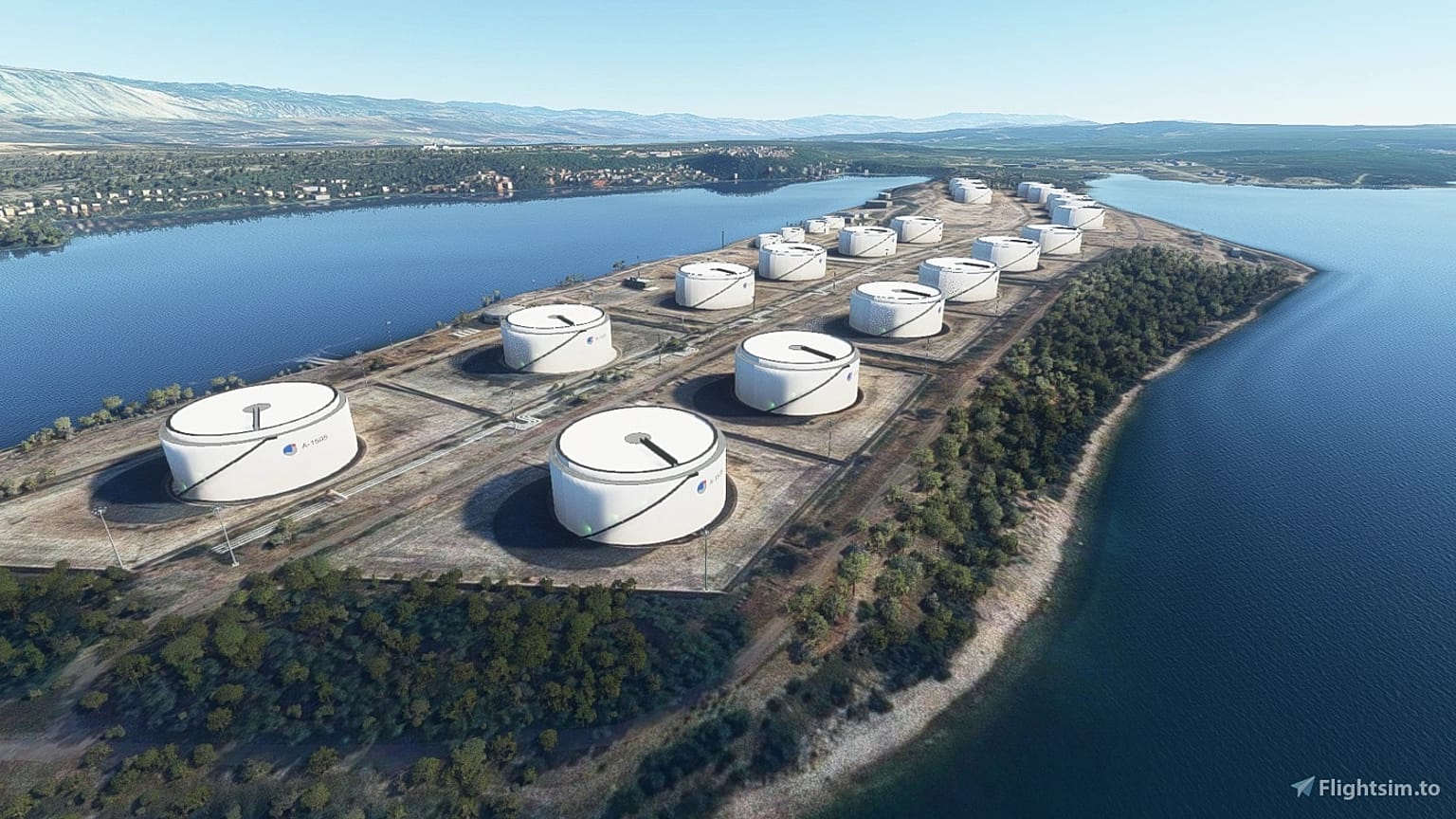
The European Commission considers the Adria pipeline, which originates in Croatia and runs through Hungary, Slovakia, and other central and eastern countries, to be one of the viable options for Hungary to secure its energy supply.
More expensive alternative
However, Hungary has challenged Brussels's assessment.
MOL said logistics and transporting oil through the Adria pipeline are significantly more expensive — several times the average cost per 100 km compared with deliveries via the Druzhba pipeline — suggesting potential concerns about abuse of a monopoly position.
In a video statement addressed to Ukrainian President Zelensky, published on Thursday, Orbán blamed Ukraine for the damage to the Druzhba pipeline and accused Ukraine of "endangering the secure and affordable energy supply of Hungarian families".
"We do not want to pay more for energy," Orbán said.
Hungary's MOL also claims that the Croatian pipeline operator has overinflated its annual capacity.
"(Croatia states) annual capacity of the pipeline has ranged between 11 and 15 million tonnes, while no more than 2 million tonnes of crude oil have ever been transported through the pipeline section," reads MOL's statement.
Croatian Minister Šušnjar described Janaf as a “safe and reliable partner” offering competitive prices due to shorter transport distances, particularly for Hungary and Slovakia. He also acknowledged that the broader price differences are driven by the significantly lower cost of Russian oil compared to EU supplies and called on Budapest and Bratislava to abandon Russian energy.
Capacity tests planned
Despite the threats, MOL and the Croatian pipeline operator Janaf agreed on Wednesday to begin long-term capacity tests on the Adria pipeline, with the Hungarian side saying it "could end the war of numbers" and resolve the dispute over the pipeline's actual capacity.
A MOL representative told Euronews that both countries had not yet agreed on a specific date to kick start the tests, but noted that there was interest from both parties in moving forward with a longstanding dispute over the pipeline's operational capacity.
Hungary's total annual oil needs amount to 5,75 million tonnes, of which 87% come from Russia, while Slovakia imports a total of 4,66 million tonnes, of which 86% come from Moscow, according to official figures.
The Hungarian MOL maintained that securing energy supply in Central and Eastern Europe region requires two fully operational and commercially competitive routes.
"The Adria pipeline needs to grow up to the task, but in the spirit of source diversification, it is also necessary to ensure that the Druzhba pipeline is operational," MOL added.