
















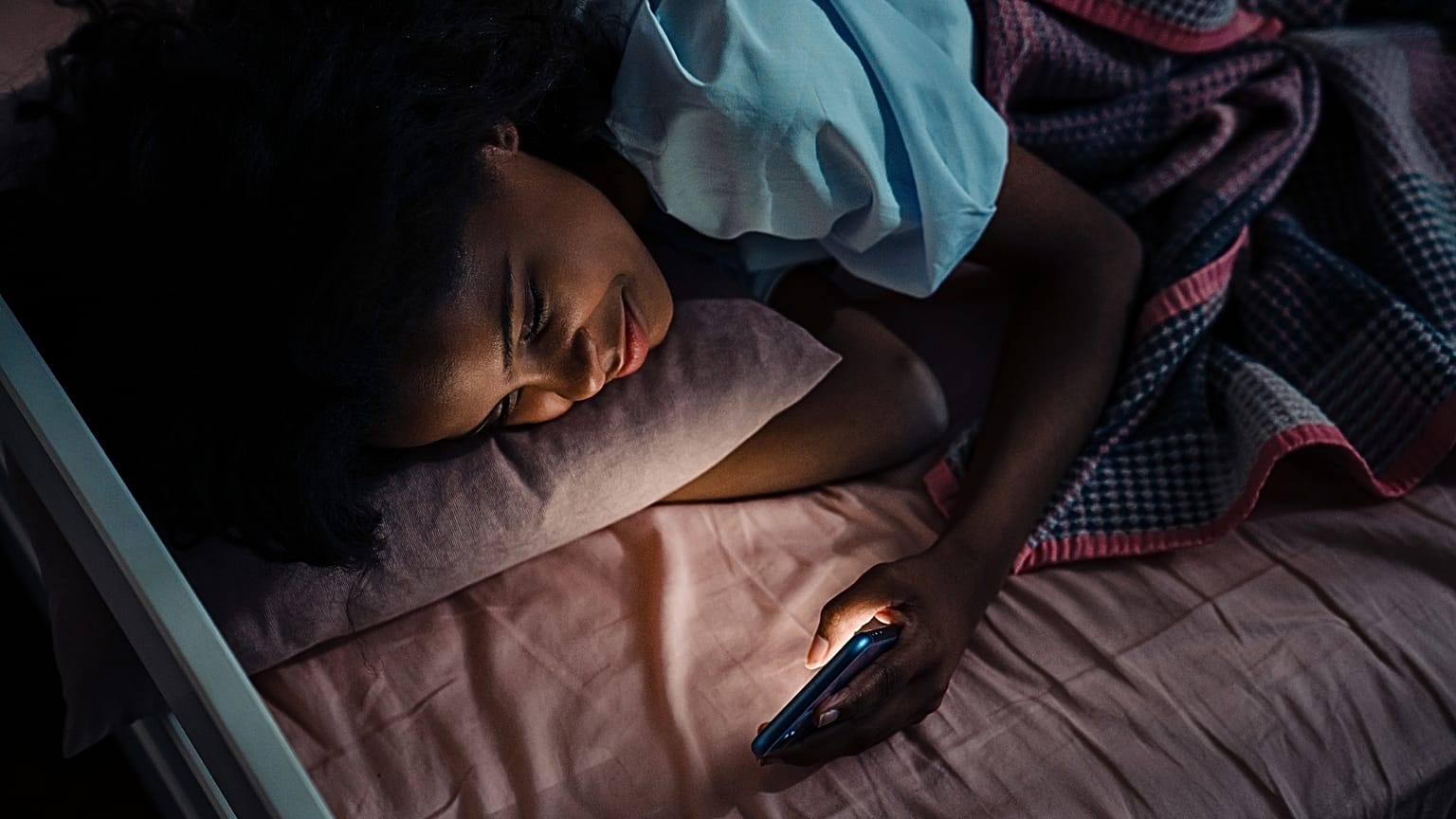













Teenagers with inconsistent sleep schedules on weekdays and weekends may be more likely to experience anxiety, according to a new study.
As school starts and routines return to "normal," many adolescents will struggle with early mornings after a summer of sleeping in and irregular holiday schedules. Throughout the school year, pupils count down to the weekend, hoping to recover the hours of sleep lost during the week — a pattern researchers call 'social jet lag'.
 ADVERTISEMENT
ADVERTISEMENT
ADVERTISEMENT
It is precisely the ‘social jet lag’ that might be negatively affecting young people’s mental health, a new study by the University of Southampton in the United Kingdom found. And with biological sleep changes occurring in adolescence, addressing youths’ sleep needs and even reconsidering school start times might be a way forward, researchers say.
The review included 12 studies, involving over 230,000 participants, and found that teens experiencing greater levels of ‘social jet lag’ are more likely to report higher levels of anxiety. It seems to be a vicious circle, as higher anxiety levels also predict greater ‘social jet lag ’, but the authors noted this is an association rather than a proven cause-and-effect relationship.
These findings highlight the importance of behavioural strategies that target healthy, regular sleep as a tool to improve mental health in adolescence, the authors wrote.
Anxiety is already the most common mental health problem among adolescents. The World Health Organization estimates that, globally, 4.4% of 10–14-year-olds and 5.5% of 15–19-year-olds experience an anxiety disorder – intense, persistent fear or nervousness that is hard to control.
Worryingly, mental health struggles in adolescence can have impacts later in life, highlighting the need for early identification and intervention.
Why teenagers' body clocks shift
People have a specific chronotype — whether someone is a morning or an evening person. While it is normally stable throughout life, the authors noted a significant shift towards eveningness in adolescence.
“During puberty, the body’s internal clock usually shifts back by a few hours, meaning teenagers naturally don’t start feeling sleepy until later and would ideally wake up later too,” said Sarah Chellappa, a co-author on the paper from the University of Southampton.
“Teenagers also face demands on their time, from early school starts to socialising online, which can rob them of sleep, especially during the week.”
The clash between this preference and early school start times creates a "perfect storm" for circadian misalignment, when the internal body clock is mismatched with the outside time.
“It’s important to look beyond what individuals can do alone and recognise how broader societal systems can influence sleep,” said Hannah Ravenhall, lead author of the paper.
“This starts with acknowledging the biological sleep changes that occur in adolescence, advocating for their sleep needs, and reconsidering secondary school start times to support young people’s wellbeing.”
The authors wrote that it is important that public health recommendations promote sleep health amongst adolescents and emphasise the importance of consistent sleep timing.
In practice, that could mean schools reconsidering start times and parents rethinking evening screen rules — small structural changes that, researchers argue, may do more for teenagers' mental health than simply telling them to "go to bed earlier."