




























The patient had been in Hospital Virgen del Rocío since Monday with meningoencephalitis caused by West Nile virus, which has already led to 54 cases in Andalusia this season.
An 89-year-old man from Guadalema de los Quintero, an outlying district of Utrera (Seville), has died after being diagnosed with meningoencephalitis caused by West Nile virus.
 ADVERTISEMENT
ADVERTISEMENT
ADVERTISEMENT
The patient had been admitted to Virgen del Rocío Hospital in Seville since last Monday. He is the second person to die from this disease in Andalusia this season.
The first death occurred on 5 August and involved an 82-year-old resident of Dos Hermanas who also had pre-existing conditions. In total, Andalusia has now recorded 54 cases of West Nile fever in humans, 37 mild and 17 severe.
Four patients remain in hospital and the others have recovered well.
Seville accounts for most of the areas on alert
The Andalusian regional government has placed 27 municipalities, one district and one outlying settlement on alert following the detection of human cases or circulation of the virus among mosquitoes, birds or equines. Most of these areas are in the province of Seville, including the capital, Dos Hermanas, Coria del Río, La Puebla del Río, Los Palacios y Villafranca and Guadalema de los Quintero.
Checks carried out over the past week have also detected large numbers of female mosquitoes that transmit the virus in several municipalities in Seville province, including La Puebla del Río, Los Palacios y Villafranca, Isla Mayor and Villamanrique de la Condesa.
What is West Nile virus?
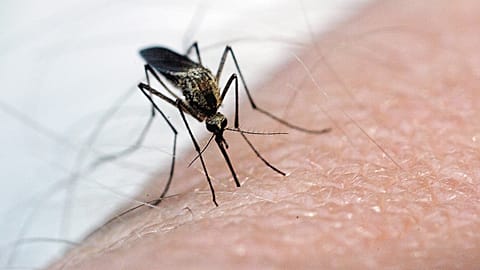
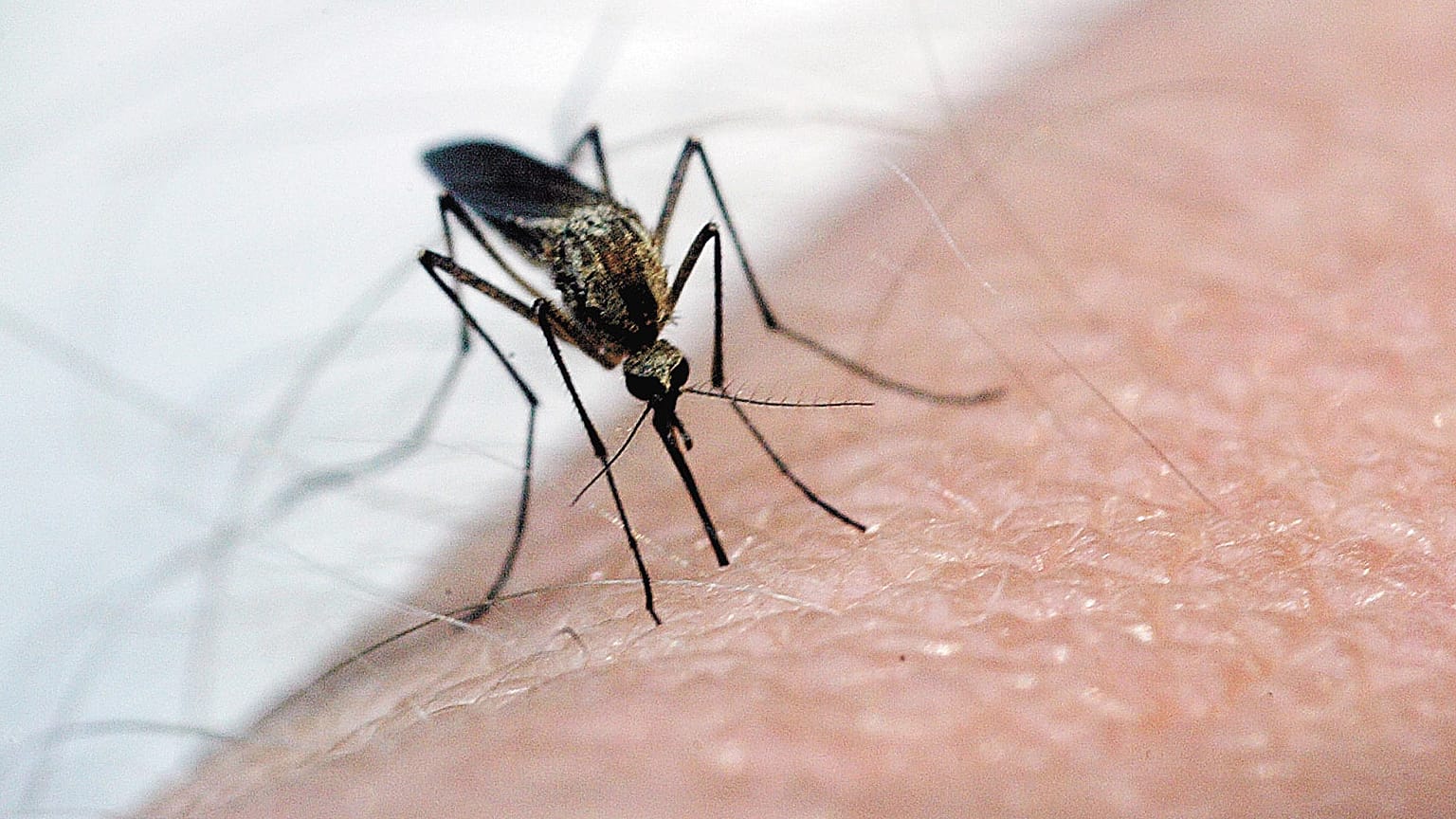
West Nile virus is an infection transmitted mainly through the bite of infected mosquitoes and can affect both people and birds.
The virus was first identified in 1937 in Uganda, in the western Nile region, and reached North America decades later. Its presence has spread in recent years, helped by higher temperatures that allow carrier mosquitoes to remain active for longer.
What are the symptoms?
Most people infected show no symptoms. When symptoms do appear, the most common are fever, headache and muscle or joint pain, along with possible vomiting, diarrhoea or skin rashes.
In around 1% of cases, serious neurological complications such as encephalitis or meningitis can occur. The risk is particularly high in people over 60 and those with certain chronic illnesses.