




























What you eat and drink before, during and after a flight can ease jet lag symptoms.
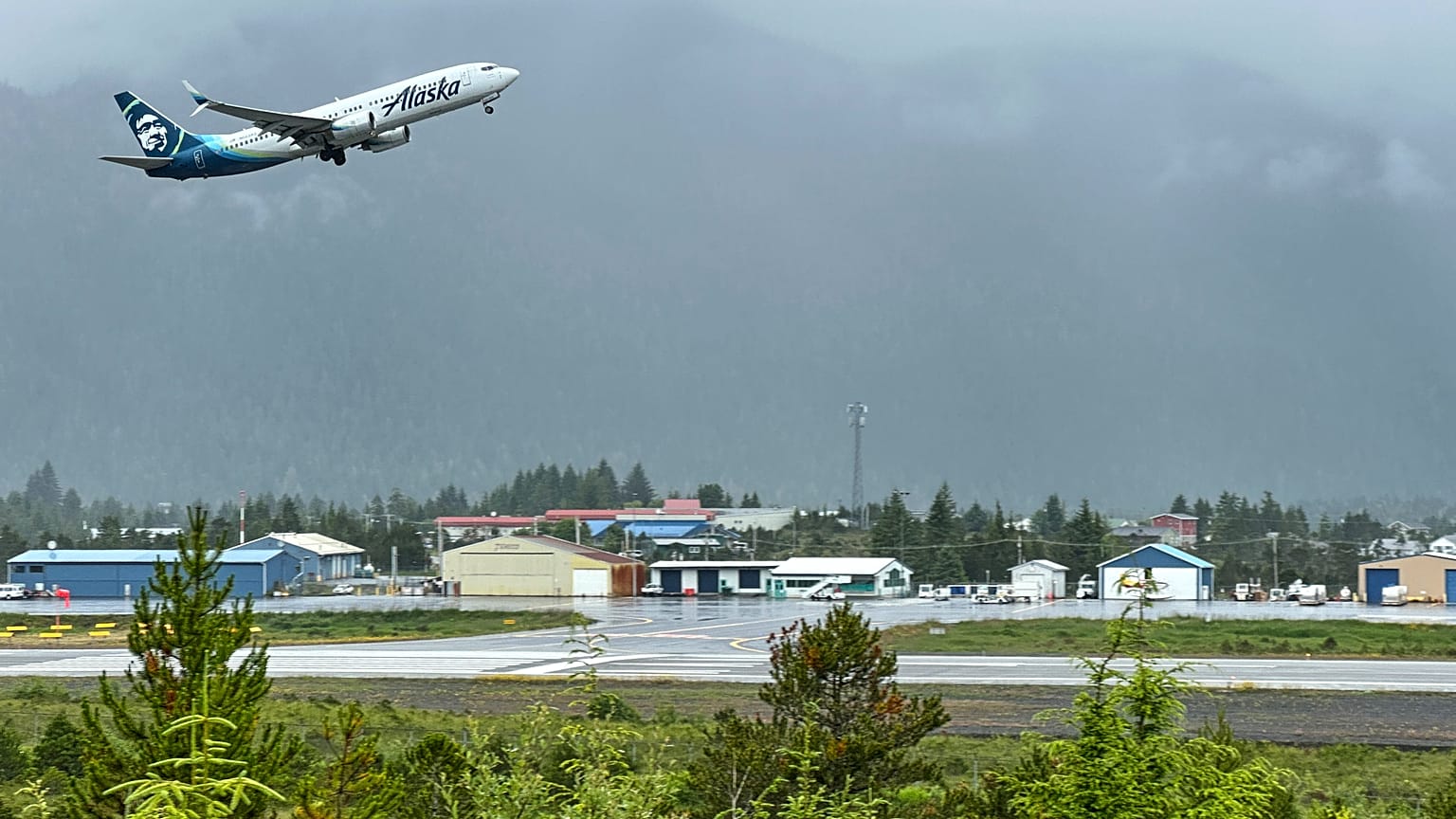
With peak travel season underway, here are some tips to minimise the effects of jet lag, which follows travellers, causing sleep disturbances, daytime tiredness, headaches and even gastrointestinal symptoms.
 ADVERTISEMENT
ADVERTISEMENT
ADVERTISEMENT
Jet lag is a temporary sleep condition that can affect anyone who travels across several time zones. The body has its own internal clock that signals when to stay awake and when to sleep. When this clock stays synced to the original time zone and does not adjust after travel, people experience jet lag.
Although symptoms are temporary and it cannot be fully prevented, there are some steps to reduce its effects that go beyond adjusting the sleep schedule.
What and how food and drink are consumed can make a difference too.
During travel
Preparation starts while travelling. The United Kingdom National Health Service recommends drinking water, stretching regularly and sleeping according to the destination’s schedule.
It is also recommended to avoid caffeine and alcohol, which could worsen jet lag.
Eat on the local schedule
While symptoms of jet lag vary, digestive problems such as bloating, constipation or diarrhoea are not uncommon, Joanne Slavin, a nutrition expert at the University of Minnesota, told the Associated Press.
In the days before the trip, travellers should slowly adjust their meal schedule to match when they’ll be eating at their destination. There, it is best to eat when the locals eat. “Immediately go on your new schedule,” Slavin said.
If it is morning, have breakfast. A 2023 study found that doubling the size of breakfast and skipping dinner for the first three days after a time‑zone shift could speed recovery from jet lag.
Experts also recommend choosing foods your body knows how to digest for the first days, which may help ease any digestive symptoms.
“Smaller meals tend to be more easily tolerated for people, especially if you have a sensitive stomach or maybe are dealing with some of those GI [gastrointestinal] discomforts,” Tara Schmidt, a registered dietitian at Mayo Clinic, told AP.
Later in the trip, she said, travellers may be able to ease into eating more at one sitting. Just be mindful of foods they are not used to, especially greasy or high-fat items.
Watch what to drink on holiday
It is also best to skip that glass of wine or pint of beer, experts note. “As fun as it is sometimes when we travel, we really do endorse avoiding alcohol because alcohol is such a huge sleep disruptor,” Schmidt said.
Another tip is to use caffeine strategically. Those who normally have a cup of coffee or tea in the morning can continue the habit while travelling but should avoid caffeine late in the day, as it may cause sleeplessness. Both caffeine and alcohol can also increase dehydration.
“Dehydration can certainly worsen fatigue and those perceived jet lag symptoms,” Schmidt said.
Drinking water before, during and after the flight can help combat the effects of dry cabin air.
When the trip is over, get back to your normal schedule
Experts say how and what one consumes while travelling is only part of the equation for minimising jet lag, but these changes complement the better-known tips for adjusting your sleep schedule to the new time zone.
When the holiday starts winding down, the advice is much the same for sleep and eating: ease back into the normal schedule and try to fully resume it at home.
“The sooner you get back to it, to all of your habits,” Slavin said, “the better off you’re going to be.”