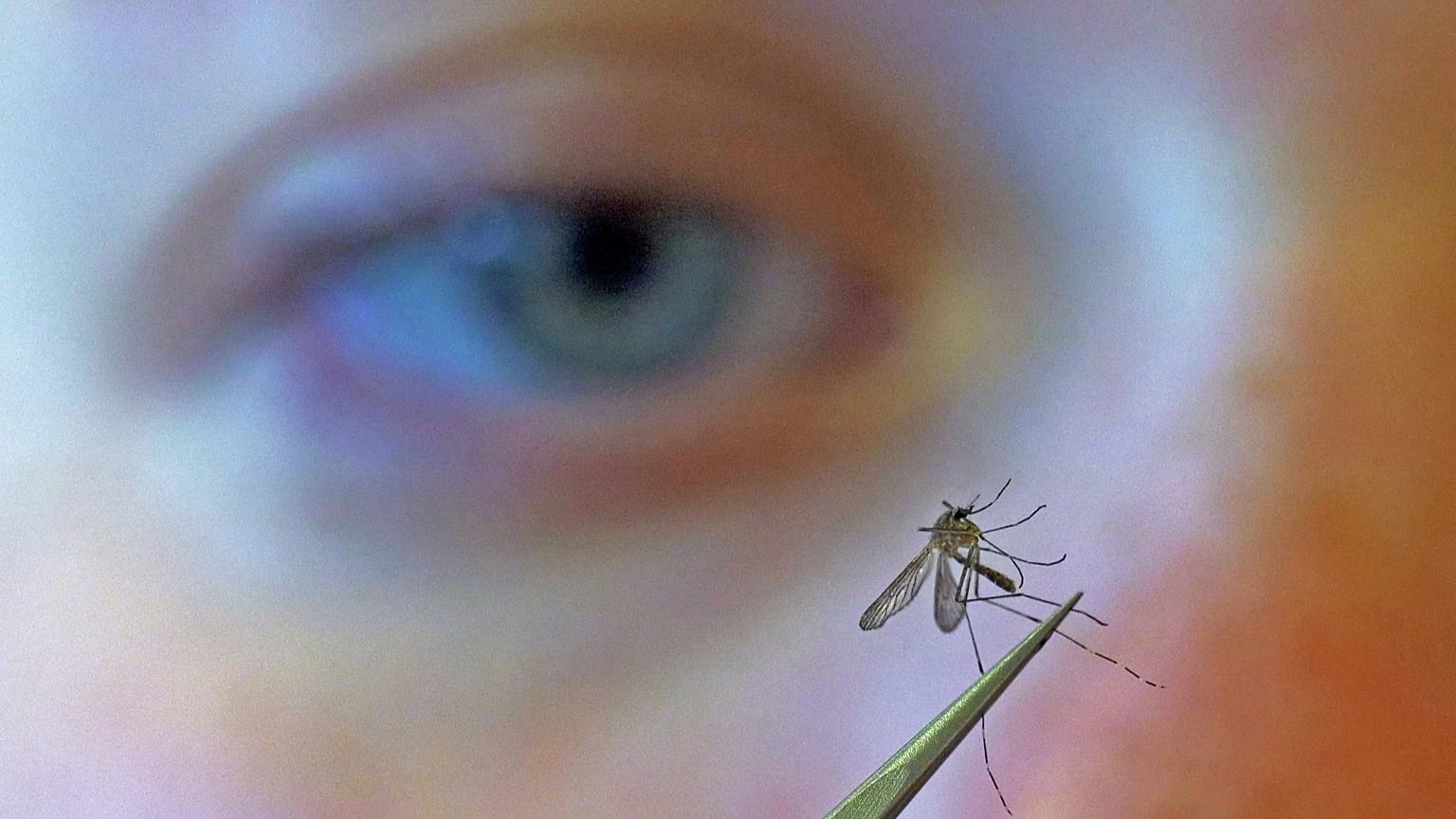













Cover up, use insect repellent and clear stagnant water around your home, WHO Europe advises, as West Nile virus cases climb in parts of southern Europe.
The West Nile transmission season, which typically runs from late spring to autumn, peaks between July and September. As cases were reported in Greece, Italy, Spain, Romania and North Macedonia, the World Health Organization (WHO) is urging people in affected areas to focus on prevention.
 ADVERTISEMENT
ADVERTISEMENT
ADVERTISEMENT
“Simple steps like covering up, using insect repellent and clearing stagnant water around the home can make a real difference,” Hans Henri P. Kluge, WHO Regional Director for Europe, said on Friday.
There is no licensed vaccine for humans, and treatment is limited to managing symptoms and supportive care in hospital for severe cases.
WHO Europe recommends covering most of the body, limiting time outdoors when mosquitoes are most active — at dawn and dusk — applying repellent, using window and door screens at home and using mosquito nets over beds and baby carriers. Clearing stagnant water from pots, containers and other waste would remove their breeding sites, thus reducing the risk.
What symptoms to look out for
Most people infected with West Nile virus — around 70 to 80% — develop no symptoms.
Those who do may experience fever, headache, fatigue, muscle aches, nausea or vomiting, and sometimes a rash or swollen lymph nodes.
“Anyone who develops a high fever, rash or neck stiffness after a mosquito bite should see a doctor without delay,” the WHO Europe chief said.
Around one in 150 infected people develops severe disease affecting the central nervous system “which can be life-threatening,” Kluge said.
Warmer temperatures drive the spread
Due to global warming, the transmission is expected only to rise.
“West Nile virus is not a new threat, but the conditions driving its spread are changing rapidly,” said Kluge. “Warmer temperatures and longer summers are giving mosquitoes more time and territory to transmit this virus.”
Greece has recorded the sharpest increase so far. National authorities reported 21 confirmed human cases as of 22 July. Twenty of those patients developed neuroinvasive disease, such as encephalitis or meningitis, and 13 remain in hospital.
Italy has reported the widest geographical spread, with 21 confirmed cases across 17 separate areas as of 15 July. Locally acquired infections have also been confirmed in North Macedonia (two cases), Romania (two) and Spain (two).