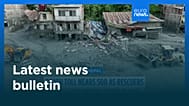



























The cargo includes over eight tonnes of medicines for victims of the two 24 June quakes. The flight also marks the resumption of air links between the countries, halted after the tremors.
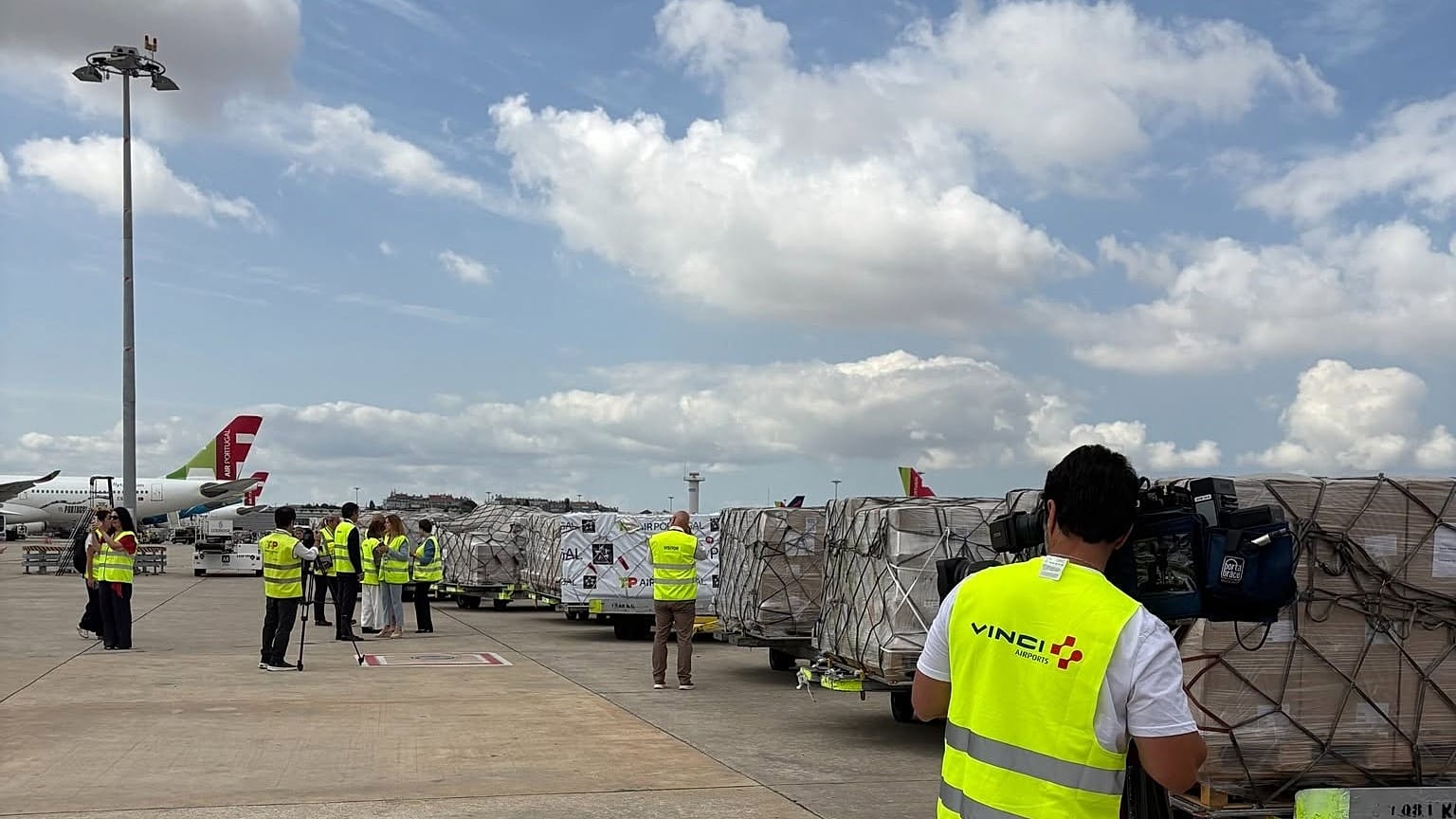
Portugal today sent 8.7 tonnes of medicines to Venezuela. The flight, which took off from Lisbon at 10 a.m., is carrying these supplies to be delivered to the country's Ministry of Health, to support communities affected by the 24 June earthquakes.
 ADVERTISEMENT
ADVERTISEMENT
ADVERTISEMENT
At the departure of the flight, the Secretary of State for Health Management, Francisco Pinheiro Catalão, was present, along with representatives of the Ministry of Health and airport companies.
The cargo was donated by pharmaceutical companies, following an appeal made by organisations in the sector.
"Following that consultation, it was possible to gather around eight tonnes of medicines, donated by the companies Grupo Tecnimede, BIAL, FAES Farma, Menarini and Bluepharma, which will be donated to the Ministerio del Poder Popular para la Salud," the government said in a statement quoted by Lusa.
Direct flights resume
This flight also marks the resumption of direct air links between the two countries, which had been suspended because of the earthquakes.
In a statement, TAP explains that for the time being it will only fly to Arturo Michelena Airport in Valencia. Later, as the country recovers, flights to other destinations will gradually be resumed in the country, including the capital, Caracas.
Last week, Portugal had already sent humanitarian supplies to Venezuela, including hygiene items, two ambulances and tools for clearing debris. These supplies were sent on two Air Force flights which, on the return journey, transported the personnel who formed part of the Joint National Operational Force (FOCON).
Fragile public health situation
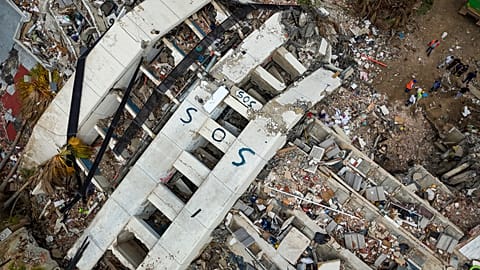
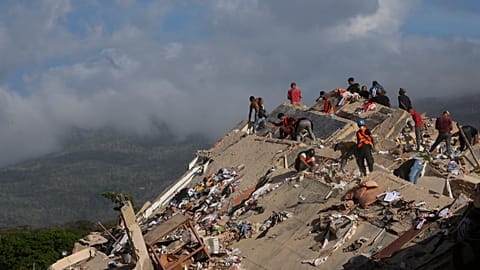
Venezuela was hit by two earthquakes on 24 June, just a few seconds apart. It has been described as the country's largest seismic event this century. Since then, more than 1,200 aftershocks have been recorded.
The death toll currently stands at 4,490, with more than 300 bodies still to be identified. The government in Caracas is not providing an official figure for the number of missing people.
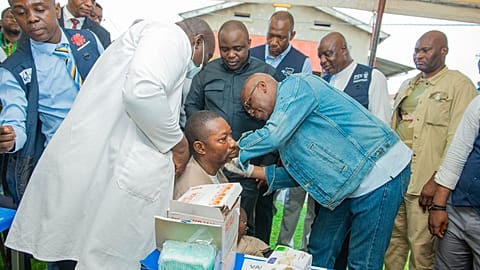
The earthquakes also left more than 16,000 people injured, in need of treatment. On top of this, the situation is putting the population at risk of illnesses such as infections, dengue and fevers. This in a country where, according to the World Health Organization (WHO), vaccination rates have been falling because of sanctions.
The situation is further complicated by damage to hospitals. In the aftermath of the earthquakes, the WHO said that three hospitals had been closed and another six were operating only partially.