
















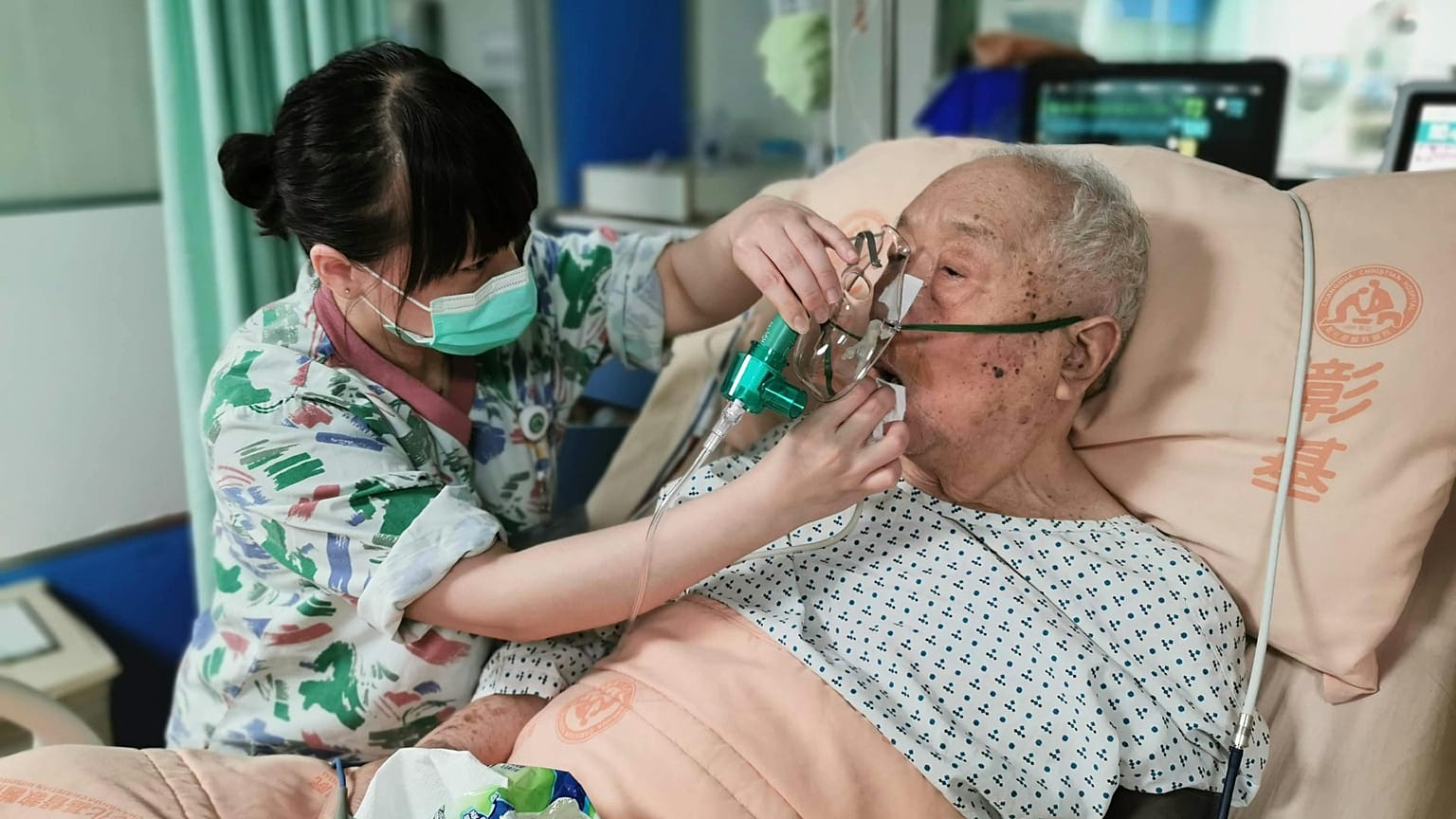













New research highlights the impact of ageing-related inflammation, especially due to immune cells marked by the GZMK gene, first seen in people affected by severe COVID.
Researchers may have found out why older adults are much more likely to be seriously impacted by COVID or the flu. This is mainly due to ageing lung cells, which can trigger excessive immune responses, according to a new study by researchers at the University of California, San Francisco
 ADVERTISEMENT
ADVERTISEMENT
ADVERTISEMENT
The research, published on Thursday in the journal Immunity, points to lung structural cells called fibroblasts as unexpected drivers of what scientists call "inflammaging" - the chronic, low-grade inflammation associated with growing older.
The findings could open the door to new treatments that interrupt the destructive cycle before it spirals out of control.
How ageing lung tissue causes inflammation
The researchers redesigned fibroblasts, the lung’s structural cells, in young mice to be able to send age-related distress signals. This evaluated whether a signal coming from the fibroblasts could harm otherwise healthy lungs.
The study found that the signals first led the lungs to trigger an immune response, which attracted immune cells from the bloodstream, creating clusters of inflamed cells. Some of these immune cells were the same ones first seen in people affected by severe COVID, marked by the GZMK gene.
Although the GZMK cells were useless in fighting against the disease, they could still hurt the lungs.
Young mice’s lungs faced advanced infection symptoms, once these inflamed cell clusters were formed, similar to ageing lungs.
However, once the GZMK cells were removed using a genetic trick, the young lungs could bear the infection. This has led researchers to believe that the ageing lung tissue itself is the primary cause of inflammation.
Fibroblasts can also lead to inflammation in lung diseases such as Chronic obstructive pulmonary disease(COPD).
“We were surprised to see lung fibroblasts working hand-in-hand with immune cells to drive inflammaging. It suggests new ways to intervene before patients progress to severe inflammation that can require intubation,” said Tien Peng, MD, a professor of medicine at UCSF and senior author of the paper.
To further understand this link, the researchers also examined lung tissue from older patients in the hospital with severe COVID-related acute respiratory distress syndrome (ARDS). They found the same clusters of inflamed cells as in the young mice were present in these patients, too.
Sicker patients had more inflamed clusters, however, lung tissue from healthy donors did not.
“We saw during COVID that our most vulnerable patients no longer had the infection but still had persistent and devastating lung inflammation. This circuit of dysfunction between lung and immune cells makes for a promising new therapeutic target,” Peng said.
Down the line, a therapy may be developed to target the GZMK cells directly and slow ageing-related inflammation.