




























Small changes to your routine can cut your exposure more than you might think.
The return of sunny weather also comes with a less welcome companion: fine particle pollution.
 ADVERTISEMENT
ADVERTISEMENT
ADVERTISEMENT
Several countries across Europe have experienced high levels of air pollution in recent days, with France, Germany, Belgium, Ireland, the Netherlands, and the United Kingdom being particularly affected.
Air quality naturally varies, influenced by seasonal changes, wind patterns, and a mix of natural and human-made sources. According to the Copernicus Observatory, while this is a common occurrence in spring, this episode is notable because fine particles are coming from multiple sources, including agricultural emissions from fertilisers.
The new 2025 World Air Quality Report found that air quality is deteriorating globally, largely due to human-caused climate change.
Andorra, Estonia, and Iceland are the only countries in Europe that met the WHO annual PM2.5 guideline – 5 micrograms per cubic metre (µg/m³) – in 2025.
Every breath we take brings in oxygen but also tiny particles and gases, some of which can be harmful to our health. Fine particles can irritate the lungs, trigger allergies, or exacerbate chronic conditions such as asthma and heart disease.
With air pollution expected to spike over the coming days, it’s worth asking: what can you do to protect yourself and your loved ones? Here’s a list of practical steps you can take to reduce exposure and stay safe.
1. Reduce exposure, outdoors and indoors
This one seems obvious, but WHO experts are warning that just staying indoors might not be enough: While it is mainly recommended to stay indoors and limit outdoor activity, the air quality indoors isn’t automatically safe. This is where good ventilation and HEPA air filters can help.
It is recommended to avoid frying without ventilation, burning wood or coal. You should also avoid smoking and using strong cleaning products or scented sprays to minimise indoor air pollution.
According to the WHO, commuting can expose you to a lot of pollution; just a short trip can make up a large part of your daily exposure. If you need to go out, pick less busy streets, travel at off-peak times, and avoid sitting in traffic, whenever possible.
2. Benefits vs. risks of exercising
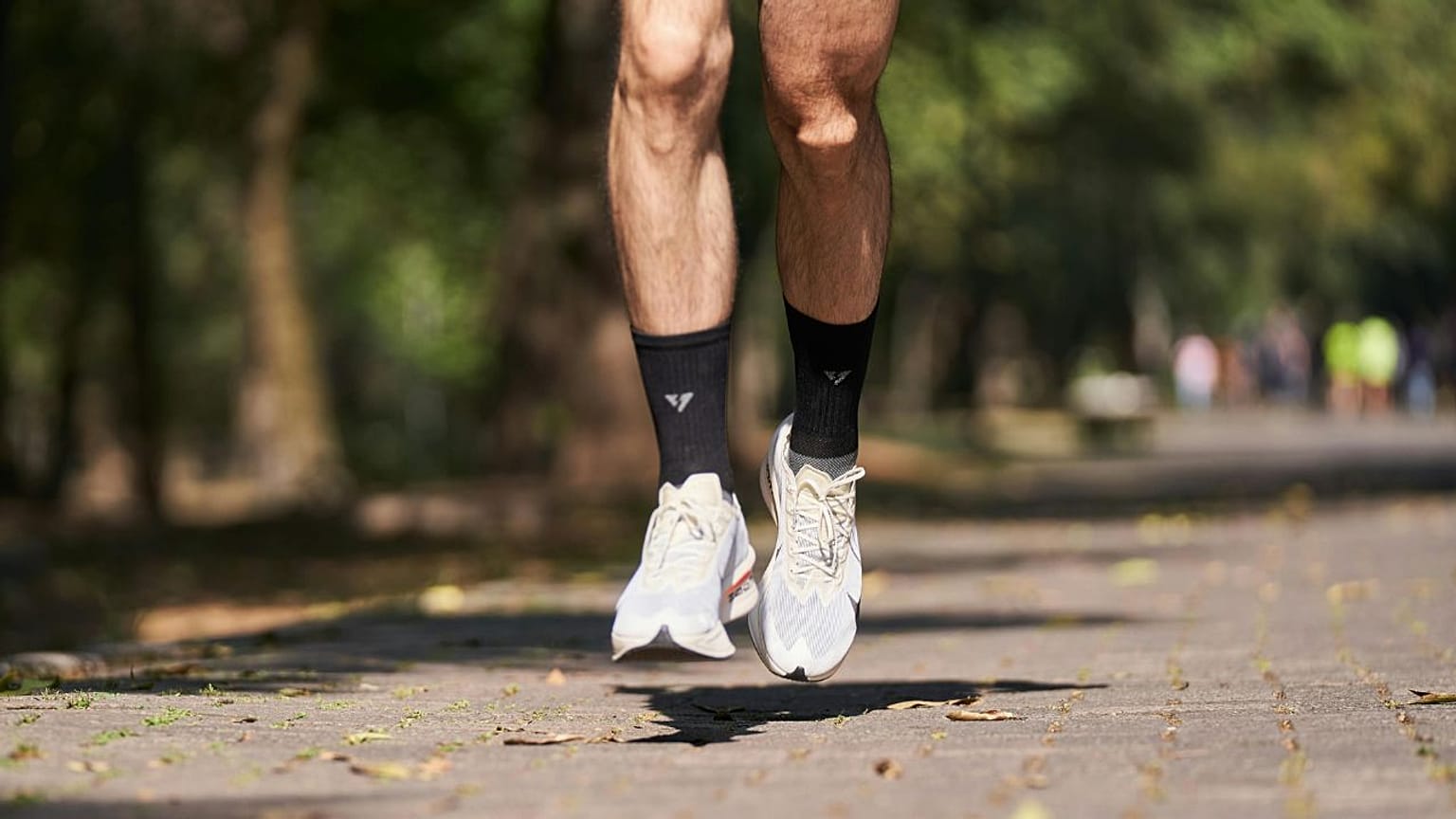
Even when the air is polluted, regular exercise is still worth it. For healthy adults, the long-term benefits, like a stronger heart and lower risk of stroke, diabetes, and some cancers, usually outweigh the risks. People with heart or lung conditions gain less, but medicine can help.
WHO experts recommend staying active and choosing cleaner times or places when possible, for example, working out early in the mornings and in green spaces with lower pollutant levels. Sometimes exercising indoors may be better.
3. Eat smart during pollution peaks
Drinking water and eating foods rich in antioxidants such as berries, citrus fruits, leafy greens, nuts, and even some fatty fish, can help our body cope with the oxidative stress and inflammation triggered by air pollution. Studies suggest they can help protect the heart and blood vessels. They may also reduce some of the damage caused by air pollution, although more research is needed. When in doubt, it’s probably better to choose healthier foods.
4. Wash the pollutants off
Air pollution particles can settle on your skin and interact with it, contributing to oxidative stress and inflammation. People with pollen allergies may already know this, but taking a shower and washing your skin and hair after being outside on high-pollution days can help remove deposited particles and reduce your overall exposure.
5. Are you on the apps?
Air pollution levels can change quickly throughout the day. Using apps such as AirVisual or Plume Labs lets you track real-time air quality and plan your activities for cleaner times—many of them rely on data from the Copernicus Programme.
Even small adjustments, like avoiding rush hour or going out after rain, can make a difference.
During periods of prolonged bad air quality, experts recommend using air purifiers indoors. The WHO also recommends using FFP2 respirator masks if outdoor exposure is unavoidable, for example, during wildfires.
Avoiding air pollution isn’t equally possible for everyone. Where you live, the kind of work you do, your housing conditions, and access to cleaner transport or indoor air solutions all play a role, meaning some people, such as outdoor workers or those in heavily polluted urban areas, have far fewer options to reduce their exposure.