














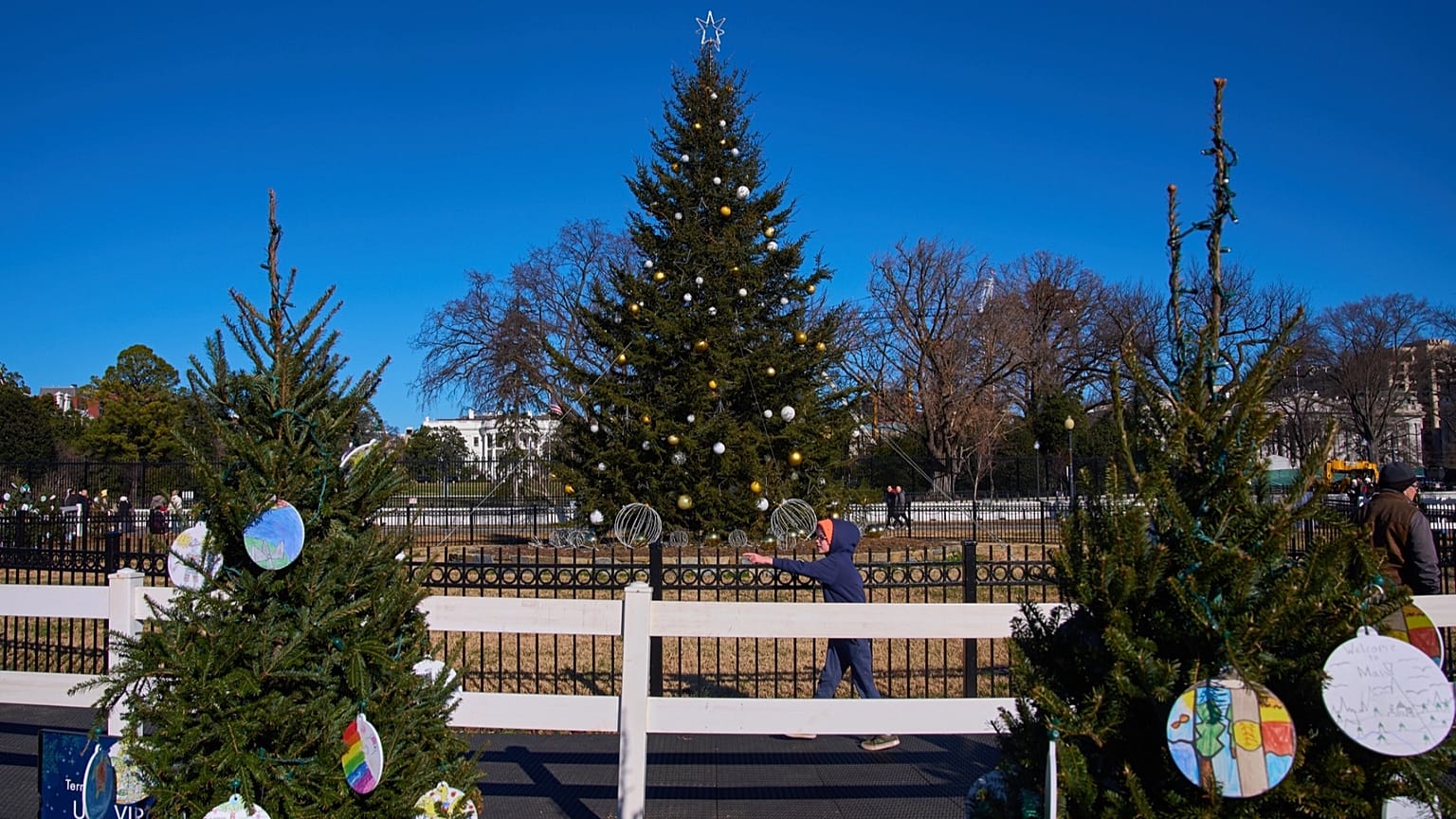













Christmas trees can take years to break down when thrown into landfill, but there are some more eco-friendly ways of ending the festivity.
Christmas is officially over, which means taking down the lights, putting the chocolates away, and getting rid of your shedding tree.
 ADVERTISEMENT
ADVERTISEMENT
ADVERTISEMENT
According to the Nature Conservancy, some 10 million live Christmas trees end up in landfills every year. There, they are covered with soil, which results in anaerobic (oxygen-deprived) decomposition rather than the aerobic (oxygen-fueled) process by which they would break down in a natural setting, such as on the forest floor.
Anaerobic decomposition is not only very slow (a tree can take years to break down) but it also generates greenhouse gases like methane and carbon dioxide, which may contaminate groundwater.
If you’d like to avoid this, you have options that not only will avoid harming the environment but may also help improve your garden. All of them begin with removing ornaments, tinsel or 'flocking' (spray-on fake snow) from the tree.
Turn your Christmas tree into city compost
If you're able to chop down your Christmas tree, you can distribute the branches throughout your garden to help insulate the soil. This will help protect bulbs and perennial root crowns from heaving out of the ground during the freeze-thaw cycles of winter.
In Spring, revisit your garden mulch and cut the brittle branches and stems into smaller pieces - leaving them in place to further decompose without interfering with the emerging springtime garden. Pine needles don’t significantly lower soil pH, so they will not imperil your plants.
If you're unable to dismantle the tree yourself, many local council and charities will take them away to turn them into fertiliser. Here, trees are shredded up and used to keep public spaces flourishing and green.
In Paris, the city council sets up drop off points throughout the city for trees to be collected, shredded and then spread across the city’s green spaces.
A 'haven' for wildlife
If you have a large pond, consider sinking your tree to create shelter for fish. They’ll appreciate their new hiding place.
Or leave the tree in its stand and set it out in the yard. Secure it, if necessary, to avoid tipping in strong winter winds. Then watch as nonmigratory birds make a home in it. A bird feeder hanging from a branch will help entice new residents even more.
If that’s not possible, just drag the whole thing outside and lay it down in an out-of-the-way corner of the yard to provide shelter for birds and other wildlife.
Coastal protection
Cut trees are often planted or buried on beaches to help tackle coastal erosion. As rising sea levels continues to put millions at risk of frequent flooding, using trees to support and heighten sand dunes can help protect those in high-risk areas.
Sand dunes are also blue carbon ecosystems, which means they store more carbon per unit area than terrestrial forests, and have stored one-third of global carbon emissions since the industrial revolution.
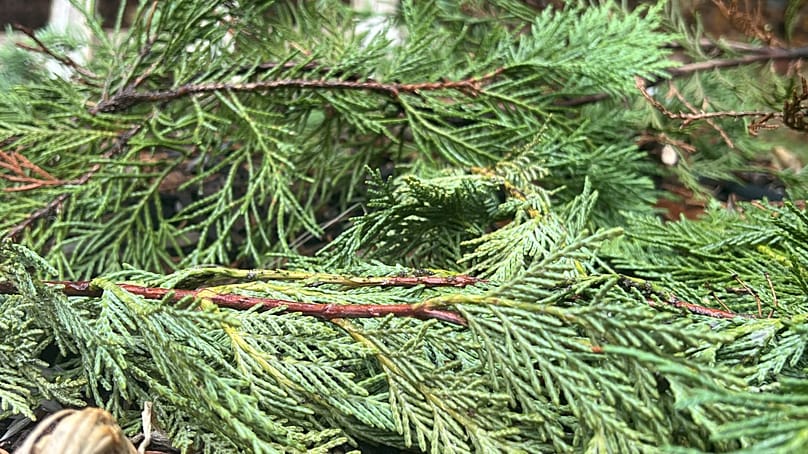
When the trees are carefully planted into the ground, the wind blows the sand it is captured in the branches and builds the dune back up.
Organisations such as Beach Guardian, in the UK, rounds up volunteers every year to get Christmas trees onto the shore.
Special Christmas tree collections
Some communities hold special tree collections after the holidays and use them to counter erosion or provide shelter for wildlife. Zoos often use discarded trees as part of enrichment programmes, but these are often collected from vendors rather than households due to decoration wires.
You might even donate your tree to a local farm; many will welcome your contribution to their livestock’s food supply. For example, Kentish Town City Farm in London, the UK’s oldest city farm, uses the trees they collect to feed their goats. Not only do they taste good but they’re thought to be a natural de-wormer too.