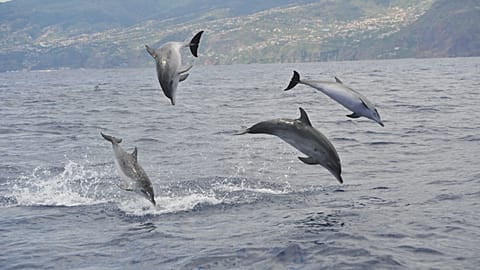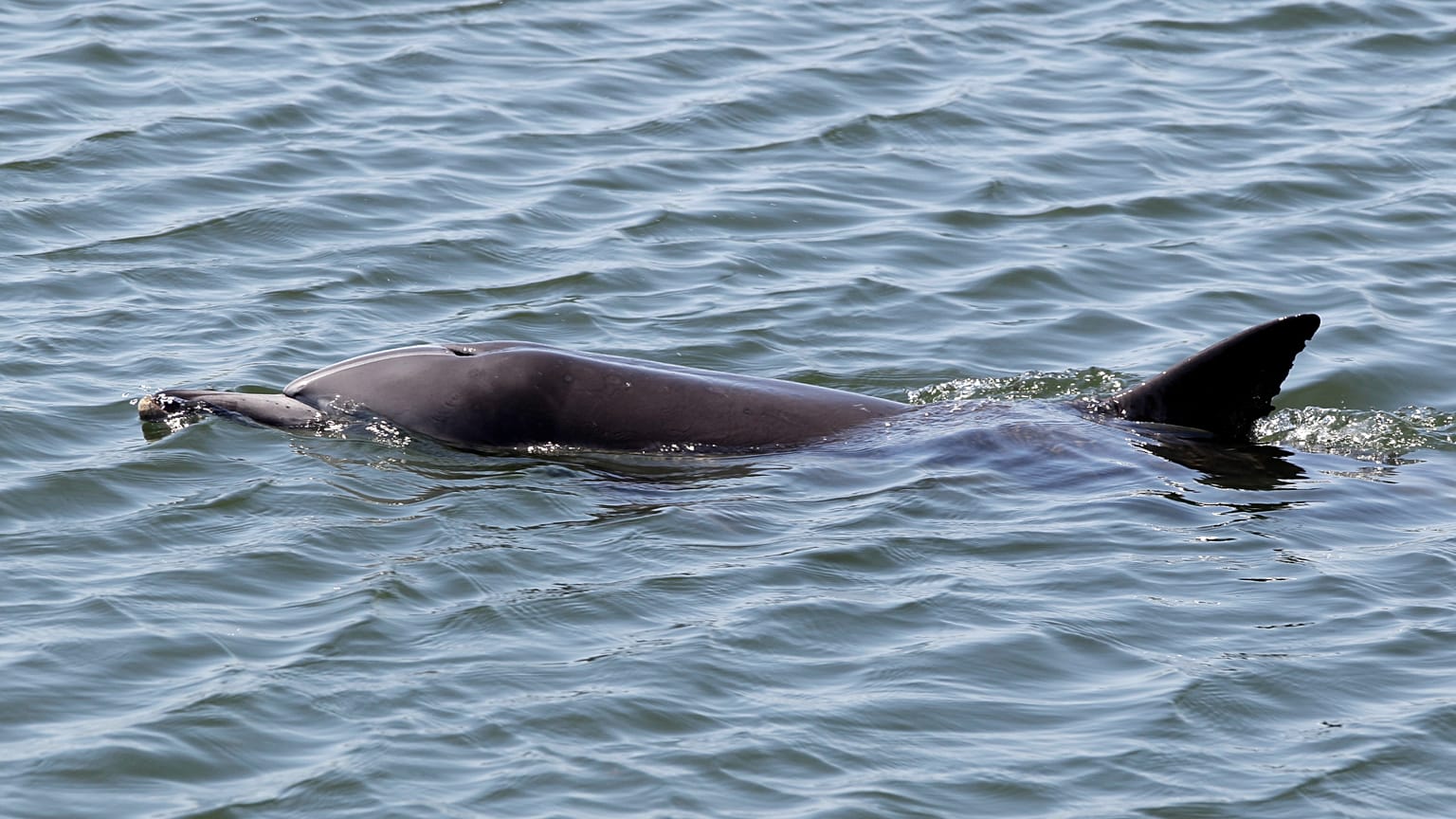













Winter closures in recent years have gained positive results, although the measure will affect around 300 vessels.
Every winter, the Bay of Biscay becomes a risky place for dolphins. The clash between their seasonal movements and intense fishing activity means that, year after year, the probability of accidental catches increases. This is a reality that scientists and authorities have been aware of for some time and which has forced Brussels to intervene once again.
 ADVERTISEMENT
ADVERTISEMENT
ADVERTISEMENT
The European Commission announced this week that in 2026 it will re-implement a temporary fishing ban in the area, a measure designed to reduce deaths of dolphins and other small cetaceans. The closure will run from 22 January to 20 February and will affect vessels over eight metres in length, which will have to remain in port during that period.
The decision does not come out of the blue. It is the third consecutive year in which the European Union has resorted to this type of winter closure, after finding that previous restrictions have worked. According to data cited by Brussels, the number of dolphins killed in 2025 was significantly lower than before the closures were introduced, a key argument for repeating the measure.
Behind this policy is a persistent problem. Every winter, hundreds of dolphins wash up dead on the Atlantic coasts, many of them with clear signs of having been caught in fishing nets. Scientific organisations such as the French observatory PELAGIS have been documenting this situation for years and calling for concrete action to stop it.
Some 300 vessels will be affected by the fishing ban
The new closure will affect some 300 EU vessels, an impact that the Commission acknowledges. For this reason, Brussels has said that fishermen will be able to access economic compensation through the European Maritime, Fisheries and Aquaculture Fund, as well as possible national aid, with the aim of cushioning the loss of income during the period of inactivity.
The closure, however, is not the only measure envisaged. The Commission maintains the obligation for certain vessels to use acoustic deterrent devices throughout the year, devices that emit sounds to keep cetaceans away from nets. In addition, monitoring programmes will be strengthened, with on-board observers and camera systems to monitor interactions between fisheries and marine wildlife.
Overall, Brussels is seeking to repeat a formula that has already proved effective: reducing fishing pressure at the most critical times of the year to give dolphins a break, without losing sight of the need to sustain the activity of a key sector for many coastal communities.