















'Mind the sticky patch!': Why has this Dutch museum covered the floor in peanut butter?














Fancy a sticky, nutty treat? This Dutch museum might be able to help. Forty tubs of peanut butter have been spread at the Museum Boijmans Van Beuningen - here's why.
Three hundred and sixty kilograms of peanut butter have been spread across the floor at Museum Boijmans Van Beuningen in Rotterdam, the Netherlands, to honour Dutch artist Wim T. Schippers, who died on 10 June 2026.
 ADVERTISEMENT
ADVERTISEMENT
ADVERTISEMENT
Famous for his absurd works and for voicing Ernie and Kermit the Frog in the Dutch version of Sesame Street, the artist first presented "Pindakaasvloer", or "Peanut Butter Floor", in 1969.
Through his unconventional artworks, he challenged people's perception of what art is.
"Isn't it fantastic that we are all standing here looking at peanut butter?" Schippers asked journalists at the exhibition at the Central Museum in Utrecht in 1997.
Some visitors, tempted to have a snack, vandalised the exhibition in 1997 by placing 12 slices of bread and several bags of chocolate sprinkles, commonly eaten on bread at breakfast in the Netherlands, on the artwork.
"It doesn't look bad," Schippers told a Dutch newspaper at the time. "The sprinkles have been applied with a sense of proportion and a skilful hand."
The visionary later turned this idea into the Floor Covering Series, which also included floors covered with glass shards and salt.
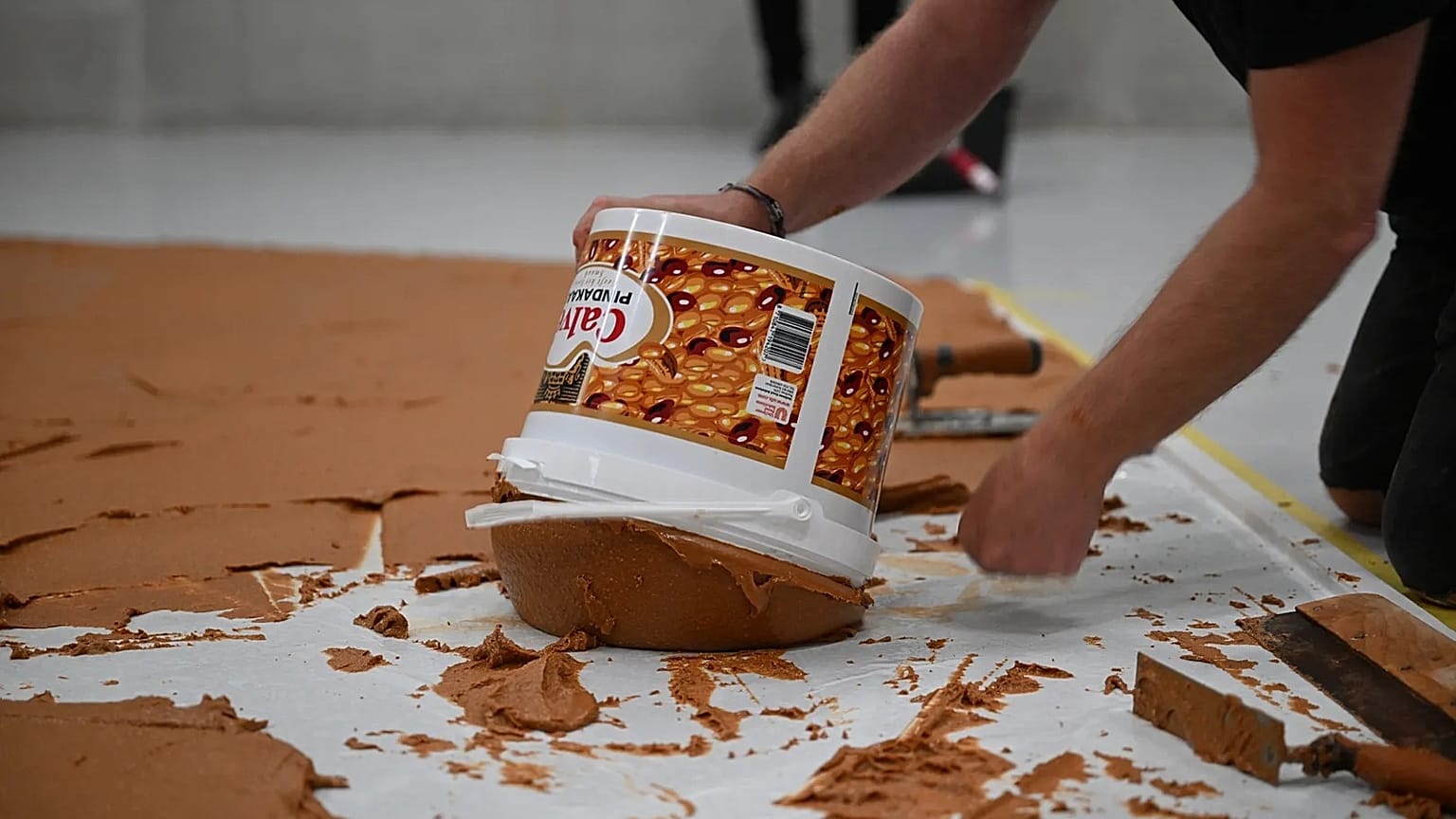
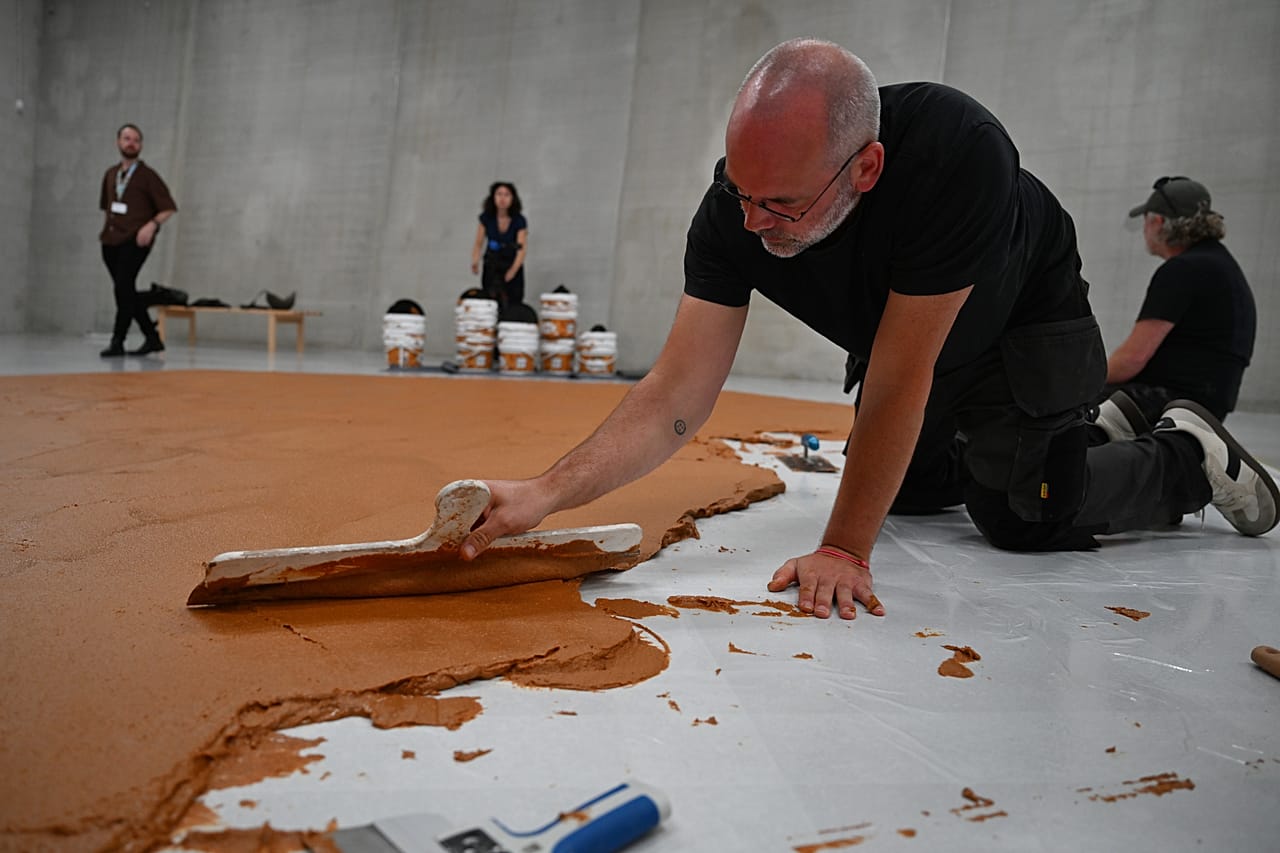
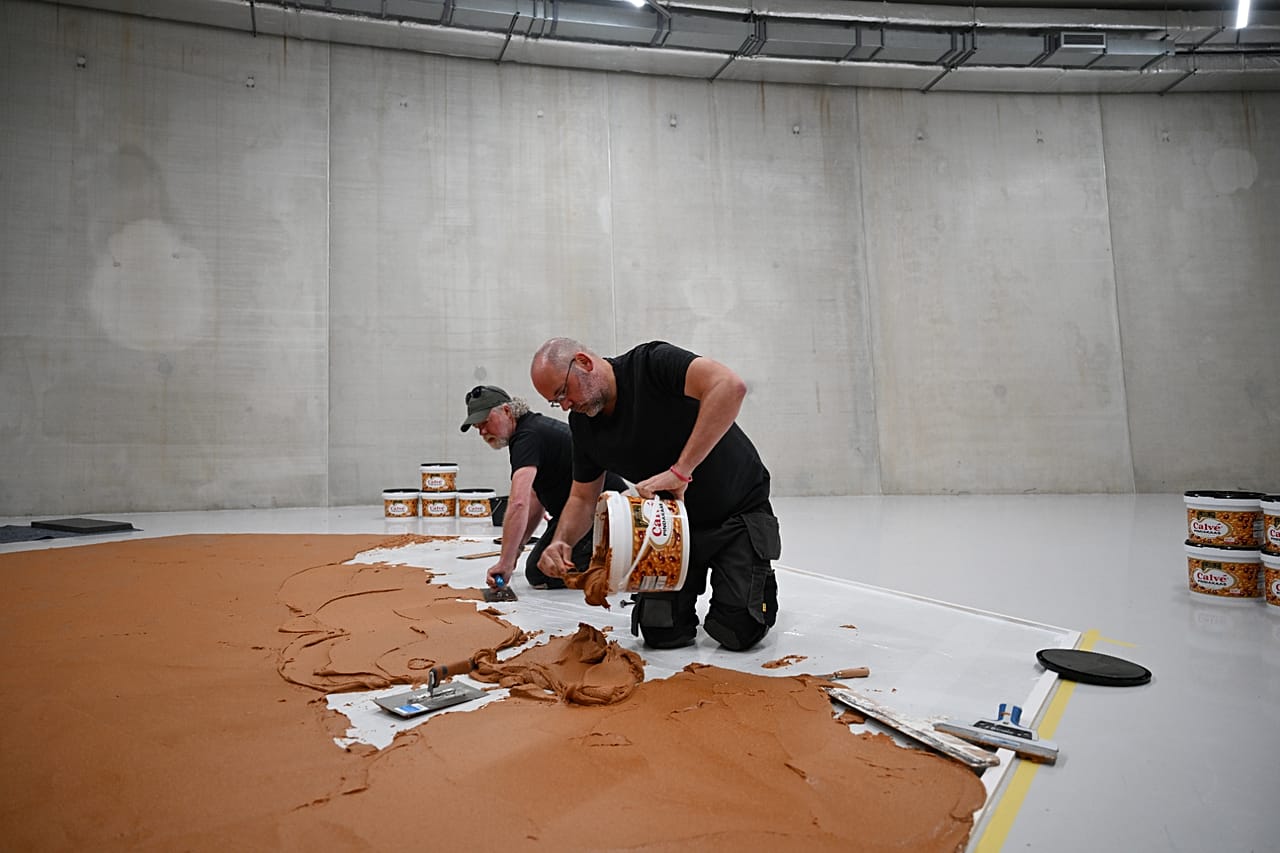
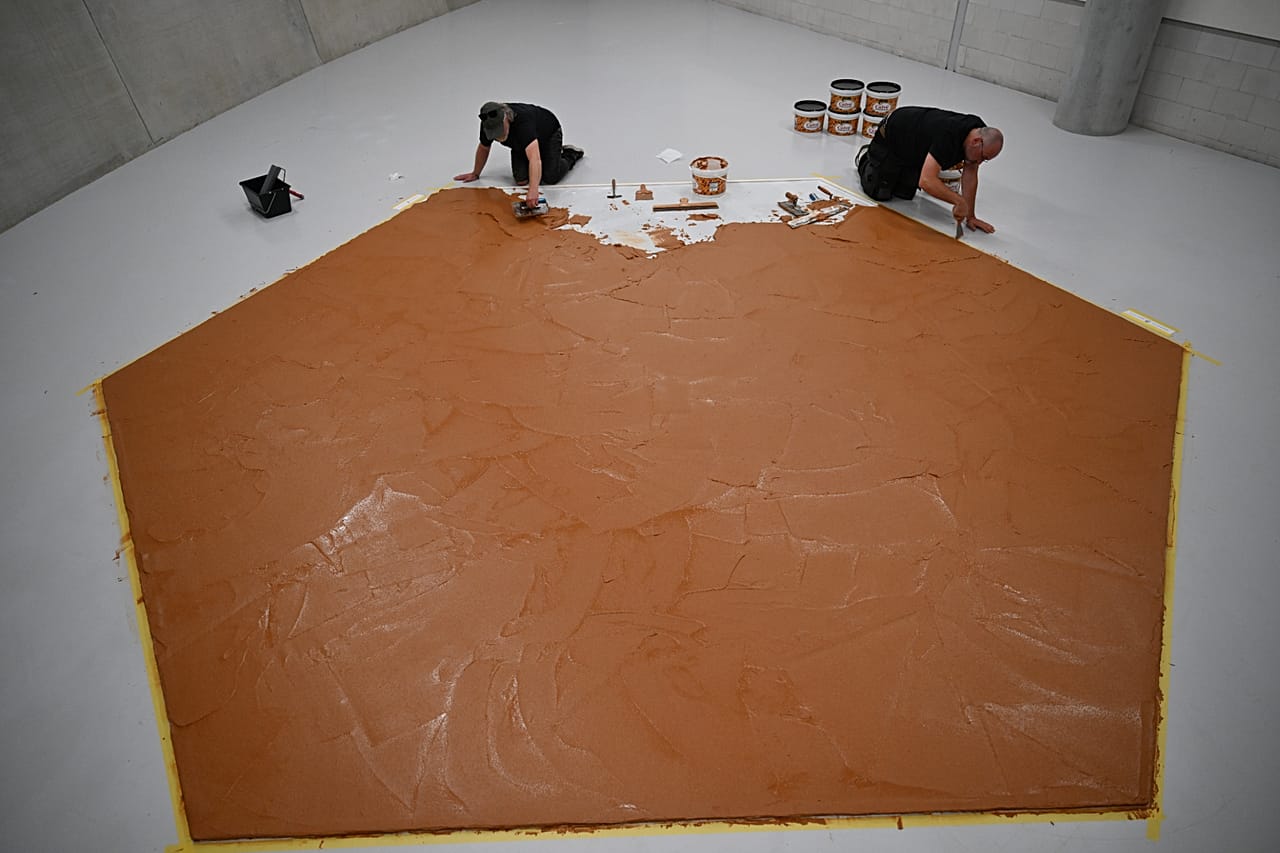
Closely following Wim T. Schippers's 20-point plan for recreating the work, two museum employees spent several days spreading 40 tubs of peanut butter across a 25-square-metre hexagon.
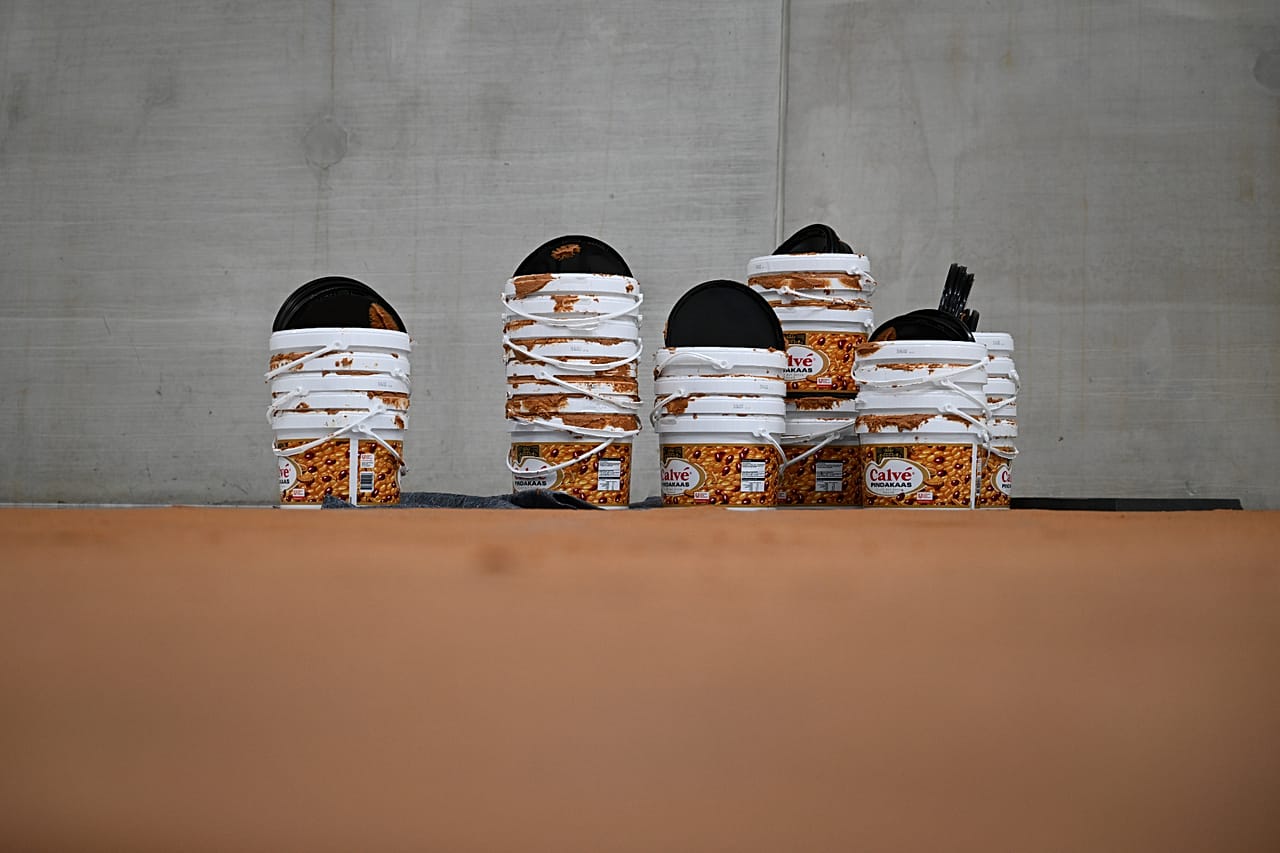
Using drywall trowels, the two workers spread peanut butter donated by Calvé to a thickness of 2 centimetres, making sure the exhibition was "as smooth and boring as possible".
The museum warned visitors with peanut allergies that the exhibition could be dangerous for them.
Those who do not have such allergies were invited to "follow the smell" around the museum to fully experience the honorary work of art.
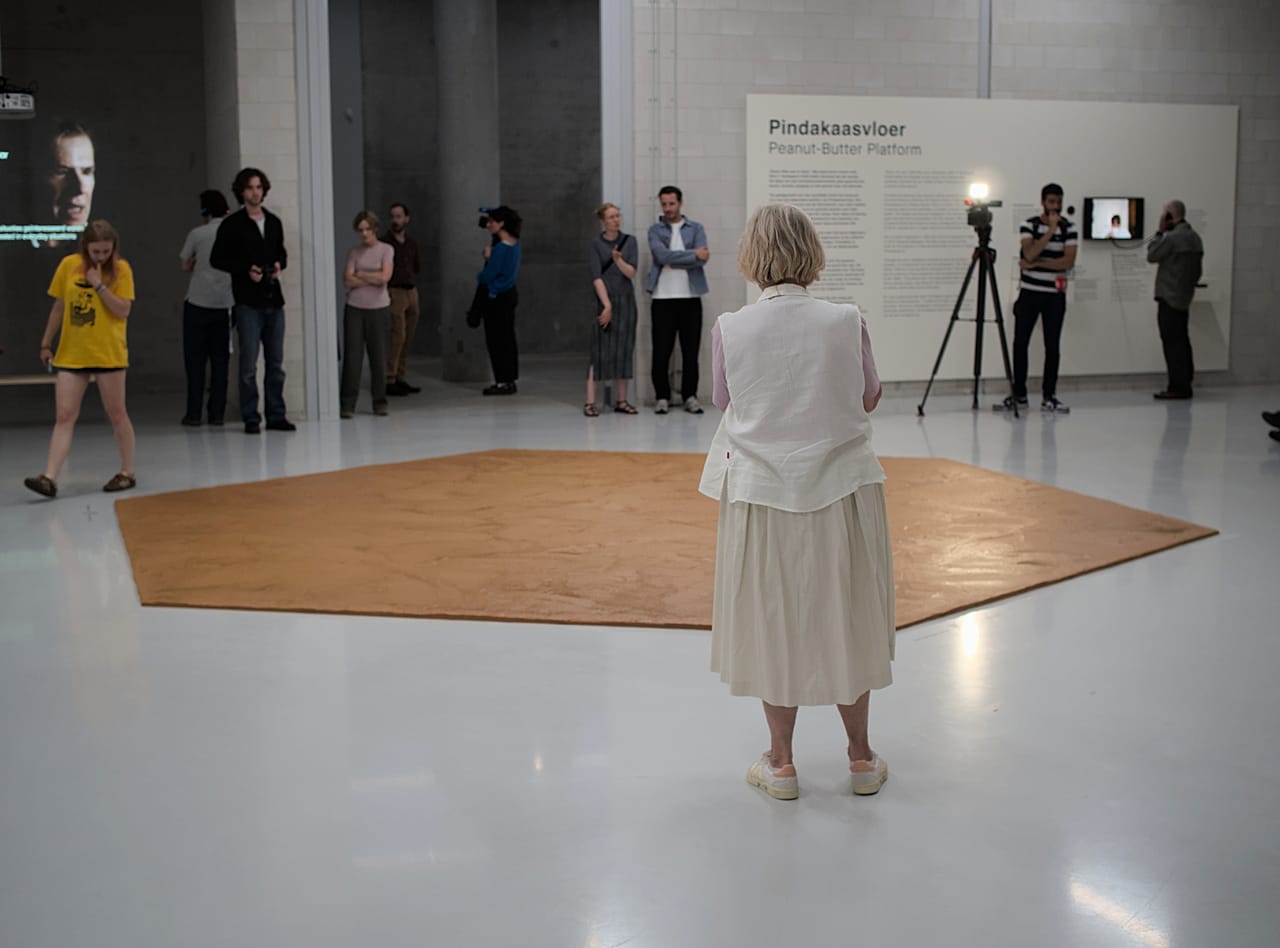
The exhibition runs until 6 September 2026. Check out the video above for footage of the artwork's creation.