



























Iranian director Jafar Panahi is set to face trial in Iran once more, on charges of “propaganda against the regime.” He was sentenced by Iran’s Revolutionary Court to one year in prison and a two-year travel ban in absentia last year.
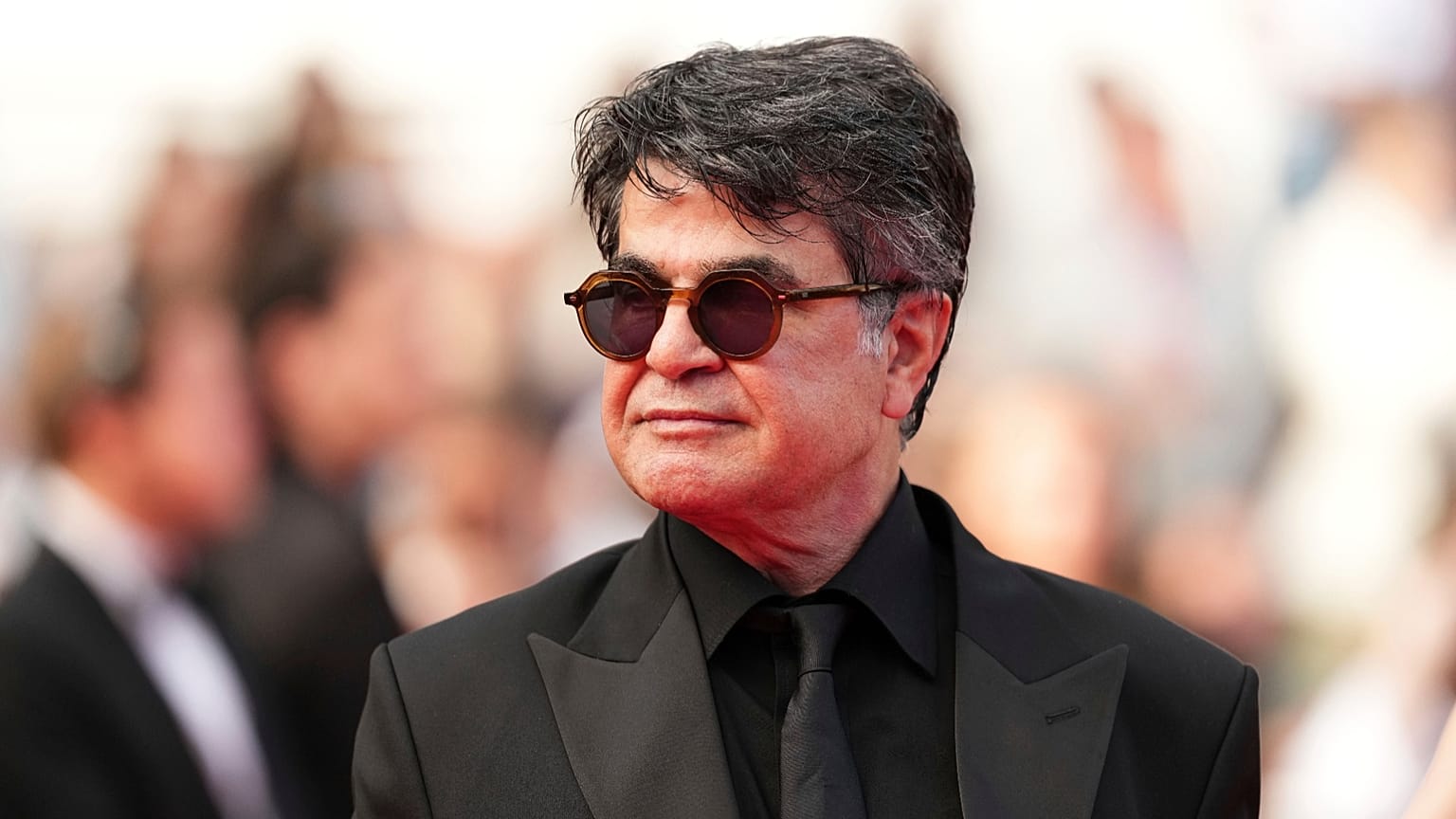
Oscar-nominated and Cannes-winning Iranian director Jafar Panahi has been summoned for a court hearing in Iran tomorrow as part of a retrial related to charges against him of “propaganda activity against the regime.”
 ADVERTISEMENT
ADVERTISEMENT
ADVERTISEMENT
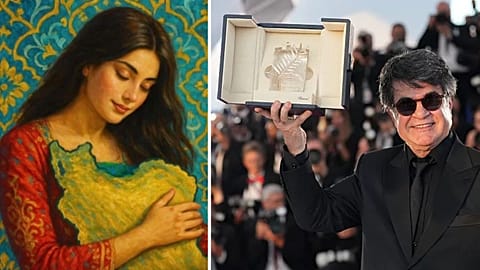
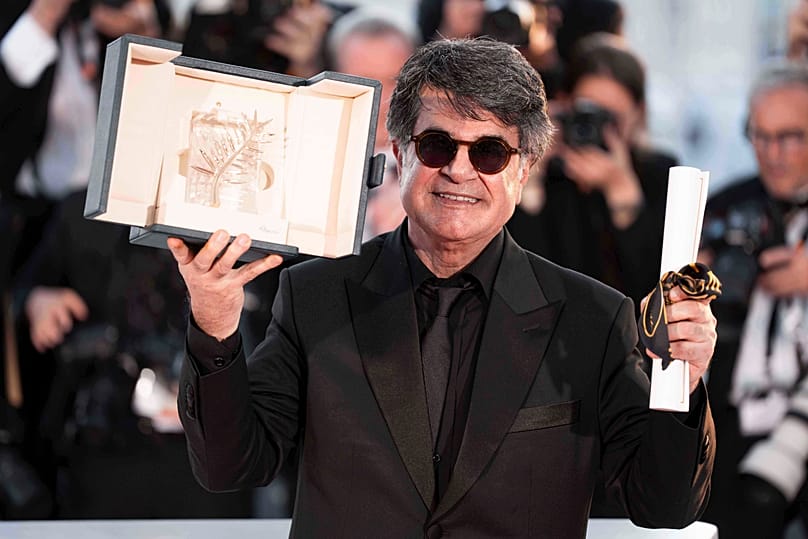
Panahi, who won last year’s Palme d’Or in Cannes for It Was Just An Accident, was sentenced by Iran’s Revolutionary Court to one year in prison and a two-year travel ban in absentia at the end of 2025.
The filmmaker returned to Iran at the end of March after the ceremony for the 98th Academy Awards in which It Was Just An Accident was nominated for Best International Feature Film.
The retrial has been called following an appeal by Panahi’s lawyers.
Branch 26 of the Tehran Islamic Revolutionary Court, which is overseeing the case, also banned the director from membership of political and social groups.
Panahi was jailed shortly before making It Was Just An Accident and was only released after going on a hunger strike. He spent 86 days in Iran’s notorious Evin prison in 2022 and 2023 on charges of anti-government activity dating back to 2010 and for demonstrating against the imprisonment of his friend and fellow filmmaker Mohammad Rasoulof.
In prison, Panahi met activist and political prisoner Mehdi Mahmoudian. The two collaborated on the screenplay for It Was Just An Accident, a thriller inspired by Panahi’s time in prison.
Mahmoudian was re-arrested earlier this year on accusations of “insulting the Supreme Leader” and “propaganda against the Islamic Republic.”
Panahi has clashed with the repressive Iranian authorities as far back as 2003, has been imprisoned twice in Iran, and was banned from filmmaking for his anti-regime stance and “propaganda against the state”.
He has continued to make films in defiance of the authorities and is best known for films like This Is Not a Film, No Bears and Taxi Tehran, which won the Golden Bear at the Berlin Film Festival in 2015.
Whilst promoting It Was Just an Accident in the US, Panahi won three Gotham awards: Best Screenplay, Best Director and Best International Feature.
“I would like to dedicate the honour of this award to independent filmmakers in Iran and around the world, filmmakers who keep the camera rolling in silence, without support, and at times by risking everything they have, only with their faith in truth and humanity,” said Panahi at the ceremony.
“I hope that this dedication will be considered a small tribute to all filmmakers who have been deprived of the right to see and to be seen, but continue to create and exist.”
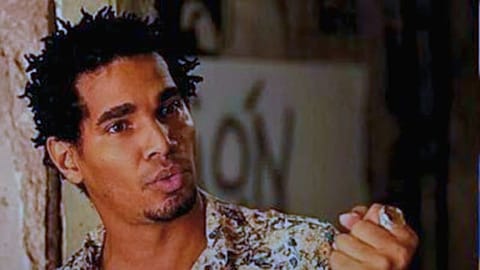
It Was Just An Accident follows a group of formerly imprisoned Iranians who contemplate whether to exact revenge on a man they believe to be their former jailer and torturer. It serves as an unflinching condemnation of the Islamist Republic’s repression and is a timeless commentary of the sins of state despotism.
In our review of It Was Just An Accident, we wrote: “Shot in secret, considering Panahi was not allowed filming permission from the authorities, the result is a taut, tense and tightly scripted drama that surprises due to its deft tonal shifts. (...) It’s a powerfully engrossing work that explores the consequences of torture, the price of revenge and whether mercy is possible, as the characters are rattled by the possibility that fighting violence with violence could dehumanize them further.”