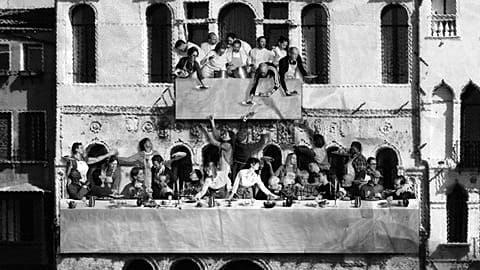


























The Kunstenfestivaldesarts in Brussels is small in budget but big in ambition. Each year, it brings together Belgium’s Flemish and French-speaking communities while showcasing artists from around the world — a fitting opening to the European festival season.
The Kunstenfestivaldesarts in Brussels (KFDA), opening this Friday, will present more than 170 performing arts shows this year on an artistic production budget of just €1 million — a near paradox in today’s arts funding climate.
 ADVERTISEMENT
ADVERTISEMENT
ADVERTISEMENT
The festival, which attracts around 30,000 visitors annually, traditionally kicks off the European performing arts season ahead of Avignon in July in southern France and Edinburgh's international festival in August. But the sector has faced sustained budget cuts across Europe for several years.
“It is a fairly large budget and at the same time extremely limited compared with other festivals in Europe, such as Avignon or others,” co-director Daniel Blanga Gubbay told Euronews Culture. “But it allows us to support the production of artists for shows that premiere during our festival.”
The model relies on keeping venue costs in Brussels low — many spaces are provided free of charge — and on co-productions and partnerships to finance the works of artists.
A truce between Flemish and Wallon communities
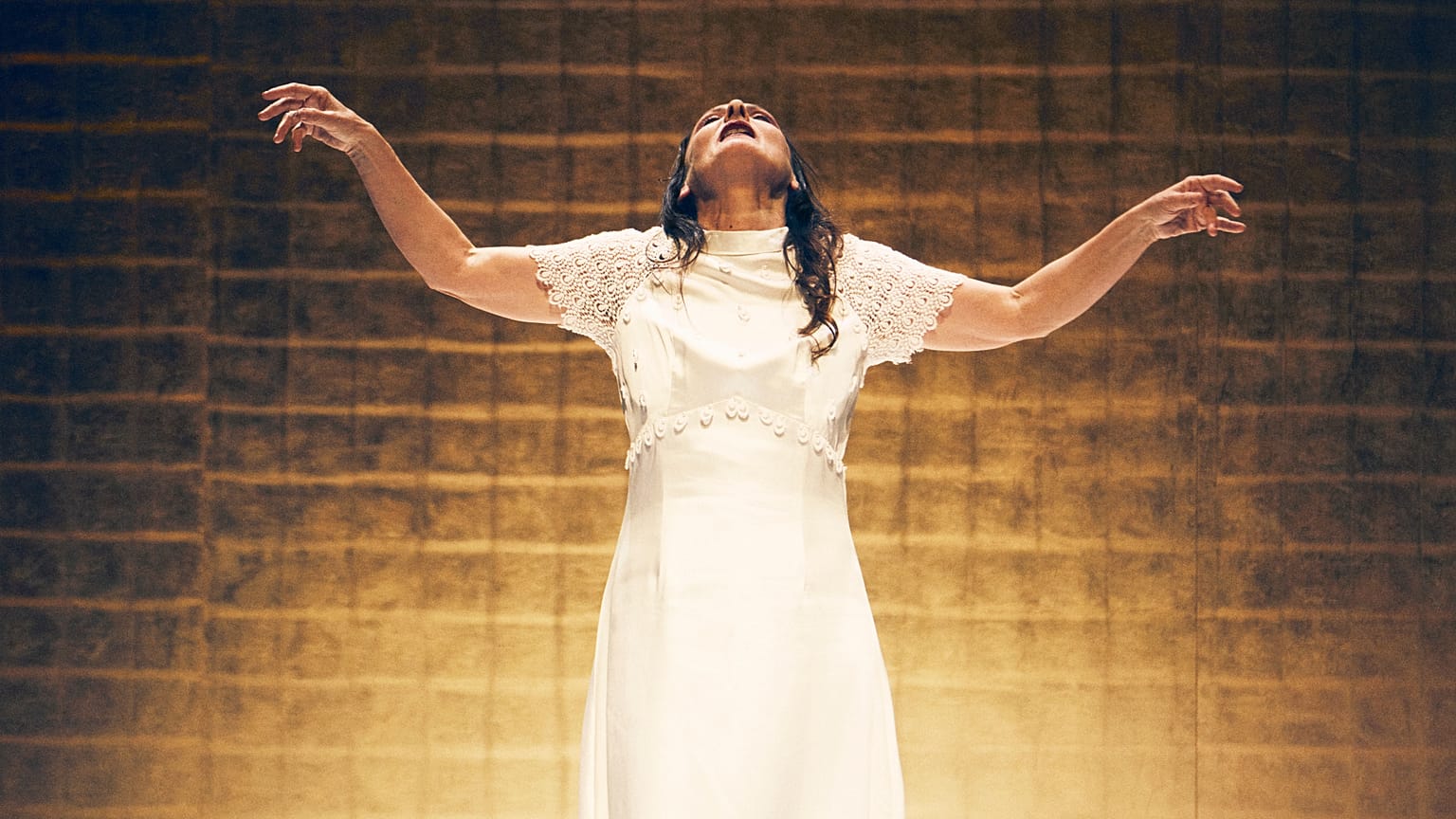
This year’s lineup boasts major names such as Italian director Romeo Castellucci, French choreographer Boris Charmatz and Spanish director Angélica Liddell.
There are also artists presenting in Europe for the first time, including Thai choreographer Thanapol Virulhakul and Indonesian choreographers Leu Wijee and Mio Ishida.
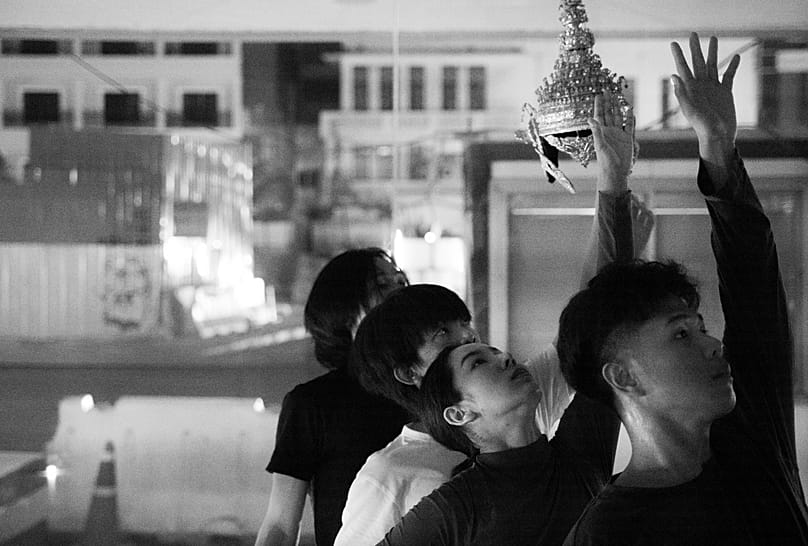
To mount its productions, the festival partners with international institutions such as France’s Festival d’Automne, the Sharjah Art Foundation in the United Arab Emirates and the Taipei Performing Arts Center (TPAC) in Taiwan.
Over the years, the KFDA has consistently showcased artists from around the world. That diversity mirrors the festival’s dual identity, jointly funded by Belgium’s Flemish and Walloon communities. Long at odds, the French and Dutch-speaking regions set aside their differences for a three-week truce during the festival.
“This year, we will have theatre on stage in Farsi, Spanish, Thai... It has always been our intention to maintain this linguistic polyphony on stage. And each production is simultaneously subtitled in French, Dutch and English. It is a huge work,” Blanga Gubbay said.
Now in its 31st year, the festival was founded by Flemish director Frie Leysen, who pushed for an international event bridging Belgium’s linguistic divide.
“She used to say that artists are like antennas, helping us understand what is happening in the world,” added Blanga Gubbay.
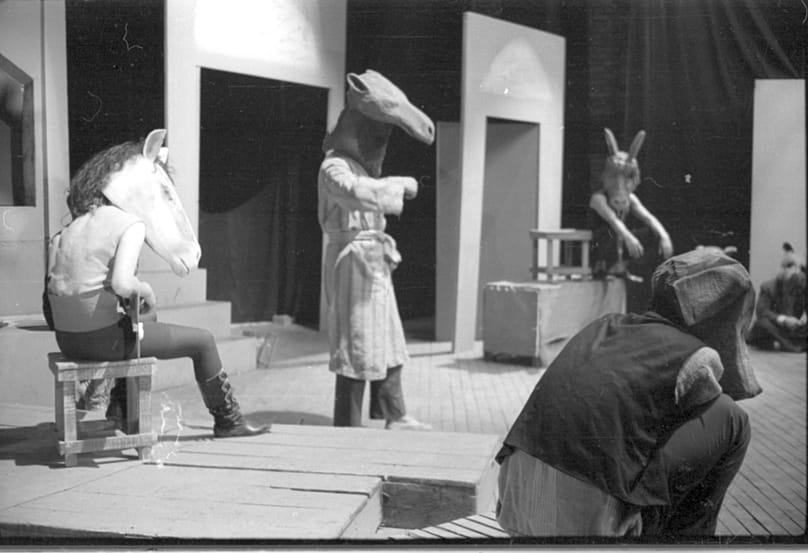
This year’s edition also reflects global tensions. In Prisoners of Love: Until the Sun of Freedom, Basel Abbas and Ruanne Abou-Rahme interlace together poems and songs by Palestinian prisoners, testing the boundaries of Israeli repressive structures. Meanwhile, Ali Asghar Dashti and Nasim Ahmadpour present Noli Me Tangere, where the absence of an imprisoned Iranian actor becomes a striking stage presence, raising questions about theatre as a space of emancipation.
According to Blanga Gubbay, the festival’s most “ambitious” production is A Flower of Forgetfulness by Apichatpong Weerasethakul, which opens on Friday. The Thai director, winner of the 2010 Palme d’Or in Cannes, stages the work at the Brigittines Chapel in central Brussels.
“A large white veil floats through the air of the Brigittines Chapel, as if carried by a constant breath,” the Festival’s programme reads. Across the fabric, projected images appear and fade with the folds and shadows, like fleeting dreams.”