





























A music fan from Chicago taped thousands of concerts over four decades. These recordings are now being uploaded to an online archive that can be freely accessed.
It’s the summer of 1989 in Chicago, and music fan Aadam Jacobs starts to record a live concert with a small Sony cassette recorder in his pocket.
 ADVERTISEMENT
ADVERTISEMENT
ADVERTISEMENT
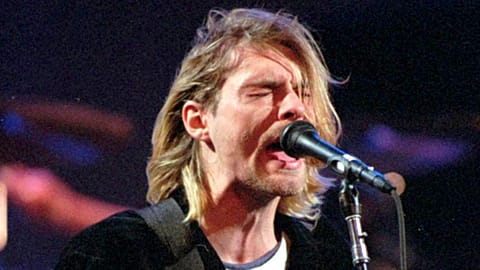
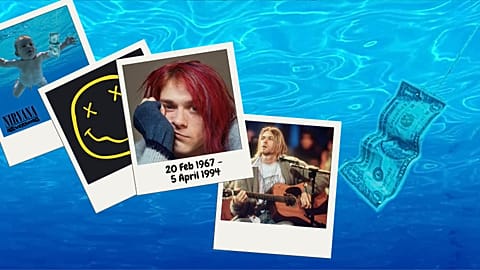
The gig is a fledgling rock band’s debut show at the small club called Dreamerz. Before they start playing, the band’s lead singer announces to the crowd: “Hello, we're Nirvana. We're from Seattle.”
This early tape of the global rock sensation Nirvana, over two years before the release of their celebrated second album 'Nevermind', is one of more than 10,000 concerts recorded by Jacobs.
Now, volunteers in the US and across Europe are organising, digitising, and uploading these tapes onto the Aadam Jacobs Collection, hosted on the non-profit online repository Internet Archive.
The tapes were recorded over four decades and document musical acts from the 1980s through to the early 2000s. From R.E.M. and The Cure to Tracy Chapman, Jacobs' collection is a treasure trove of early-career performances from celebrated artists and hidden gems from smaller musicians.
After filmmaker Katlin Schneider’s 2023 documentary about Jacobs titled Melomaniac (aptly named after someone afflicted with music-mania), a volunteer from Internet Archive reached out to him, asking if he would like to preserve his collection.
“Before all the tapes started not working because of time, just disintegrating, I finally said yes,” Jacobs said.

Jacobs began this labour-of-love in 1984, recording a concert on a Dictaphone-type device that he borrowed from his grandmother. As a teenager who would tape songs off the radio, Jacobs recalls how someone suggested an alternative: “I eventually met a fellow who said, ‘You can just take a tape recorder into a show with you, just sneak it in, record the show.’ And I thought, ‘Wow, that’s cool.’ So I got started."
He purchased a Sony Walkman-style recorder soon after. “I was using, at times, pretty lackluster equipment, simply because I had no money to buy anything better,” he said. Later, Jacobs moved onto digital audio tape and solid-state digital recorders.
Today, digitizing and archiving the numerous boxes of Jacobs’ tapes is a work-in-progress. Once a month, Brian Emerick - who is tasked with transferring the analog recordings to digital files - travels to Jacobs’ house and picks up 10 to 20 boxes, each containing between 50 to 100 tapes.

The digital files Emerick produces are then sent to volunteers who mix and master the recordings before they are uploaded to the online collection. Emerick has digitised at least 5,500 tapes since late 2024.
As for copyright concerns, Jacobs said that most artists are glad to have their work preserved but he’s happy to remove recordings if requested - though only one or two musicians have asked for that till date.
David Nimmer, a copyright attorney who also teaches at the University of California, Los Angeles, said that artists own their live recordings and original compositions under anti-bootlegging laws, but lawsuits seem unlikely as neither Jacobs nor the archive is profiting off of them.

Many of Jacobs’ recordings are of impressive quality, which came as a happy surprise to volunteer engineers like Neil deMause, considering Jacob was not using top-of-the-line recording equipment.
“Especially after the first couple years, he's got it so dialed in that some of these recordings, on, like, crappy little cassette tapes from the early 90s, sound incredible,” deMause said.

As the Aadam Jacobs Collection is slowly and painstakingly being pieced together, melomaniacs around the world can indulge in these time capsules, spanning four decades of musical experimentation and refinement.