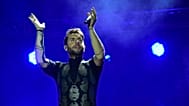

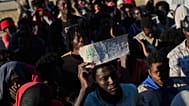













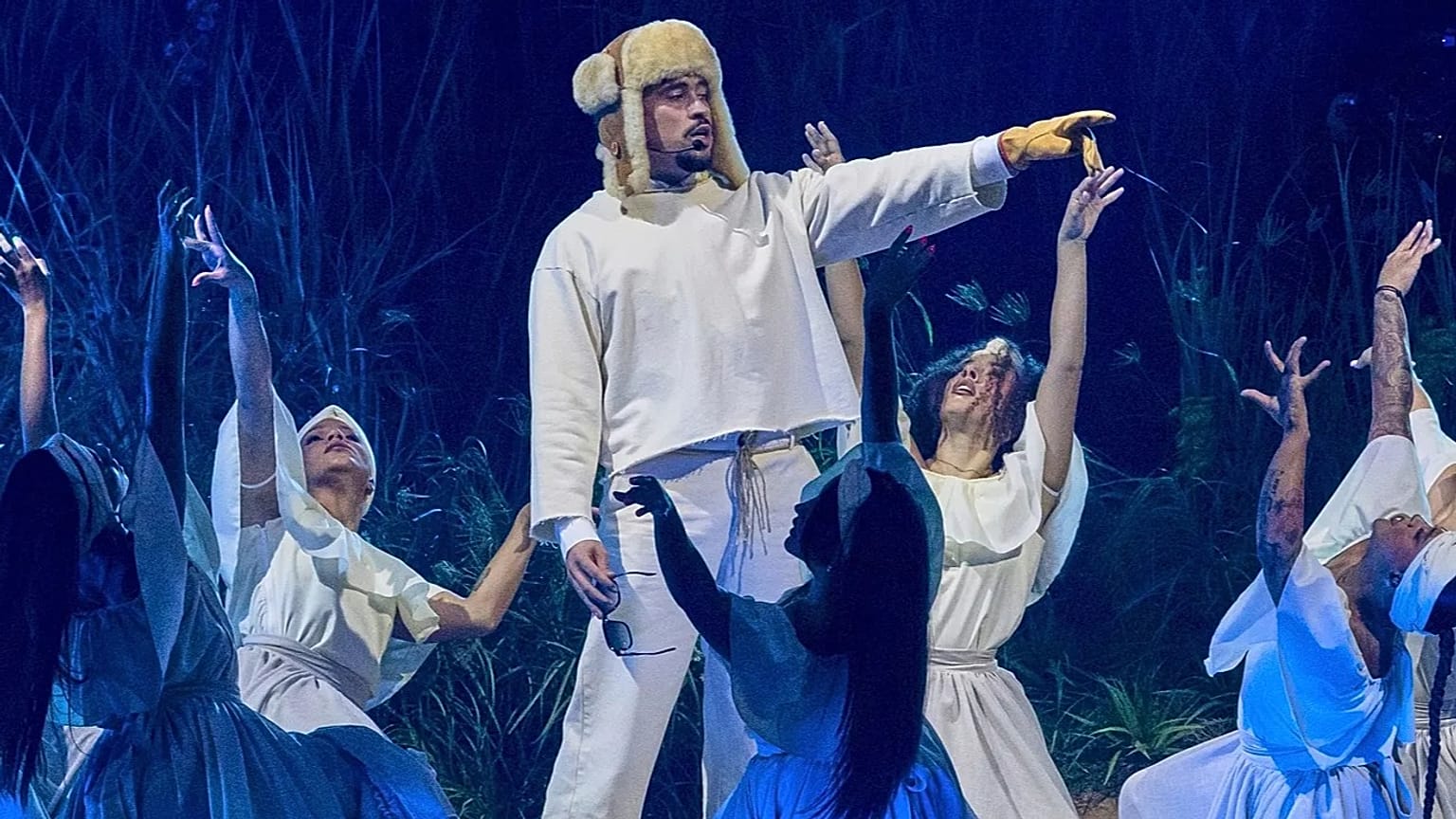













Bad Bunny's an all-Spanish performance at the 2026 Super Bowl coincides with a US immigration crackdown and the resurgence of debates over Puerto Rico's sovereignty and possible reintegration into the Spanish kingdom.
The Levi's Stadium in Santa Clara, California, will not only be hosting tonight's Super Bowl, the conclusion of America's NFL season.
 ADVERTISEMENT
ADVERTISEMENT
ADVERTISEMENT
The all or nothing match is also the centre of one of the biggest cultural statements of the decade with the Puerto Rican rapper Bad Bunny headlining the world famous half-time show.
He's already ripped up the musical milestone book by becoming the first artist to win Album of the Year at the Grammys with a Spanish-language album.
We know his performance will be entirely in Spanish, and that's no small feat. Never before has anything like this happened in the history of the Super Bowl. It's not just an artistic act. It's a key moment in the midst of a period of US history filled with political and demographic tension.
Right now, speaking Spanish has become a symbol of identity, almost an act of resistance. It is the language that the population uses to challenge border control policies and demand solutions to Puerto Rico's status.
Spanish: a language of power on US soil
With more than 65 million Hispanics, the United States now ranks second in the world to Mexico as the country with the largest number of Spanish speakers. Evidence of the language is everywhere, from billboards, big brand advertising, bilingual schools, and of course in what people can watch or listen to via streaming sites.
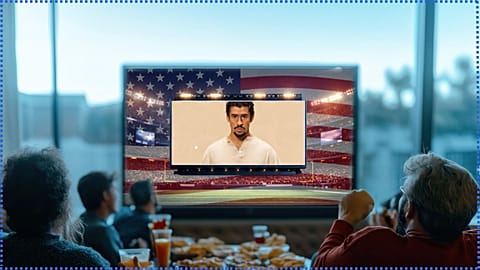
The Super Bowl is America's biggest television event - an enormous cultural moment that echoes around the world, attracting an audience of hundreds of millions.
Yes, Hispanic and Latino artists such as Shakira and Jennifer López have already performed on that stage, but none have ever decided to only sing in Spanish at the event that epitomises the pinnacle of American culture and where English has been the norm. Donald Trump has already made clear that he will not attend the match. A counter protest event has also been announced this week with MAGA supporting acts getting together to make noise in celebration of "American faith, family and freedom."
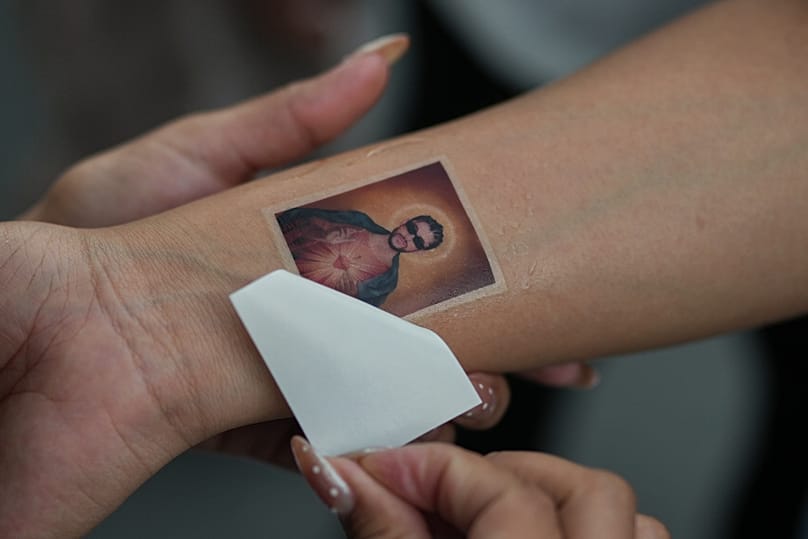
Of course, Spanish taking that space also generates rejection from those who defend 'English Only' as if it were the backbone of the country.
For some, this is the validation they have been waiting decades for. For others, it is a threat, a sign that the country is 'losing' its linguistic identity.
But the figure of Bad Bunny goes beyond music. His voice represents millions of people who have been working and contributing culture for years, even if they're regarded by some as second-class citizens and therefore not a real part of the nation.
The contradiction of visibility: music versus raids
Music connects. It is a way for people to express what they feel, what they think, what hurts or excites them. Many artists use music to protest, to say what others are silent about. Now some musicians are dealing with the harsh reality of immigration raids and police operations that can put an end to both their work and freedom of expression.
The expectation surrounding Bad Bunny's performance coexists with a reality marked by fear, the separation of families and thecriminalisation of undocumented people, many of them part of the same audience that celebrates Latino visibility on global stages.
In contrast, Bad Bunny's presence in one of the most influential media spaces in the world acquires a particular symbolic charge; while Latino culture is exalted and massively consumed, immigration policies continue to put at risk those who sustain it on a daily basis.
The country that idolises an artist who sings in Spanish, that turns him into its pop superstar, is the same country where the authorities have imposed a harsh and violent crackdown on immigration controls.
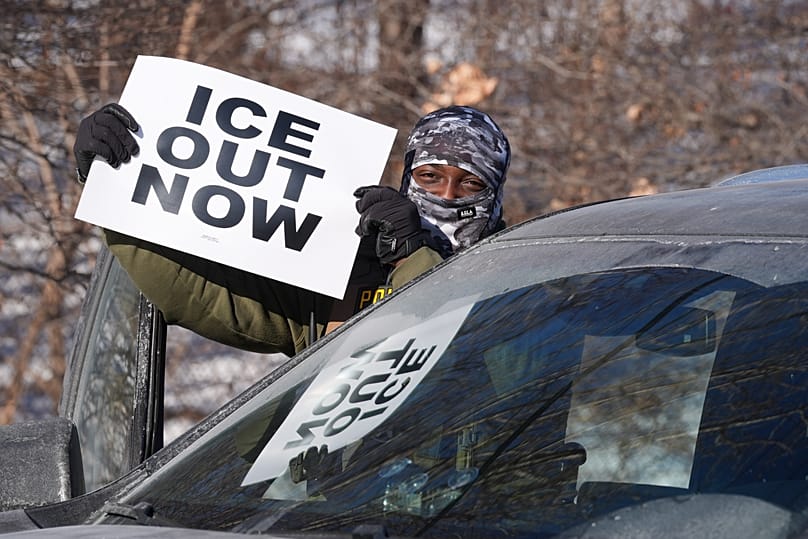
In the last year, Immigration and Customs Enforcement conducted more operations than ever before, hitting mostly Latino communities in key states. Organisations have reported raids on factories, warehouses and entire neighbourhoods. Fear is spreading, even among legal citizens and families with mixed immigration status. All of this is evidence of a deep problem.
Although millions watch games and programmes in Spanish, there is still a lot of mistrust of the language outside of television, for example in job interviews or at police checkpoints. For many, the fact that Bad Bunny does not translate his songs is a way of protesting, of making clear their disagreement with the treatment of migrants.
As the government tightens laws and closes borders, Caribbean music continues to be heard in every corner of the United States. In politics, the tendency is to divide. Music does just the opposite: it unites. Where politicians put up walls, Caribbean music builds bridges.
Puerto Rico's legal and political limbo
Bad Bunny has always had Puerto Rico in his heart. The island has been a commonwealth for decades, and that leaves it in a state of limbo. Puerto Ricans are born US citizens, hold US passports and comply with federal laws, and may even end up in the military.
But, incredible as it sounds, they cannot vote in presidential elections and their representatives in Congress do not even have the right to vote. Puerto Rico is there, forced to comply, but unable to decide. It is a contradiction that weighs heavily.
The reality on the island is complicated, and it doesn't look like it will get better any time soon. Puerto Rico cannot make the most important decisions about its future. This only worsens the economic and infrastructure problems, which were already bad enough. After every hurricane or earthquake, it is clear how vulnerable the island is.
People are tired, they feel used. That contradiction fuels the anger and discourse of artists like Benito, who use their fame to remind people that, in many ways, Puerto Rico is still a colony, even if it flies the US flag.
The historical alternative: the movement for reunification with Spain
In recent years, an idea has emerged that sounds far-fetched to some and logical to others: What if Puerto Rico were once again part of Spain? This is what the Spanish Reunification Movement proposes. It argues that in 1898, when the United States took over the island after the war with Spain, they ignored the will of the Puerto Ricans.
Spain, in fact, had already given them some autonomy in 1897. This movement wants Puerto Rico to return as an autonomous community, like those that already exist in Spain. Their arguments are increasingly appearing in international forums. They argue that the cultural and linguistic connection with Spain would help protect Spanish and prevent it from being diluted by US influence.
Moreover, if Puerto Rico were Spanish, its citizens would gain the rights of any European: mobility, services and labour rights that they cannot even dream of under the American system. Supporters of this plan see an opportunity to right historical wrongs and give Puerto Rico the full political representation it deserves, without sacrificing its Hispanic identity.
Of course, there are those who see it as a nostalgic and unrealistic idea, something impossible to implement. But, one way or another, the movement managed to get the issue onto the UN decolonisation agenda. They insist: Puerto Rico has always been part of the Hispanic family, both legally and spiritually.
A stage that concentrates all tensions
Now, the halftime show must shoulder extra significant weight. When Bad Bunny takes the stage at Levi's Stadium, many people will see more than a show. They will see a symbol of that Puerto Rican identity crisis, a wound that is still raw. The 2026 Super Bowl will be the stage where big issues intersect: the rise of Hispanic culture, the immigration debate and Puerto Rico's political situation.
For many, the moment will provide a moment to think about issues of representation and belonging that are rarely discussed openly. And the simple gesture of singing in Spanish, in front of millions of people, is not just a celebration of an artist's success. It is a declaration: language is a territory that cannot be deported or silenced, regardless of borders or laws.