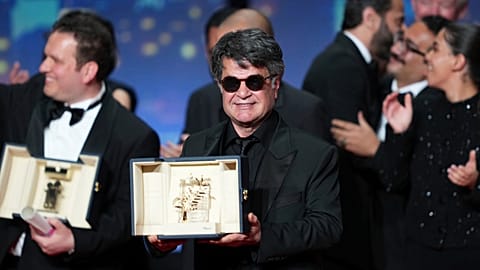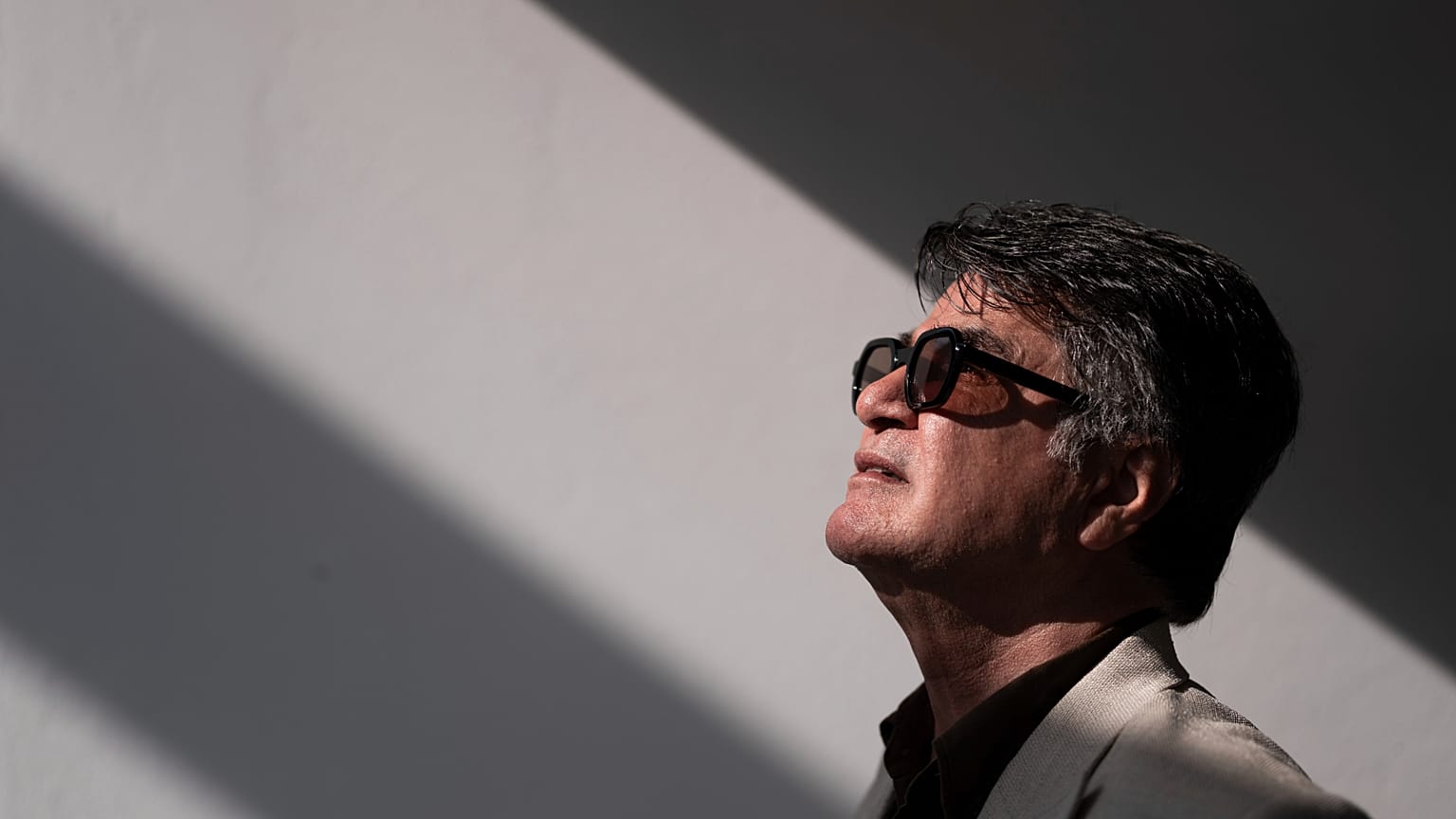













Jafar Panahi, a renowned Iranian film-maker, is urging the international community to help Iranian people because he says the Islamic Republic has lost its legitimacy and will stop at nothing to survive.
Jafar Panahi, the Palme d'or winning director whose film 'It Was Just An Accident' is among the leading contenders for the 2026 Oscars in the international feature category, has called for urgent help from the global community for the people of Iran.
 ADVERTISEMENT
ADVERTISEMENT
ADVERTISEMENT
In an interview with TheWrap, the Iranian filmmaker said he believes that the regime in Tehran has reached an impasse and, because its survival is at stake, will resort to anything.
Panahi went on to voice grave concern over the complete shutdown of internet and phone services in Iran in recent days, saying: 'When they cut the internet entirely, we knew what was coming, because that means a slaughter is on the way. Every minute of delay in relief efforts means more innocent people are killed.'
He added that this time the protests are unlike previous years, because all segments of society have taken to the streets, and if they lose hope now, standing up to this government in the years ahead will be far more difficult.
Tools of repression
On Sunday, as he was preparing to attend the Golden Globes, Panahi couldn't ignore videos of the crackdown in Iran. 'They told me not to watch the videos, but I couldn’t resist, and I felt terrible all day,' he said. According to Panahi "the Islamic Republic, having lost all legitimacy, is now resorting to the most brutal instruments of repression."
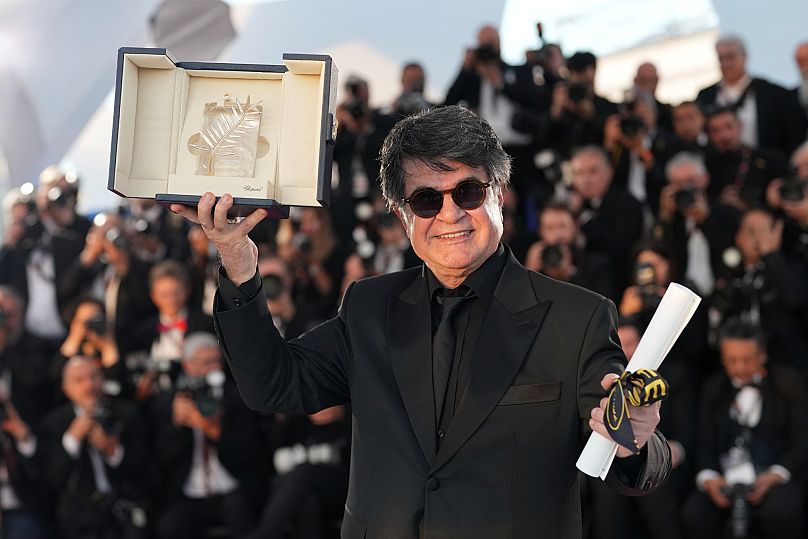
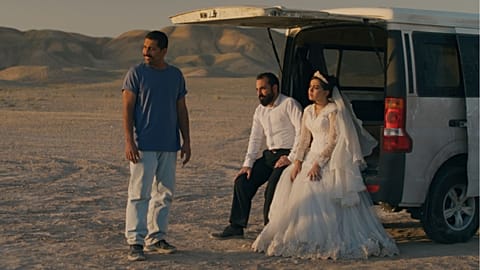
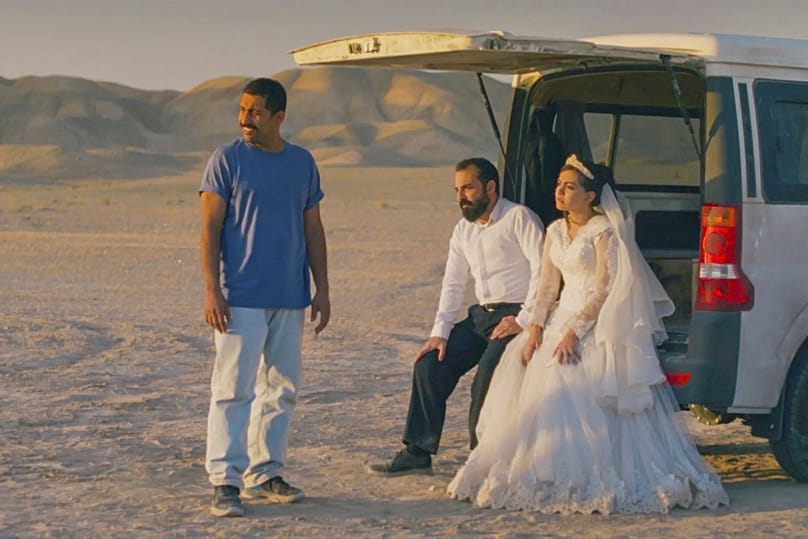
Panahi’s latest film, It Was Just An Accident, was shot in Iran without a permit. It tells the story of five ordinary Iranians who encounter a man they think was their former jailer.
Nominated in four categories at the recent Golden Globes, Panahi earned nods in two key areas, Best Director, competing with figures such as Paul Thomas Anderson and Guillermo del Toro, and Best Screenplay, but ultimately came away empty-handed.
Panahi’s film was also nominated for Best Film in the drama category and Best Foreign-Language Film.
It Was Just An Accident has also been selected as France’s submission in the Best International Feature category for the 98th Academy Awards.
Panahi’s 14-year ban on leaving the country
From late spring 2023, after 14 years of being barred from leaving, Jafar Panahi was finally able to depart Iran. In recent months he has been continuously abroad, particularly in the United States and France, to promote It Was Just an Accident during awards season.
A new sentence of one year in prison and a two-year ban on leaving the country for Jafar Panahi was issued in Azar 1404, corresponding to December 2025. The ruling was handed down in absentia while Panahi was outside Iran. The charge in this new case is 'propaganda against the state'.
Despite the ruling and potential risks, in an interview on Monday, Jafar Panahi once again stressed that he intends to return to Iran after the Oscars in March.
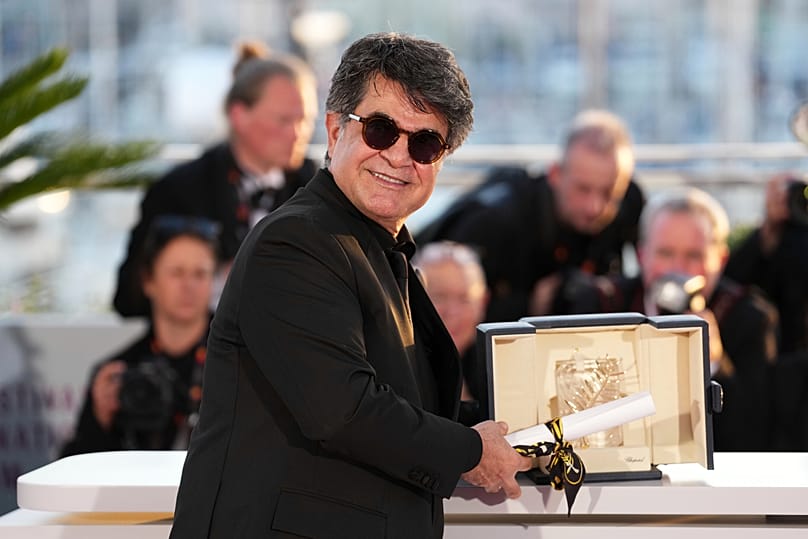
Asked whether the global fame of his film would protect him or make him a bigger target, he said candidly: "When you see people being killed, wounded and arrested in the streets, you no longer think about such things. I only ask all the people of the world, journalists and human rights organisations to do whatever they can; right now."
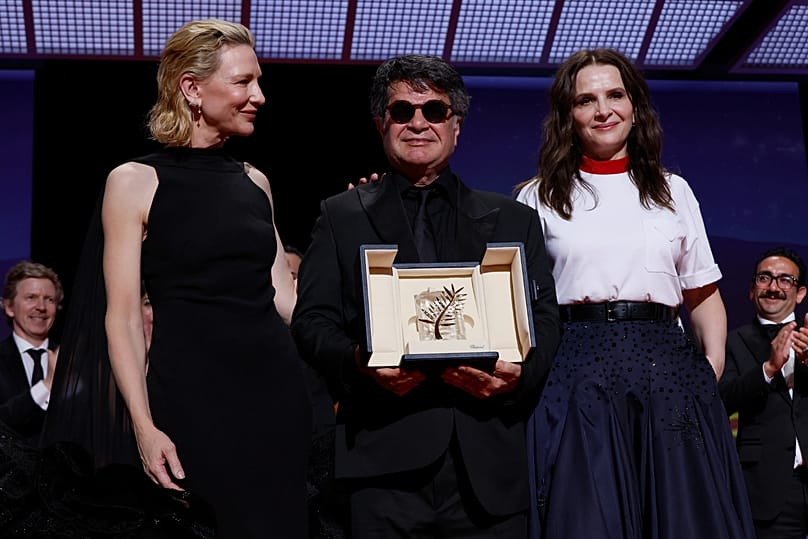
Panahi is more than a director; he is a symbol of 'resistance cinema'. With a realist style and a focus on social issues and women’s rights, he has collected top prizes from three of the world’s leading festivals, including Cannes, Berlin and Venice.
His works include The White Balloon (1995), winner of Cannes’ Caméra d’Or; The Circle (2000), winner of Venice’s Golden Lion; Offside (2006), winner of Berlin’s Silver Bear; Taxi (2015), winner of Berlin’s Golden Bear; and No Bears (2022), winner of Venice’s Special Jury Prize.
With a bold gaze, Panahi’s cinema turns its lens on the darker corners of women’s lives, trapped in the grip of unequal laws and social judgements; from the women in The Circle, wandering in a perpetual dead end, to the girls of Offside, forced into a daily struggle to secure the most basic rights, such as entering a stadium.
With a realist approach, Panahi has managed to reflect the intertwined suffering and struggle of Iranian women in his films.