




























A new Berlin-based radio station named after jazz legend Ella Fitzgerald is aiming to revive the genres fortunes. As the music used to be an expression of rebellion, emancipation and social protest, the launch says more about our times than you might imagine, writes Diana Resnik.
Berlin - once a focal point of unleashed lifestyles and musical freedom and frenzy - had a dishonourable distinction of not having its own jazz radio station until recently.
 ADVERTISEMENT
ADVERTISEMENT
ADVERTISEMENT
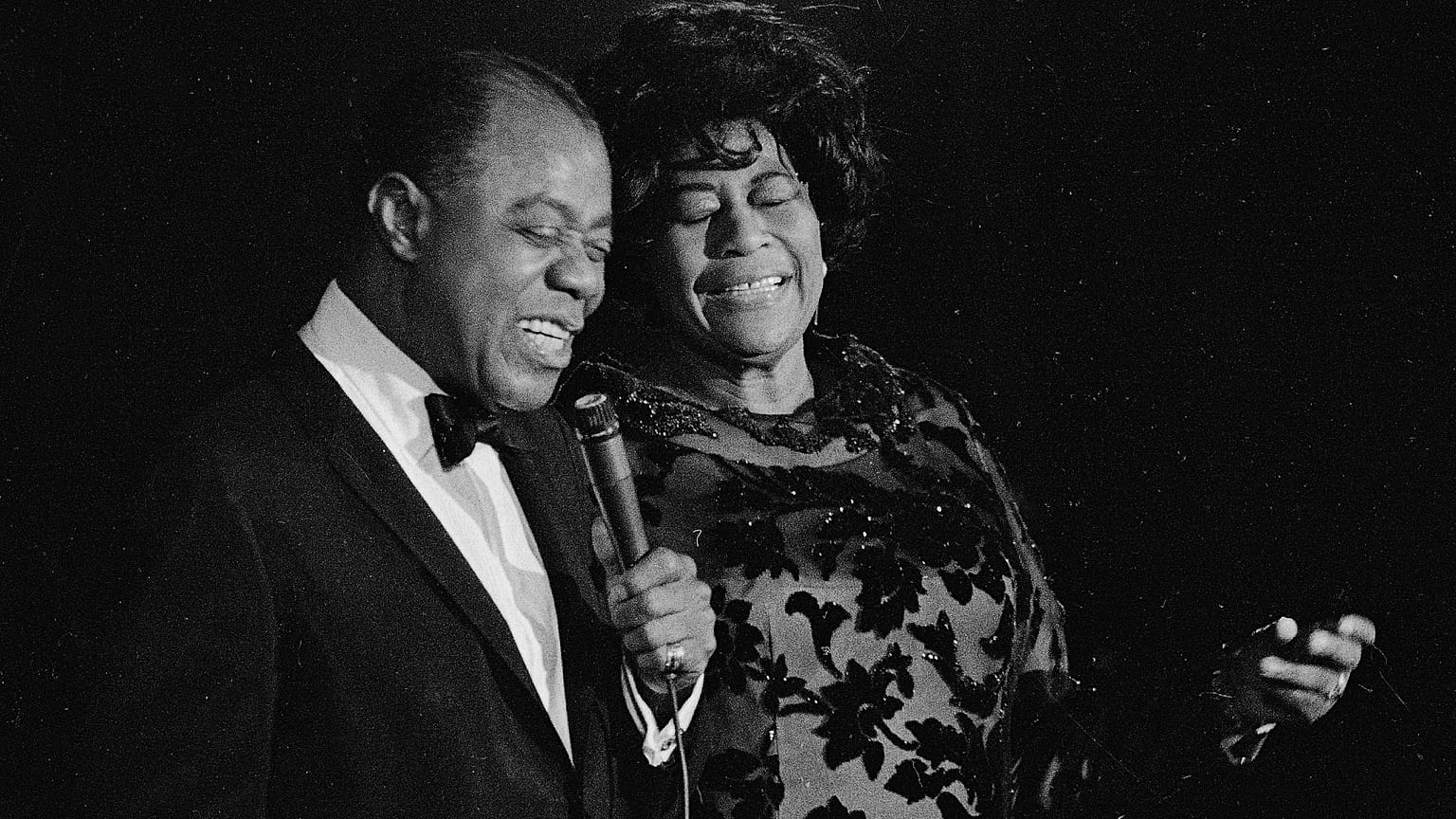
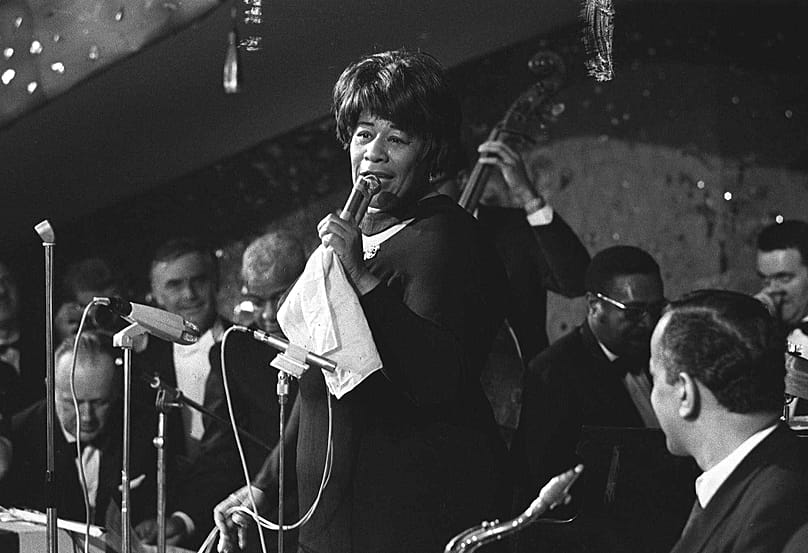
This is now changed with the launch of "Ella", a new network named after the 'Queen of Jazz', Ella Fitzgerald, which began broadcasting on Monday in the presence of Culture Minister Wolfram Weimer.
"The jazz scene in Berlin now has the chance to flourish," says Ella boss Oliver Dunk. "It's always been a lifelong dream of mine to do something in the fields of jazz, soul and blues - three things that can't be separated."
In the golden 1920s, jazz and swing conquered the Germany capital's clubs and pubs. The Weimar Republic breathed a sigh of relief, revitalised by a new kind of music that Hermann Hesse described in his novel Steppenwolf as "raw wildness" and "honest sensuality".
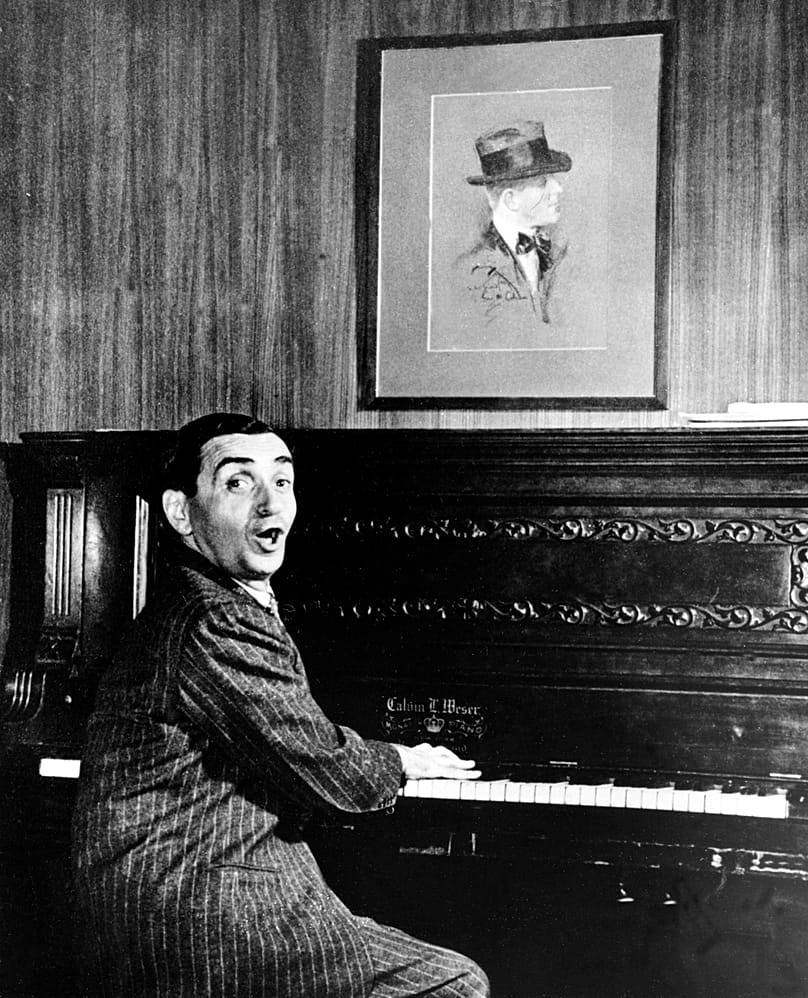
The music originated in the southern states of the USA and was created as a fusion of African-American sounds and European music.
"What I find inspiring about jazz is that this style of music builds bridges and connects very different cultures," says Dunk.
As if by chance, radio, a new medium emerged in 1923. This meant that jazz music could also be broadcast live. Well-known musicians such as Louis Armstrong could now be heard directly in living rooms and had a significant influence on jazz singing.
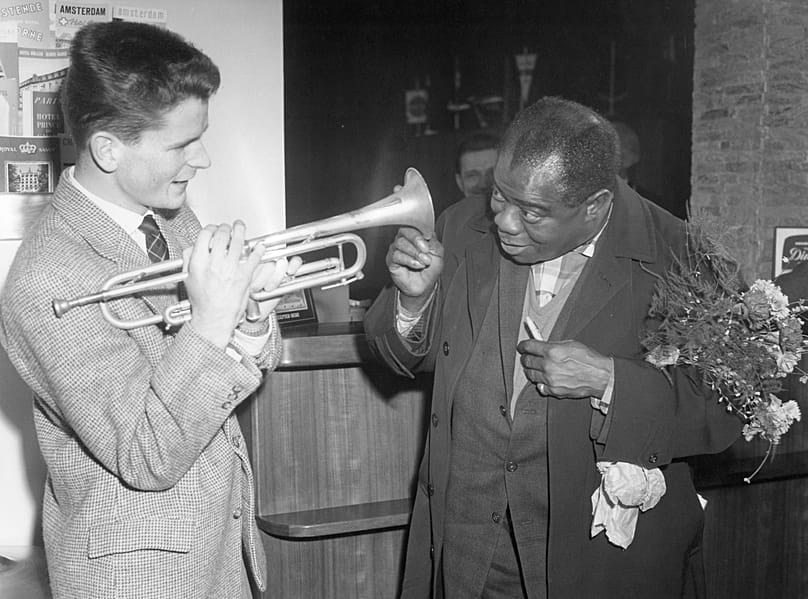
But jazz is not just about Louis Armstrong, says Dunk. "It's beautiful music with an incredible breadth," and that's what Ella wants to portray in its programme.
Is Berlin now experiencing a jazz upswing like in the golden twenties? "We want to contribute to this....and be part of the jazz scene." adds Dunk. Ella wants to prove that jazz is still highly regarded, both socially and politically.
Jazz already had a political dimension in its origins. The music was an expression of rebellion, emancipation and social protest.
Today, Dunk sees certain parallels with the 1920s in terms of political developments: "My fear is that history will repeat itself."
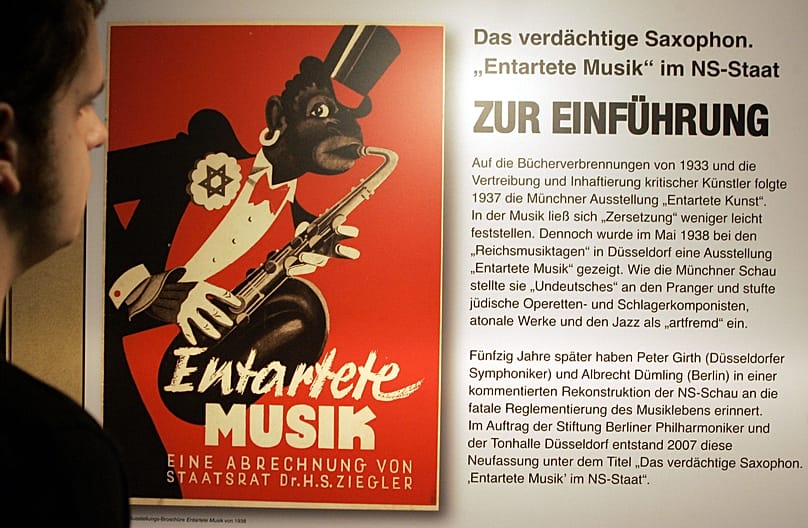
After Adolf Hitler came to power in 1933, jazz was to be "eradicated" as "foreign music". After the establishment of the so-called Reich Music Chamber, the first bans and reprisals followed.
Today, jazz no longer plays such a major role in the musical preferences of most Germans. Pop songs dominant more than 50 per cent of the market, according to Dunk who believes jazz is seen by many as atonal and weird but deserves more publicity and more acceptance.
"Germans tend to look back at the old favourites, like Uschi Brüning and Manfred Krug," says Dunk. But there are also newcomers: "For example, we have Lisa Bassenge - a great musician - and Martina Barta, she's insanely talented."
This is exactly what Ella wants to offer: In addition to the live radio station, there is a website offering different types of jazz. "The radio is the taster channel for the great jazz world of Ella," he adds.
Dunk remains realistic about his ambitions: "It would be presumptuous to believe that a small radio station can change things, however, every journey begins with a first step."
If you want to immerse yourself in the world of jazz, soul and blues, you can find Ella Radio on the FM frequency 91.0 MHz in Berlin and on 90.7 in Potsdam.