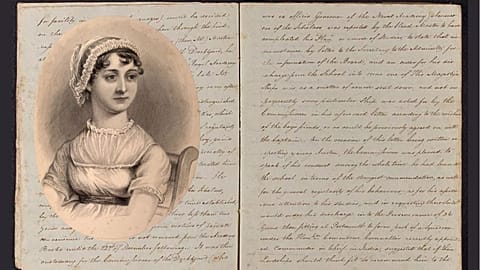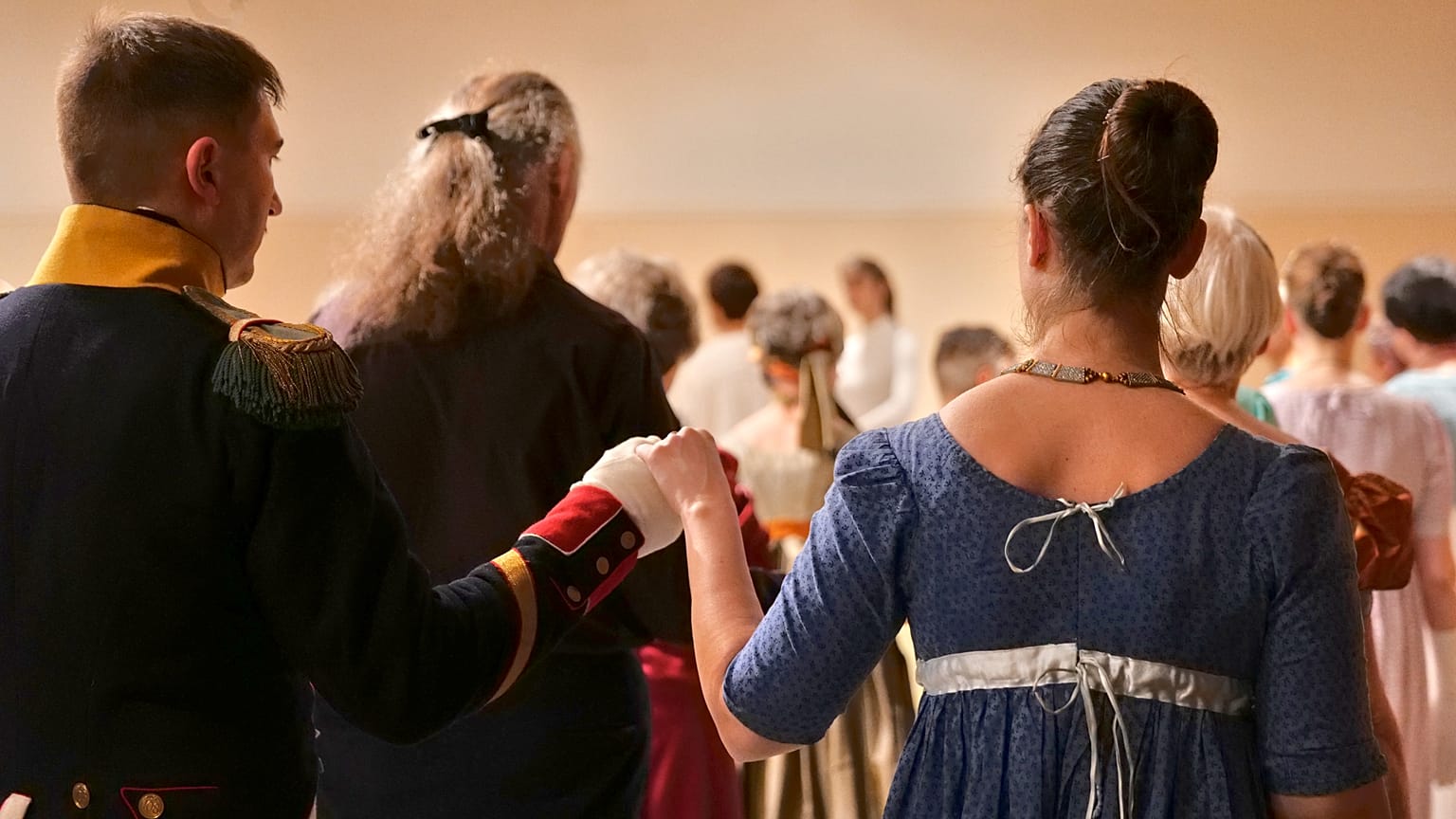














Fans of English novelist Jane Austen are celebrating her birth 250 years ago, on 16 December 1775. Nowadays, she's a pop culture phenomenon and, with 'Austenmania' spreading, French "Janeites" have been gathering for a Regency-themed ball to re-enact dancing scenes from her beloved books.
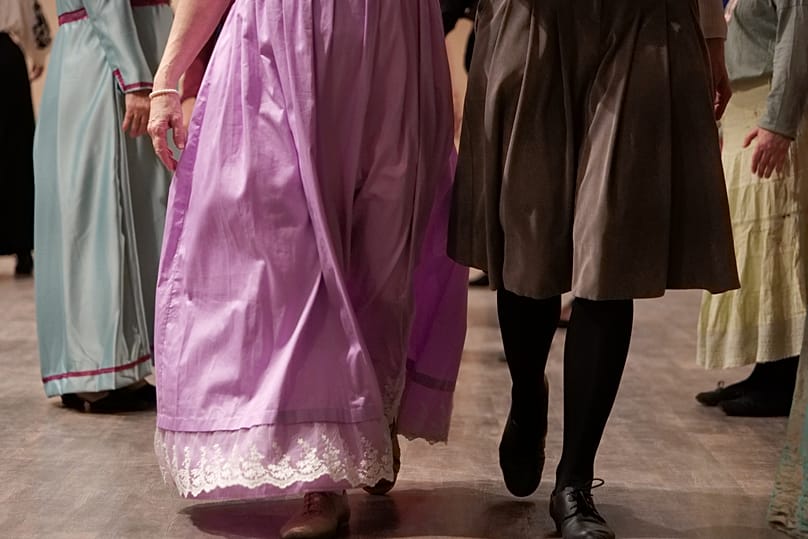
A group of ladies and a few gentlemen in Regency-era formalwear stand in two lines facing each other. They perform bows and curtsies before engaging in a precise choreography.
 ADVERTISEMENT
ADVERTISEMENT
ADVERTISEMENT
The hushed noise of dresses and ballet shoes on the floor stands out faintly over a classical air of pianoforte, strings and flute.
One would almost expect “Pride and Prejudice” characters Elizabeth Bennet and Mr Darcy to join the party.
This is not an assembly room in early 19th century Bath, but a Parisian community centre in 2025.
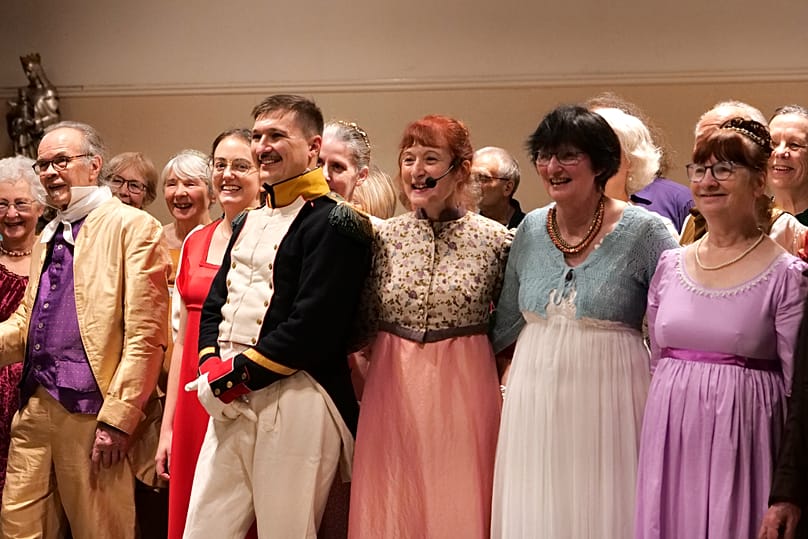
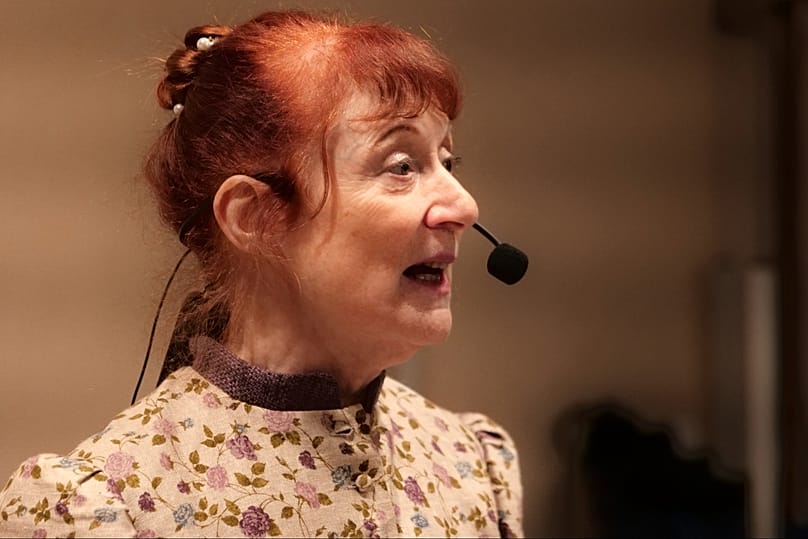
Some 50 people gathered in the French capital last weekend for a fancy-dress ball in honour of the late English writer Jane Austen. The event was organised by dance teacher Cécile Laye, who specialises in English country dances with her company Chestnut.
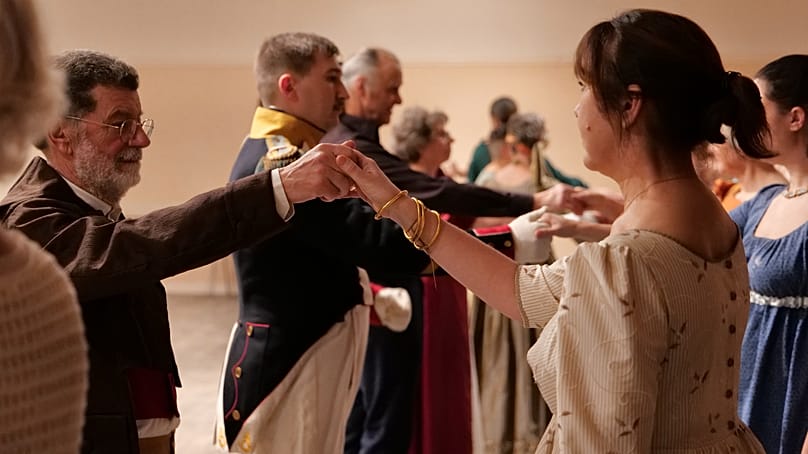
“I have been dancing for five years now, performing various historical dance styles. What I enjoy about Regency-era dances is that I feel as though I am reliving a scene from one of Jane Austen's novels,” said 47-year-old participant Virginie Ussi.
The ball came ahead of the 250th anniversary of Austen’s birth this Tuesday. Over the centuries, the pioneering novelist has become a pop culture phenomenon and has gained a community of dedicated fans in the United Kingdom and beyond.
Some of these ‘Janeites’ — mostly women — have found a way to express their love for the famous author through historical dancing.
“Jane Austen loved to dance. […] At that time, dancing was a skill that wellborn people, and everyone else for that matter, needed to have,” Cécile Laye told Euronews Culture.
“She loved dancing so much that all of her novels include very long dance sequences, with dialogue that really moves the plot forward.”
Balls in Regency costumes are now well-established in Austen’s native England, but the phenomenon has gained particular resonance in France during this anniversary year.
Events like the Chestnut ball allow Austen fans to immerse themselves in her world and to adopt codes of the late 18th century English gentry.
Steppin' out
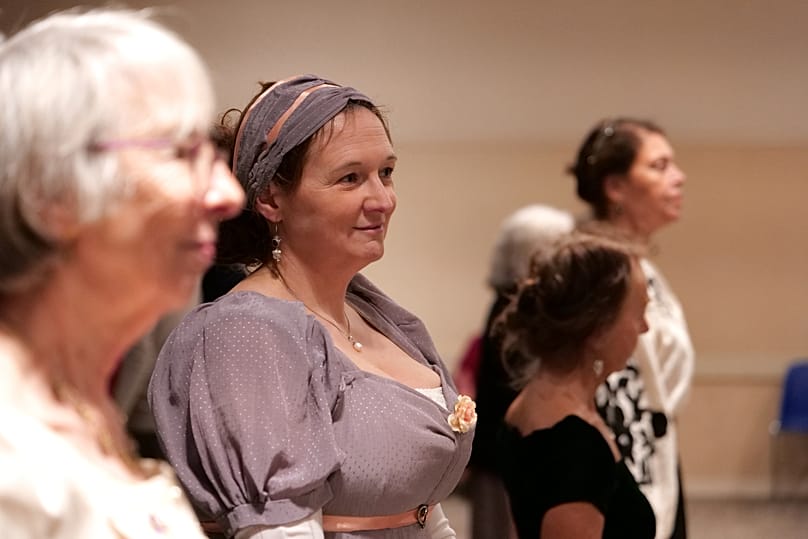
As the choreography takes shape on the floor, the demeanour of the Chestnut dancers changes.
They adjust their posture, and offer gracious smiles and polite tilts of the head to their partners, as if bewitched by the spirits of Emma Woodhouse and Anne Elliot.
After being dragged along into a dance, we can confirm that performing turns and twirls does make one feel particularly ladylike.
Wearing a high-waisted dress or a tailcoat only helps that feeling.
“Dancing in costume really allows you to perform the movements as if you were a woman of the Regency era, with all its restrictions and advantages,” 42-year-old Vanessa Bertho told Euronews Culture while waiting for her time to dance.
This primary school teacher and “Sense and Sensibility” devotee purchased her long blue dress at the Jane Austen Festival, which gathers Janeites from around the world each September in the south-western English city of Bath.
Some fans even use the thread and needle themselves, like Virginie Ussi, who sported her hand-sewn purple Empire-style garment for the Chestnut ball. “I based my design on a period illustration. I had the fabric, so I worked from a historical pattern, trying to reproduce the reference,” she explained.
“Wearing a costume makes you feel even more like you're travelling back in time for the duration of a weekend,” she added.
'Austen Power'
The structure of Cécile Laye’s ball also mirrors the formality of Regency events, where respecting social norms took priority over enjoying oneself. At the time, participants were invited to regularly change partners, as dancing more than twice with the same person signalled marital commitment.
“It really was the moment when matters of marriage were being dealt with,” said Laye.
Jane Austen herself never married and remained committed to both her family and her craft.
She burst onto the literary scene in 1811 with her first anonymously published book, “Sense and Sensibility.”
She went on to complete six novels, all of which have become beloved classics. “It’s like with comfort movies. Jane Austen’s world is safe and comforting,” said Claire Saim, who co-wrote the book “Jane Austen: Visual Encyclopedia.”
“She found her own literary voice, which is still understandable today.”
But it was the 1995 BBC adaptation of “Pride and Prejudice” that truly “marked the beginning of ‘Austenmania’ as we know it,” journalist Constance Jamet writes in the manifesto “Austen Power.”
The TV series famously featured Colin Firth as Mr Darcy emerging out of a pond in a wet shirt. About 11 million people watched its original UK broadcast. Austen-inspired dance groups emerged soon after.
“People really love that feeling of connecting to what they’ve seen in the films,” said Charlotte Cumper from the UK-based Jane Austen Dancers of Bath. “They watch the adaptations and think ‘I want to dance like that.’”
Balls, Bridgerton and Bridget Jones
In the past 30 years, Jane Austen has become an object of pop culture. Her work has been adapted many times for the screen, sometimes very loosely, from the 1995 teen movie Clueless to the Bridget Jonessaga or the 2016 Pride and Prejudice and Zombie.
In 2020, the release of the Netflix series Bridgerton spurred a renewed appeal for Austen’s regency era.
The author is also a social media favourite. The hashtag #JaneAusten has hundreds of millions of views on TikTok, with users sharing book reviews, video edits from their favourite film scenes or even memes.
“You don't have to get into Jane Austen through academia, by doing an English degree or a PhD about her. No, you can enter her world through Bridgerton,” said Claire Saim.
Participants in Regency balls also reflect this diversity. “We've got some members who probably haven't even read one of her books,” said Charlotte Cumper.
“I came to it through a love of Jane Austen […]. We have people who come through the historical dance route. […] A lot of people come through costume. […] Some people just want to find a hobby, and this is what they stumbled across and that looks like fun,” she went on.
France is only recently catching up with ‘Austenmania.’ As classics professor Marie-Alix Hediard explains in “Austen Power”, the novelist’s reputation on that side of the Channel suffered from early translations that diminished the complexity of her work in favour of enhancing romance plots.
But the tide is starting to turn, with French fans working to build a structured community. Claire Saim co-created the Jane Austen Society of France in April.
Regency balls are spreading throughout the country, to great success. In Ligueil, a town with 2,200 residents in central France, the public library organised a first weekend “in the footsteps of Jane Austen” last January.
The centrepiece of the event was once again a ball. Organisers expected 30 people and eventually welcomed 120 dancers, prompting the library to plan a repeat of the experience in 2026.
“We didn't think the event would be this popular,” said dance enthusiast Fred Delrieux, who volunteers at the Ligueil library. As dancers, “we're playing a role, and I think that's what people appreciated last year, and why they're coming back.”
“Perhaps people want to escape reality too,” he added.
Back in Paris, as the Chestnut ball concluded, participants were already looking forward to their next Regency event.
Jane Austen might be 250 years old but her readers' love for her world and her characters is as vibrant as ever.