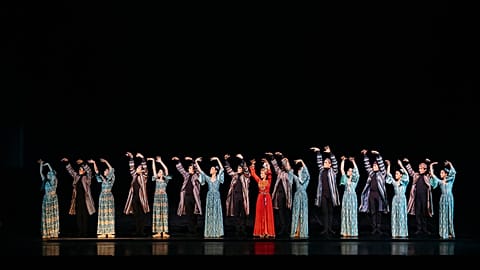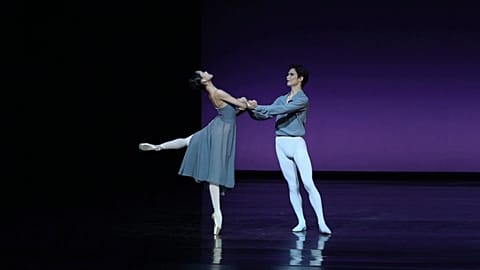
















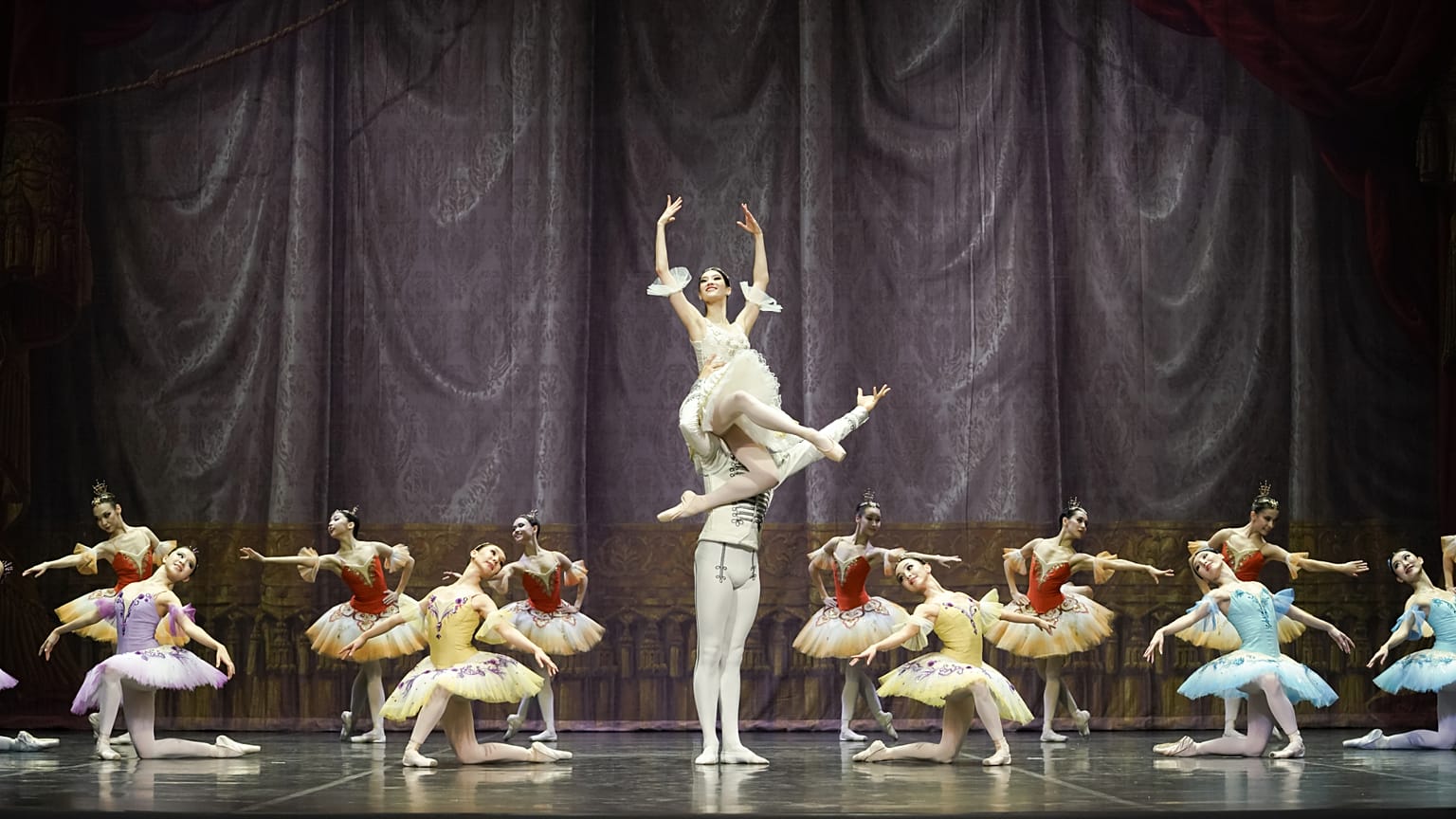













Berlin State Ballet and American Ballet Theatre stars led the IV Freedom Festival with "Paquita" staged by Altynai Asylmuratova in Kazakhstan, while the Berlin Ballet Company’s contemporary program explored the future of ballet.
On two major Kazakh stages — in the capital Astana and in Almaty — the IV Freedom Festival unites some of the most prominent names from the world of ballet.
 ADVERTISEMENT
ADVERTISEMENT
ADVERTISEMENT
Star performers from the Berlin State Ballet and the American Ballet Theatre joined forces with Astana Opera and the Berlin Ballet Company to present a two-act program: a classical staging of Paquita followed by a series of contemporary works. Tickets for the festival quickly sold out, a clear sign of the growing demand for world-class ballet in Kazakhstan.
Act I: Classical Paquita
The first evening opened with Paquita, staged by Altynai Asylmuratova — People’s Artist of Russia, former prima ballerina of the Mariinsky Theatre, the Royal Ballet, the Marseille National Ballet and currently the Artistic Director of Astana Opera.
“She’s exquisite — one of my favorite ballerinas to watch,” said Chloe Misseldine, Principal Dancer of the American Ballet Theatre, who performed the title role.
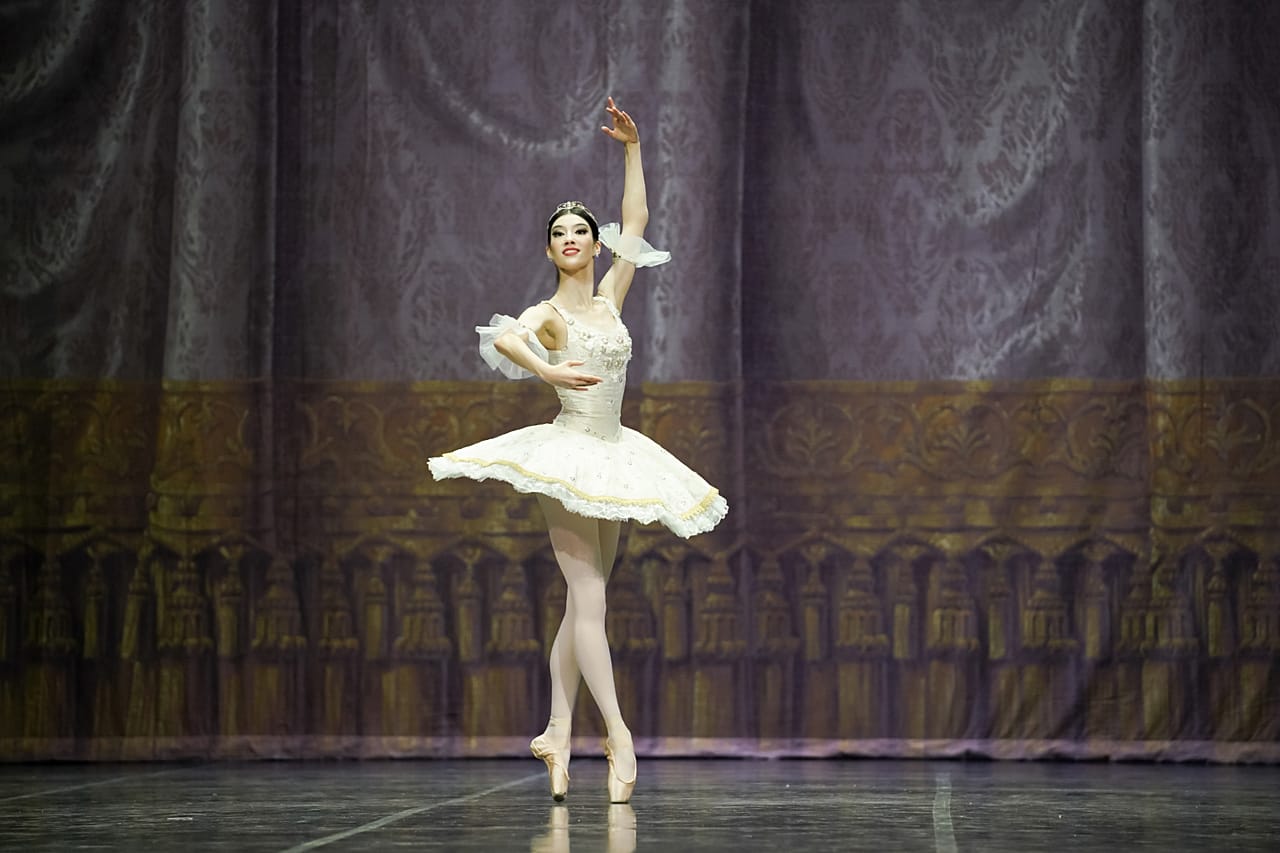
The international cast arrived in Kazakhstan only a week before the festival and had to travel from Astana to Almaty, leaving little time for rehearsals. For Misseldine, however, the compressed schedule was not a challenge: she had danced this timeless masterpiece two years earlier and immediately felt at home in the role again.
At the press conference, Martin ten Kortenaar — Principal Dancer of the Berlin State Ballet, performing Lucien d'Hervilly — noted that despite the tight schedule, rehearsals were smooth and focused.
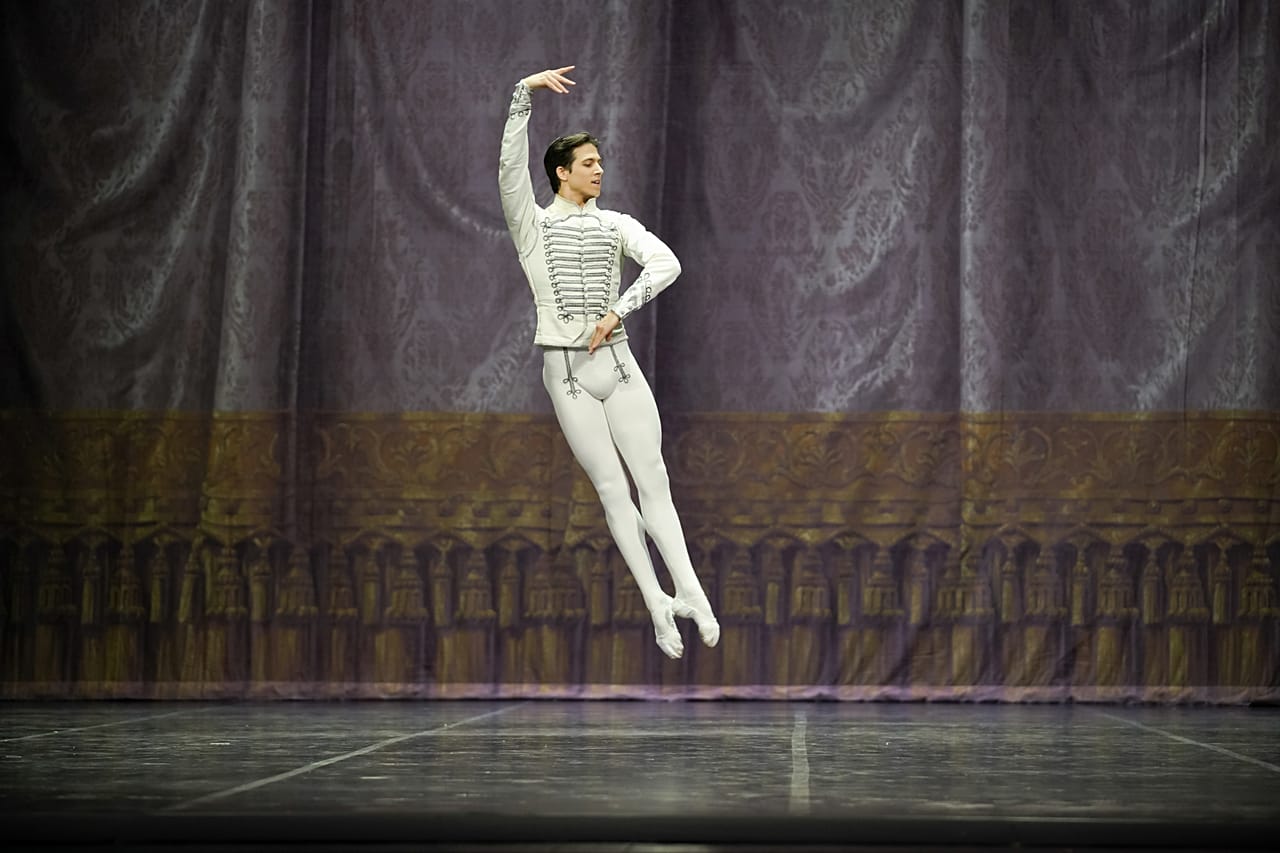
Both he and Misseldine are accustomed to international collaborations, which they see as vital to their artistic development. “It’s always nice as a dancer to be able to travel and work with other dancers,” he said. “For me, it opens my eyes to the rest of the ballet world.”
The performance itself was a model of academic precision: the leading roles were delivered with both technical clarity and artistic grace, the corps de ballet was polished and confident, and the audience responded with enthusiastic applause and shouts of “Bravo!”
Act II: Contemporary Program — CHOREO X
The second act transitioned into contemporary territory, where the Berlin Ballet Company — joined by guest artists Chloe Misseldine and Martin ten Kortenaar — performed works that were sensual, vulnerable, passionate, and boldly expressive. Each piece conveyed its own emotional language, yet together they formed a cohesive and compelling narrative. In contrast to the classical tradition showcased in Act I, Act II explored the current landscape of ballet and pointed toward its future.
Arshak Ghalumyan, director of the ensemble, emphasized the importance of these artistic exchanges: “Creating cultural bridges is invaluable — for Kazakhstan, for international companies, for everyone. Knowledge exchange is the only way we can grow and evolve together.”
The act culminated in GOOD OLD MOONE, a bold performance in which dancers eventually began to scream — a raw, cathartic outburst repeated until its energy became almost contagious. For a moment, it felt as though the entire audience might join in. The sense of release was palpable, and the hall erupted in applause.
Beyond the stage
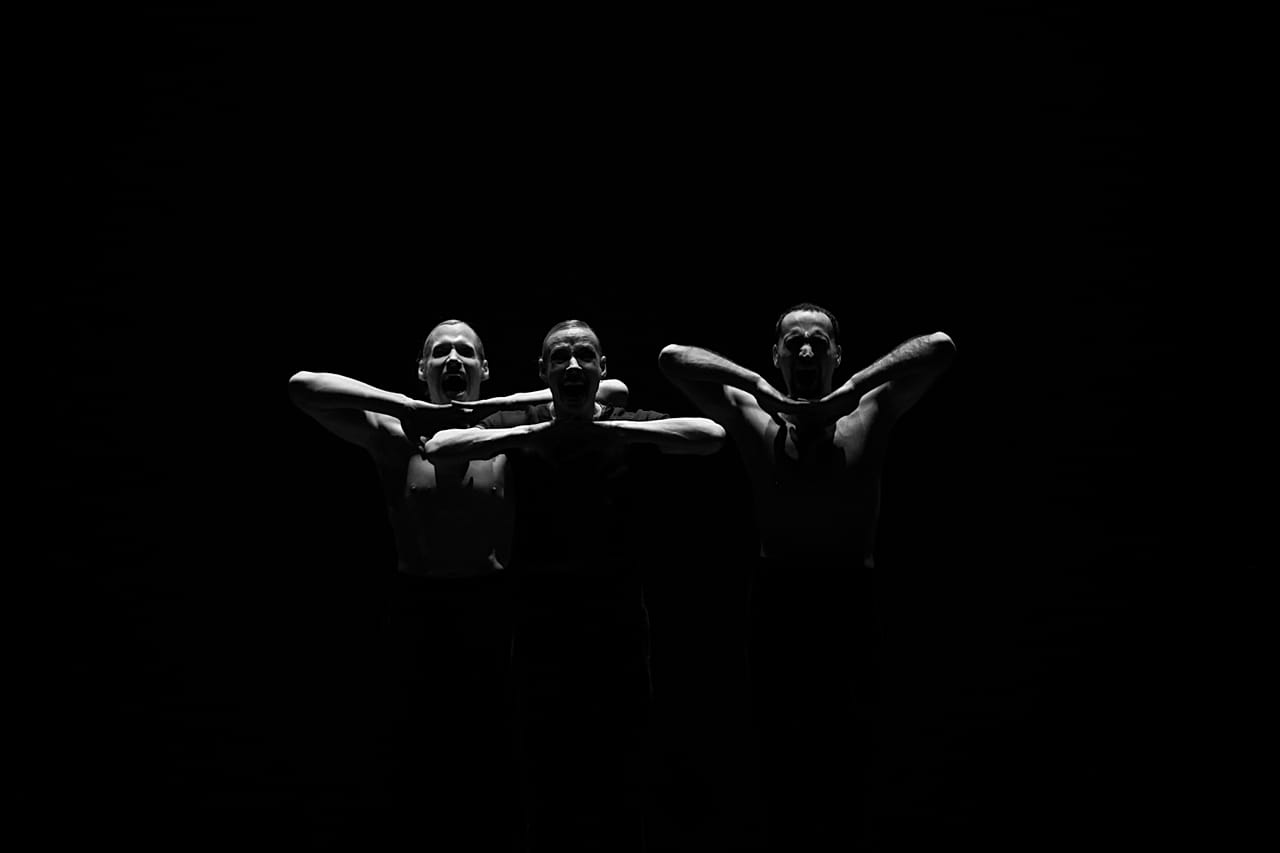
This marks the Berlin Ballet Company’s third appearance at the Freedom Festival, and each time the ensemble brings fresh material. Several pieces this year were premieres, showing the company’s commitment to experiments and artistic evolution.
The festival also featured a contemporary art installation by Kazakh–Uzbek artist Aziza Shaden, previously presented at this year’s Bukhara Biennale in Uzbekistan.
Over its four editions, the Freedom Festival has grown into a tradition that brings together multiple art forms and modes of self-expression, creating a platform for dialogue, inspiration, and artistic evolution.