




























Can the International Monetary Fund finally help Africa break out of its multi-generational loop of rescue and repayment and here is how Nigerian businesses are using stablecoins to bypass traditional banks to fight inflation.

As the Paris Club marks another anniversary, many African countries are once again facing rising debt pressures.
 ADVERTISEMENT
ADVERTISEMENT
ADVERTISEMENT
Despite decades of debt relief programmes, structural reforms and IMF support, debt crises continue to resurface across the continent. Governments are under pressure to fund infrastructure, energy and climate projects while keeping borrowing under control.
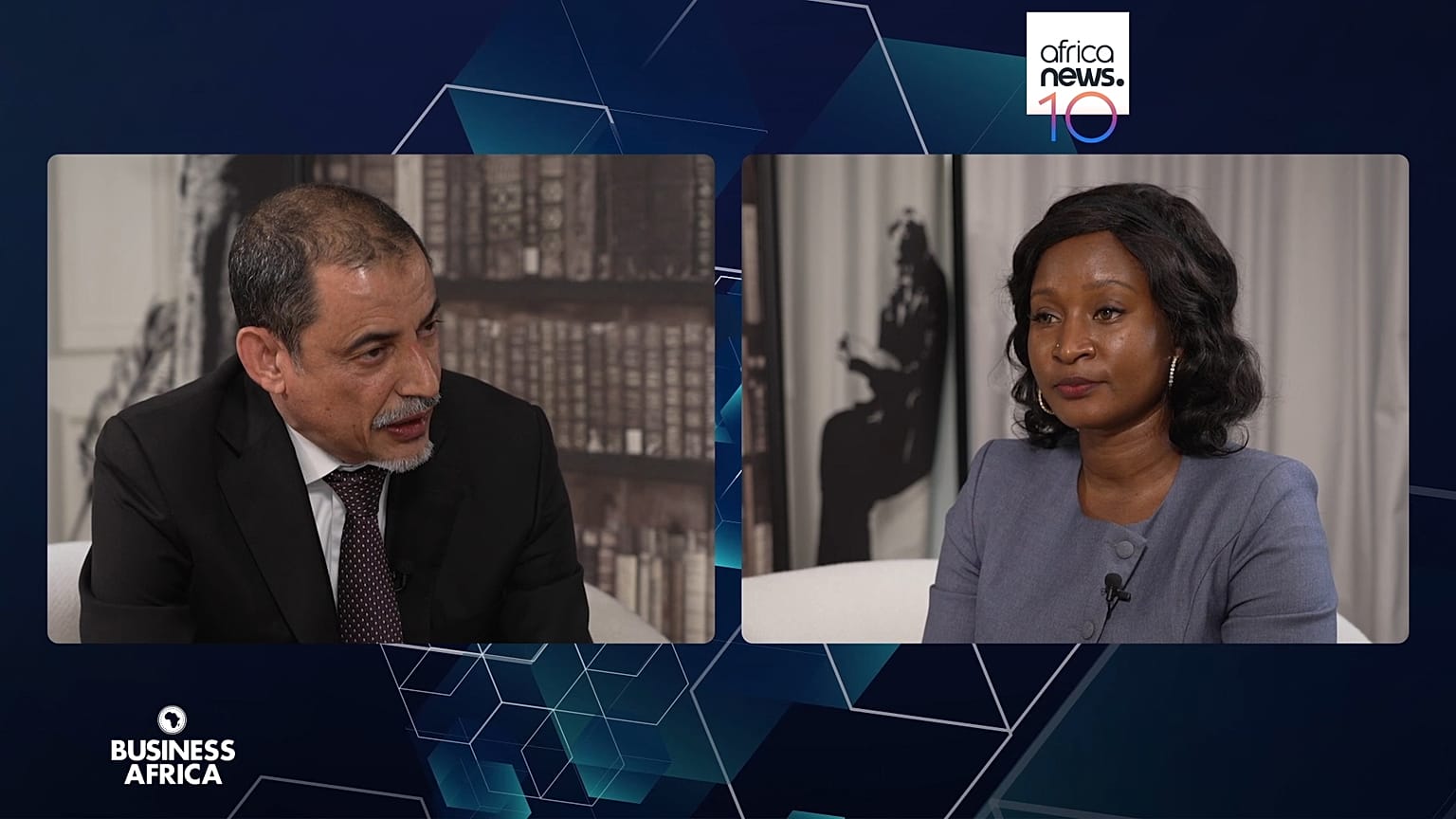
Business Africa speaks with Zeine Zeidane, the newly appointed Director of the IMF's African Department, to examine why debt distress persists and what reforms may be needed to create a more sustainable path for growth.
Zeidane says the picture is more nuanced than a simple cycle of failure, pointing to both repeated global shocks and progress made by several African economies.
“A lot of African countries have actually broken the cycle… IMF-supported programmes have played an important role. But Africa has also been hit by repeated shocks since 2000 — COVID-19, conflicts, and global interest rate increases — which have affected fiscal positions and debt vulnerabilities. At the same time, many countries have improved their policy frameworks, and debt vulnerabilities are coming down,” he tells Business Africa.
On the question of responsibility in recurring debt distress, he stresses a shared dynamic between global conditions, domestic policy choices and international financing structures.
“External shocks have played an important role in debt dynamics… but countries must also take responsibility by strengthening fiscal policy and implementing structural reforms to support growth. At the same time, the international community must continue to provide financing at lower cost to support Africa’s development needs,” he adds.
Nigerian businesses turn to stablecoins
A growing number of Nigerian businesses are turning to stablecoins to navigate inflation and costly cross-border payments.
Pegged to major currencies such as the U.S. dollar, stablecoins offer a way to preserve value and move money more efficiently than traditional banking channels.
As adoption accelerates, Nigeria is emerging as a key market in Africa's evolving digital finance landscape.
South Africa's micro-winemakers go global
South Africa’s wine industry brings in three billion dollars a year, but breaking into the sector usually requires millions in upfront capital.
In our final report, we meet the resilient micro-winemakers shattering that barrier. By farming on tiny urban plots and skipping standard retail middlemen, these entrepreneurs are proving that a unique local identity can beat deep pockets.