





























The International Monetary Fund (IMF) has adjusted its growth projection for the eurozone down to 1.1% from 1.4% for 2026 as prospects for the euro area dwindle amid higher inflation and reduced momentum.
Economic prospects for the eurozone have dimmed, with the IMF lowering its GDP growth forecast to 1.1% for the current year.
 ADVERTISEMENT
ADVERTISEMENT
ADVERTISEMENT
This downgrade from the earlier 1.4% estimate comes as a direct consequence of the war in Iran, which has sent shockwaves through international markets.
According to the IMF’s World Economic Outlook, released on Tuesday, the disruption to energy markets through the blockade of the Strait of Hormuz and infrastructure damage in the Middle East has effectively stalled the recovery of the world's major economies.
The escalating hostilities have driven global inflation expectations up to 4.4%.
“It is hoped that much of this economic shock will be short-lived, provided the conflict does not drag on," said Lindsay James, an investment strategist at Quilter.
"The longer the conflict goes on, the greater potential there is for an economic recession," she continued.
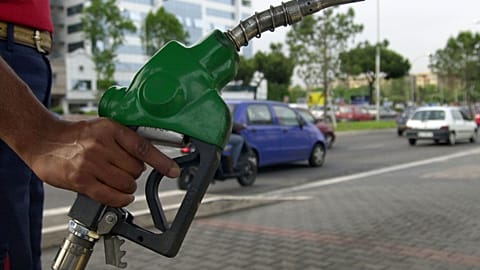
For Europe, which remains highly sensitive to fluctuations in natural gas prices, the 19% spike in energy costs assumed by the IMF poses a significant hurdle to industrial output.
Chief economist Pierre-Olivier Gourinchas noted that while the global economy had previously shown resilience against protectionist trade policies, the current Middle Eastern crisis has halted that progress.
The IMF also warns that the 21 nations sharing the euro are among the hardest hit by these soaring costs, as they lack the energy independence of other major powers.
"Tensions remain ratcheted up [despite the ceasefire]... even with any resolution, things are unlikely to go back to normal and we should now have to get familiar with elevated oil and gas prices for the foreseeable future," James continued.
The economic strain is also being particularly felt in Ukraine which has to fend off the full-scale invasion of Russia, and where inflation hit 7.9% in March.
According to the governor of the National Bank of Ukraine, the country is "walking on a razor blade" as it balances domestic war efforts with external price shocks.
Divergent performances for the US and Russia
While Europe faces a cooling economy, the US has also seen its growth forecast clipped to 2.3%.
The IMF suggests that the impact of American trade tariffs has been less severe than initially feared, but the energy shock remains a dominant factor.
Conversely, Russia is expected to see a slight upgrade to 1.1% as it benefits from higher export revenues tied to expensive oil.
This creates a complex geopolitical landscape where energy exporters find temporary relief while importers, particularly in the eurozone and Sub-Saharan Africa, see their fiscal cushions disappear.
The IMF remains cautious about the future, noting that despite news of a temporary ceasefire, the downside risks remain elevated.
If energy volatility persists into 2027, the fund warns of a "severe scenario" where global growth could plummet to 2%, forcing central banks to maintain high interest rates to combat persistent inflation.