




























Spain's consumer prices have risen at their fastest rate since 2024, reaching 3.3% year-on-year in March, driven by surging energy costs linked to the ongoing Iran conflict, according to the Spanish national statistics agency.
Consumer prices in Spain have accelerated sharply in March, climbing to their highest annual rate since 2024 as the economic fallout from the Iran war begins to feed through to households and businesses, preliminary data from the Spanish National Statistics Institute (INE) shows.
 ADVERTISEMENT
ADVERTISEMENT
ADVERTISEMENT
The INE's flash estimate, released on Friday, puts headline inflation at 3.3%, a full percentage point higher than the 2.3% recorded in February, but below the 3.8% median estimated in a survey of economists.
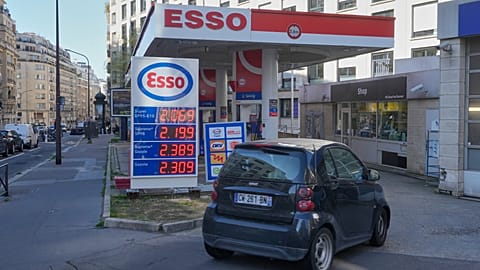
According to the agency, the main driver was a sharp rise in the price of fuels and lubricants for personal vehicles.
The figures mark a clear reversal of Spain's recent disinflation trend and arrive as global energy markets remain unsettled by the conflict in Iran.
Spanish government deploys €5 billion support package
On 20 March, Prime Minister Pedro Sánchez's cabinet approved a €5 billion emergency package comprising 80 measures aimed at shielding households and businesses from the Iran war's economic effects.
The plan includes VAT reductions on energy bills, direct support for fuel prices and targeted aid for vulnerable groups and firms.
Higher fuel and energy costs are already feeding into transport and food prices, potentially eroding real wage gains that have supported domestic consumption in recent quarters.
Analysts expect the pressure on supply chains to intensify if disruptions in the Middle East persist.
Wider eurozone implications
The Spanish data adds to growing concerns at the European Central Bank, where policymakers are monitoring the broader impact of elevated energy prices.
Investors are watching closely what the ECB may do next, with the first eurozone inflation reading, due next week, regarded as essential.
ECB President Christine Lagarde, in an interview with The Economist on Thursday, appeared to give markets a fright by suggesting they may be "overly optimistic" about the conflict's impact.
The comments differ from Lagarde's recent confident tone and the ECB's decision to hold rates at its last meeting on 19 March.
Bets for an interest rate hike at the next ECB meeting have been rising steadily.