












While most of the world is focused on the impact of oil disruptions in the Strait of Hormuz, the current blockade could also pose long-term risks to the global food supply.
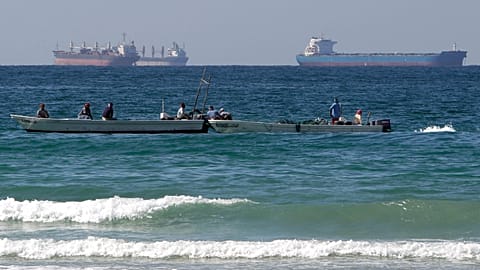
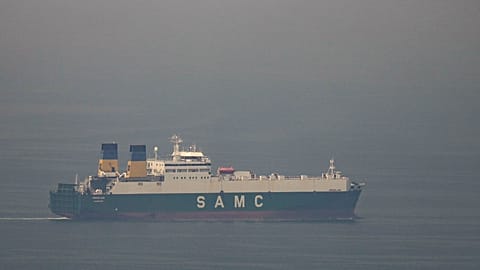
At least 10 vessels have been attacked in the Strait of Hormuz since hostilities in the Gulf began on 28 February, with seafarers feared dead in the latest Iranian attack on a UAE-flagged tug sent to assist a containership.
 ADVERTISEMENT
ADVERTISEMENT
ADVERTISEMENT
Even as the US offers navy escorts and a $20bn insurance programme for oil tankers, maritime data trackers show hundreds of vessels remaining idle on either side of the waterway.
Insurance premiums and cargo rates have skyrocketed, prompting shipping companies to halt operations.
In addition to handling nearly 30% of the world’s oil exports and 20% of the natural gas supply, up to 30% of global fertiliser exports also pass through the Gulf’s only access to the open ocean — an important contributor to the world’s food production.
Seeds of inflation
The Hormuz hostilities are already planting the seeds of inflation.
The price of urea, a type of fertiliser, has jumped to more than $600 a tonne, from $450 last week.
Menelaos Ydreos, secretary general of the International Gas Union, acknowledged that the major impact of disruptions will be on oil and gas, but highlighted the bidirectional nature of trade in the strait.
“There is a significant amount of food that comes into the region that has now been disrupted. That food does not only meet regional requirements but, in some cases, is also re-exported further along the line,” Ydreos said.
But he also sounded the alarm about the impact on many other industries.
“Petrochemicals are needed for pharmaceuticals, for plastics and many other products. I think we have to look at the disruption in [its] totality rather than simply as a question of gas and oil. It is actually much more severe.”
Engine feeding the world
The Gulf is a key engine fueling the world’s food production, supplying some of the world’s largest exports of nitrogen fertilisers.
According to the International Food Policy Research Institute (IFPRI), Qatar, Saudi Arabia, Bahrain and Oman produce a combined 15 million metric tonnes a year of urea, diammonium phosphate (DAP) and anhydrous ammonia.
Countries such as India, the US, Brazil and Australia rely heavily on these exports to maintain agricultural yields.
There is also a strong link to natural gas prices. Natural gas makes up around 70% of the production cost of nitrogen fertilisers, so a spike in oil markets would also spill over into fertiliser prices.
But while stockpiles and reserves provide some safety net for oil prices to absorb shocks in the short term, fertiliser markets have less of a buffer.
Joseph Glauber, research fellow emeritus with IFPRI’s director general’s office, explained: “A lot of fertiliser products can be easily stored but, because they are of such high value relative to the underlying feedstock (e.g. natural gas), and the fact that natural gas is produced year-round, the costs of storage make it more economical to buy them as needed.”
Orders depend on seasonal demand, which aligns with planting cycles and weather patterns. That means fertiliser inventories are mostly made-to-order and meant for immediate shipment.
“In the US, producers will often purchase agricultural fertilisers and chemicals in the autumn, so as to ensure sufficient supplies are available for planting,” he added.
Bad taste: Food items set to see price increase
So, what food items could become pricier?
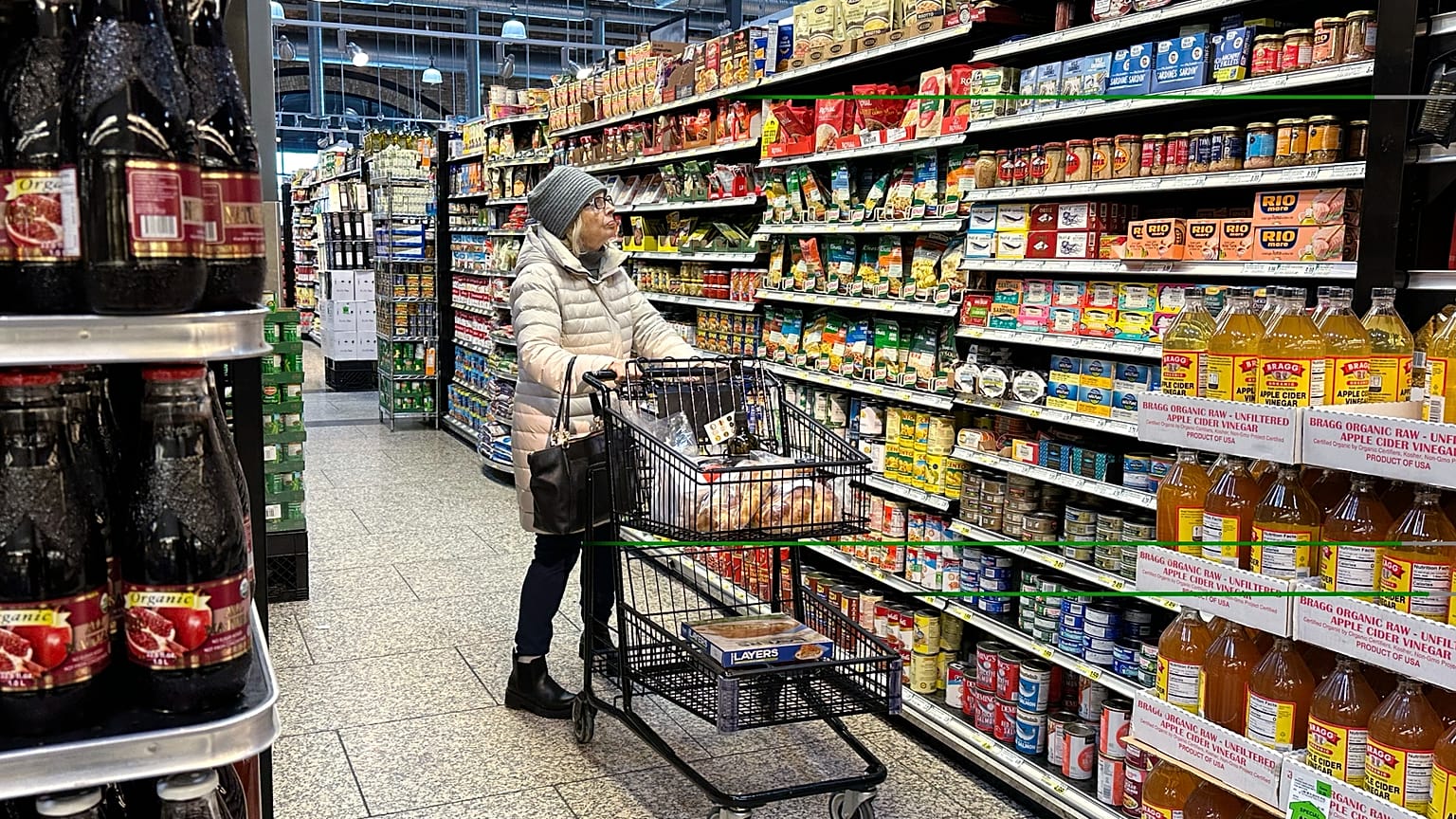
If the hostilities in the Strait of Hormuz are prolonged, you may eventually find staple food products such as wheat, corn, bread, pasta and potatoes at your local supermarket carrying higher price tags.
Perishable items such as dairy products and seafood could also be affected. Meanwhile, prices of soybean oil and animal feed may also rise, which could force farmers to change their production plans.
But there is no need to panic yet, as experts like Glauber expect only a small impact in the near term. The more crucial factor is oil prices.
“Higher oil prices and energy prices more generally could raise retail costs as post-farmgate transportation and processing costs increase. This could refuel food price inflation over time,” Glauber said.
The same goes for food security. Outside the Persian Gulf, worries over food insecurity are still muted. However, this could change if Hormuz remains blocked for an extended period of time.