












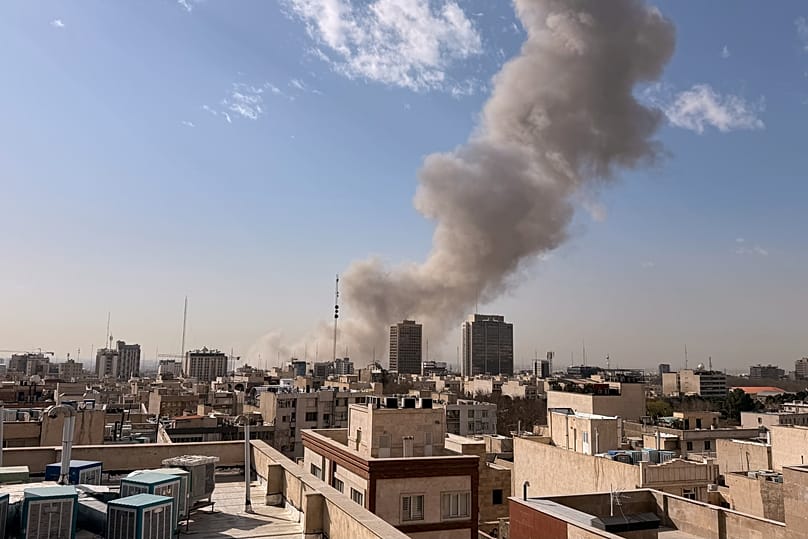
The US and Israel launched a joint operation at Iran on Saturday morning. Iran retaliated as it had threatened, with explosions reported in the United Arab Emirates, Qatar, Bahrain and Kuwait, risking a wider conflict across the region.
Oil markets brace for a shock as the joint US-Israeli strikes against Iran risks disrupting the global supply of crude oil, potentially triggering a significant surge in prices.
 ADVERTISEMENT
ADVERTISEMENT
ADVERTISEMENT
Beyond being a major oil producer, Tehran has repeatedly threatened a blockade of the Strait of Hormuz, a key pathway for oil export.
In 1974, Iran was the third largest producer in the world after the US and Saudi Arabia, but ahead of Russia. However, its oil output took a hit after the US imposed sanctions in the 1979.
Iran went from producing around six million barrels per day to roughly 3.1 million barrels today, according to the oil-producing cartel OPEC, of which Iran is a member.
Even so, Iran still ranks in the world's top ten oil producers. Its crude oil is relatively easy and cheap to extract, with production costs as low as $10 (€8.46) per barrel, making it particularly profitable.
In comparison, Canada and the United States typically see costs of $40 (€33,85) to $60 (€50.77) per barrel. Only Saudi Arabia, Iraq, Kuwait and the United Arab Emirates see similar low production costs.
China remains a key consumer of Iranian oil, with more than 80 per cent of Iran's export bound for Chinese refineries.
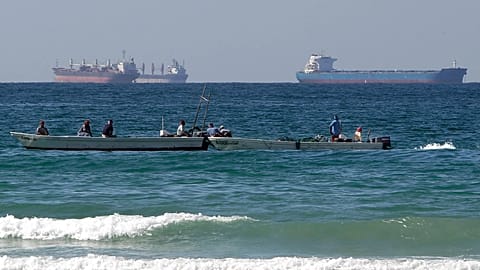
A bigger risk to oil markets are the incessant warnings Iran issued on closing the Strait of Hormuz, a critical maritime corridor connecting oil-producing countries in the Middle East to the rest of the world.
Strait of Hormuz
In 2024, approximately 20 million barrels of crude oil passed through it daily, which is equivalent to nearly 20 per cent of global liquid oil consumption, according to a report by the US Energy Information Administration (EIA).
"The strait is deep enough and wide enough to handle the world's largest crude oil tankers, and it is one of the world's most important oil chokepoints. Large volumes of oil flow through the strait, and very few alternative options exist to move oil out of the strait if it is closed," the report states.
Tensions in the region have been high as Washington and Tehran try to reach an agreement on a deal to limit Iran's nuclear activities.
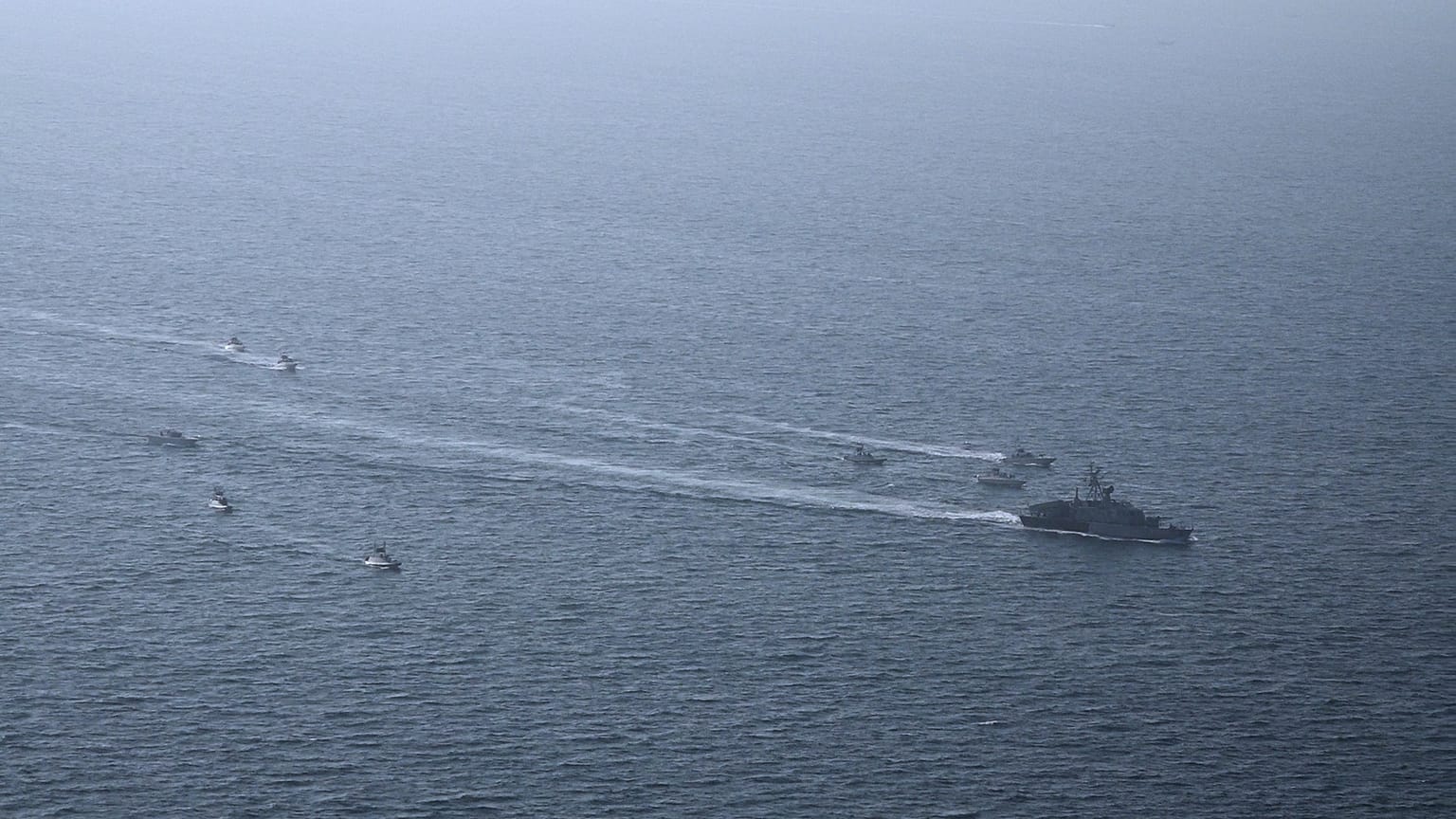
Last week, Iran stepped up its warnings to the US over its military presence in the region and temporarily closed the Strait of Hormuz for live-fire drills.
It marked the second time in recent weeks that Iran had held a live-fire drill in the critical waterway. However, it marked the first time Iran had closed the critical maritime corridor since the US threatened Tehran with military action.