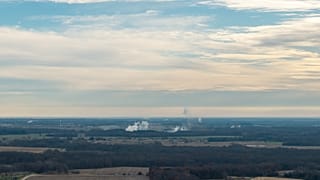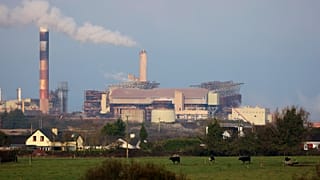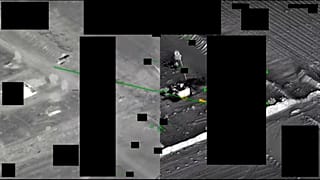













The controlled explosion of five tonnes of hazardous material has raised concerns over lead pollution and its potential impact on public health and the environment.
The US Army destroyed the country's entire stockpile of lead azide at a military ammunition plant in southeastern Iowa on Wednesday, amid concerns that the deteriorating explosives could spontaneously detonate as temperatures dropped.
 ADVERTISEMENT
The controlled explosion has sparked fears among local residents and environmental groups over the potential release of toxic lead dust into the atmosphere.
Footage showed two white plumes rising from the site before quickly dissipating. Local schools cancelled classes, while some residents sealed their windows and doors as a precaution.
The chemicals, which are used in the production of munition, had been stored at the Iowa facility since 2009.
Hundreds of homes and farms at risk of lead contamination
An inspection in March revealed that the decades-old material had become increasingly unstable. Military experts concluded that a controlled explosion was safer than alternative disposal methods.
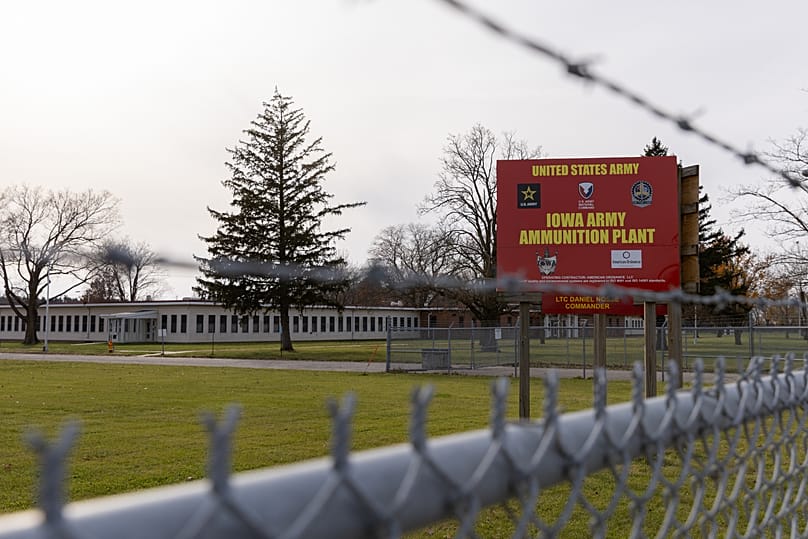
Authorities urged residents living within an eight-kilometre radius of the ammunition plant to evacuate to avoid exposure to airborne lead particles.
Hundreds of homes and farms could be in the path of a toxic dust cloud containing lead. There is no safe level of lead exposure, with children and pregnant women particularly vulnerable to its harmful effects.
The army put protective barriers and other safety measures in place to limit the spread of hazardous particles into the surrounding environment.
Environmental groups fought to stop the explosion
The operation was rescheduled three times following public opposition and to allow for additional safety precautions and favourable weather conditions.
Environmental organisations launched legal action to prevent the explosion, but a federal appeals court gave the operation the green light on Monday, ruling that the US Environmental Protection Agency (EPA) had incorporated adequate safeguards to minimise lead dust dispersal.
Despite these assurances, residents remain concerned about the potential long-term consequences for their water supplies, agricultural land, animals and homes.