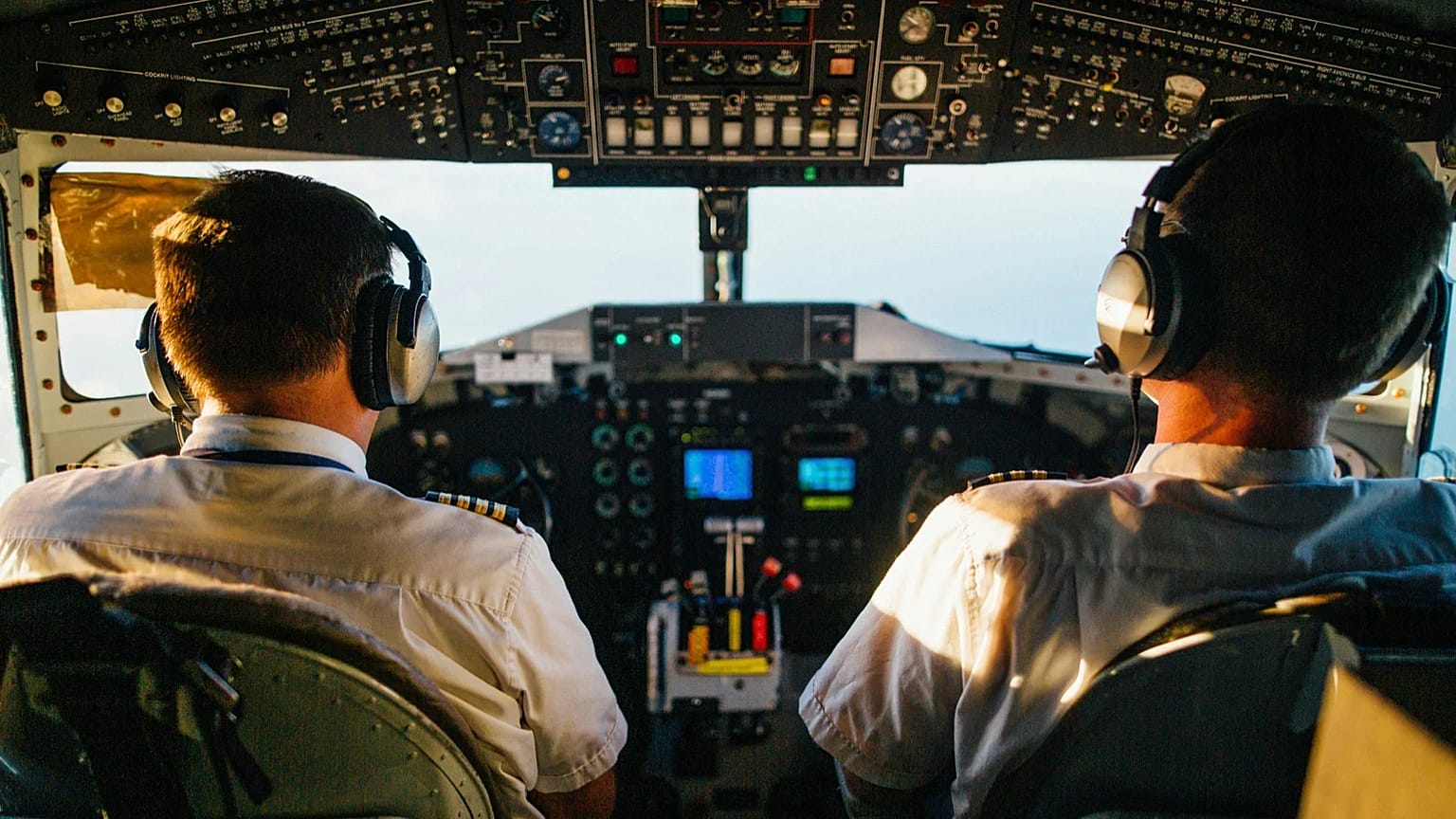













Pilot fatigue remains a major aviation concern, with many reporting nodding off during flights instead of declaring themselves unfit to fly.
Fear of negative consequences and a lack of trust in reporting systems are among the barriers that prevent pilots from declaring themselves unfit to fly due to fatigue, according to a new survey by the European Cockpit Association (ECA).
 ADVERTISEMENT
The ECA identified head nodding, struggling to keep their eyes open, impaired alertness and microsleeps — brief, involuntary episodes of sleep — as signs of fatigue that can affect pilots on the flight deck.
More than half of pilots surveyed said they had flown while tired, while over 76% reported experiencing at least one microsleep on the flight deck in the previous four weeks, highlighting concerns about fatigue management in aviation.
Conducted by aviation consultancy Baines Simmons, the survey gathered responses from 7,200 pilots across 32 countries.
More than half of respondents reported that at least once in the previous three months they had operated a flight before realising in hindsight that they should have declared themselves unfit to fly due to fatigue.
The most commonly cited barrier was concern about management’s reaction, reported by 47% of pilots. A further 44% said they did not want to draw attention to themselves, while 35% were reluctant to inconvenience their employer.
“When pilots fear career consequences, fatigue goes unreported and the risk returns to the cockpit,” said ECA Board Director Captain Coen George.
Fatigue can result from acute sleep loss, long or demanding flight duty periods or repeated inadequate recovery time between duties.
The report highlights the particular dangers of cumulative fatigue, which can build up over time. Pilots may find it harder to recognise the resulting impairment in advance than the effects of short-term sleep deprivation.
Despite widespread awareness of fatigue risks, the problem remains underreported in the aviation industry.
While 82% of pilots knew how to submit a fatigue report, only 12% said they trusted the reporting system, and just 11% reported that fatigue submissions had led to operational changes to improve safety.
Half of respondents said fatigue risks at their airline were either poorly managed or not managed at all.
Fatigue is a known problem
Fatigue among aircrew is not a new concern. Aircrew fatigue was identified as one of the most consistent and prominent safety concerns in the European Union Aviation Safety Agency (EASA) report published in June 2026.
It linked fatigue to several operational and socio-economic factors, including flight scheduling, short-notice roster changes and the use of commanders’ discretion to extend flight duty periods beyond their scheduled limits.
EASA highlighted the need for targeted safety initiatives to improve reporting quality and awareness and foster a workplace culture where personnel can declare themselves tired without fear of reprimand.