


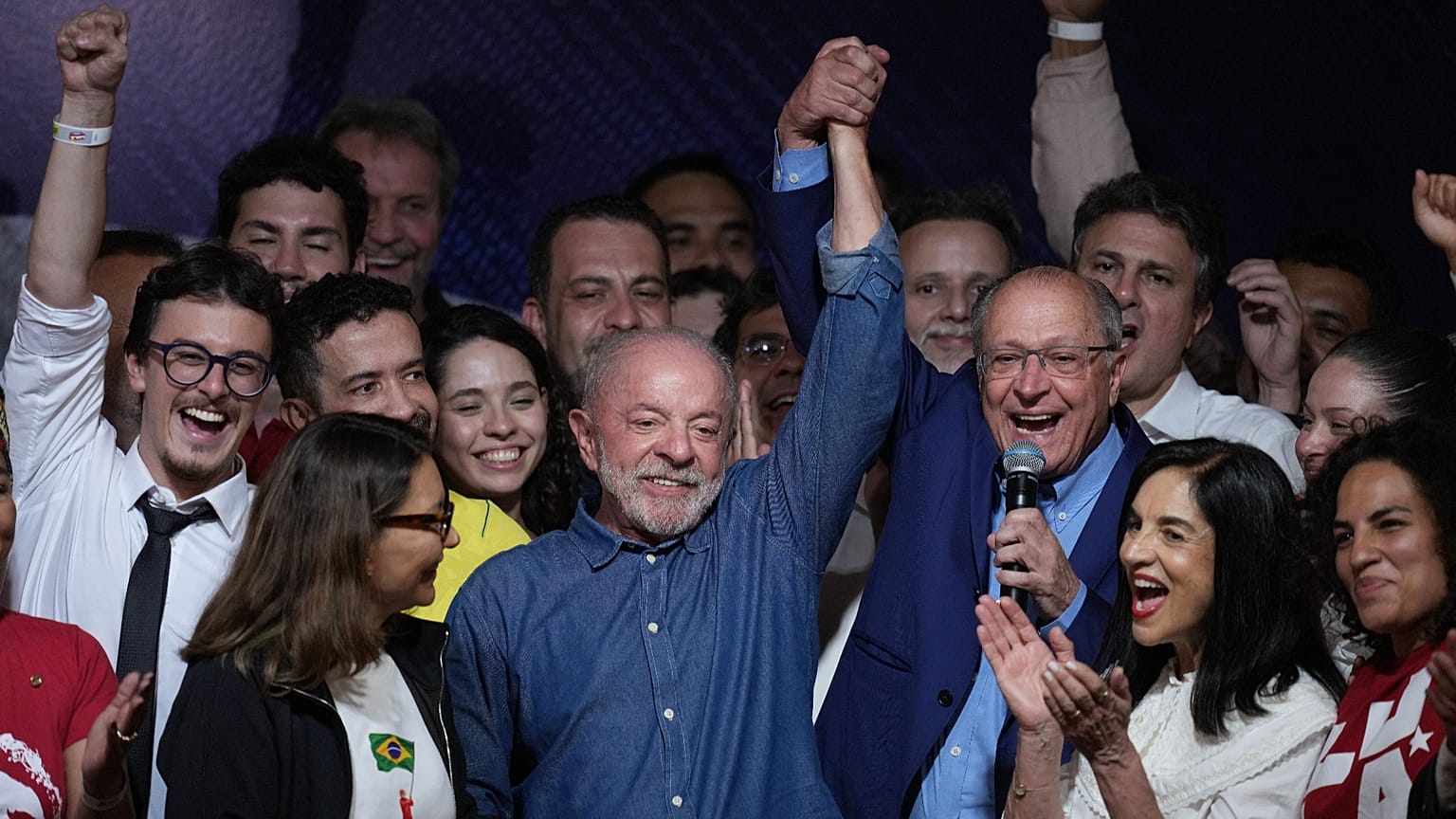


Lula's triumph bucks a regional trend of victories for right-of-center presidential candidates allied with Trump. It also means Latin America’s largest economy will likely continue defying Trump’s demands, despite the pressure of increased tariffs.
Brazil’s President Luiz Inácio Lula da Silva pulled off a dramatic comeback on Sunday as he clinched a re-election victory with a lead of nearly 4.4 million votes over opponent Flávio Bolsonaro, giving him 51.8% of the total vote.
 ADVERTISEMENT
The 81-year-old leftist defied projections to win an unprecedented fourth term, staving off a conservative wave that has seen numerous South American countries, such as Argentina, Chile, Colombia, and Peru, all shift right, backed by US President Donald Trump.
Bolsonaro quickly refused to concede defeat and asked for the election results to be annulled after an evening of chaos at some polling places that followed a last-minute decision to extend voting by two hours.
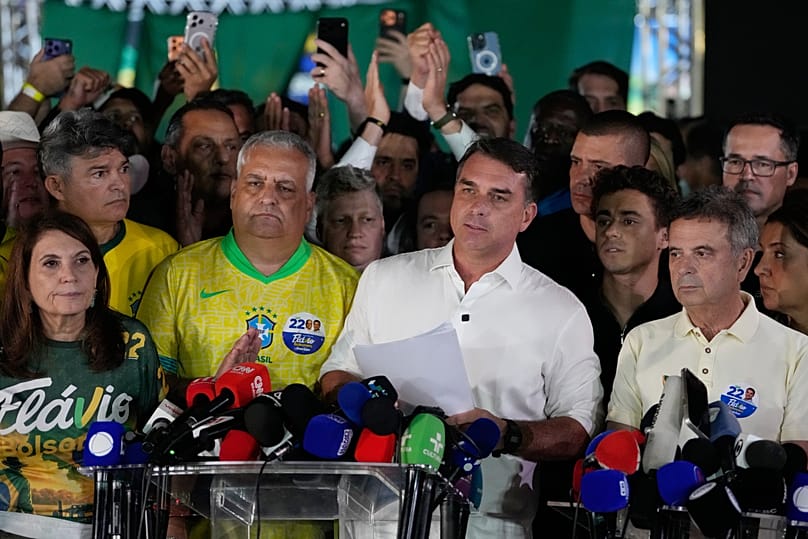
The senator is the son of former far-right president Jair Bolsonaro, who is serving a 27-year jail term for attempting a coup after his loss to Lula in the country's last election in 2022.
Lula had requested the extension after he complained that buses had been pulled from circulation in various cities, barring citizens from voting.
Flavio Bolsonaro also requested an extension in some regions due to heavy rains, but he described the decision as "unacceptable" and a "dirty trick".
"It is impossible to recognise the results. I am going to request the annulment of these elections," he said in a brief speech in Brasília.
Comeback after first round defeat
After a first-round defeat, the left swung into action with massive rallies, declaring "Never Again Bolsonaro" and revamped their social media strategy.
No candidate who lost the first round has gone on to win the second in Brazil since 1989, the first direct election after the end of the country's military dictatorship.
The abstention rate decreased from the first round, falling from 21 percent to 19 percent.
"People went to vote because we managed to convince them that voting was very important for ensuring democracy in the country," Lula said in his first comments after the win.
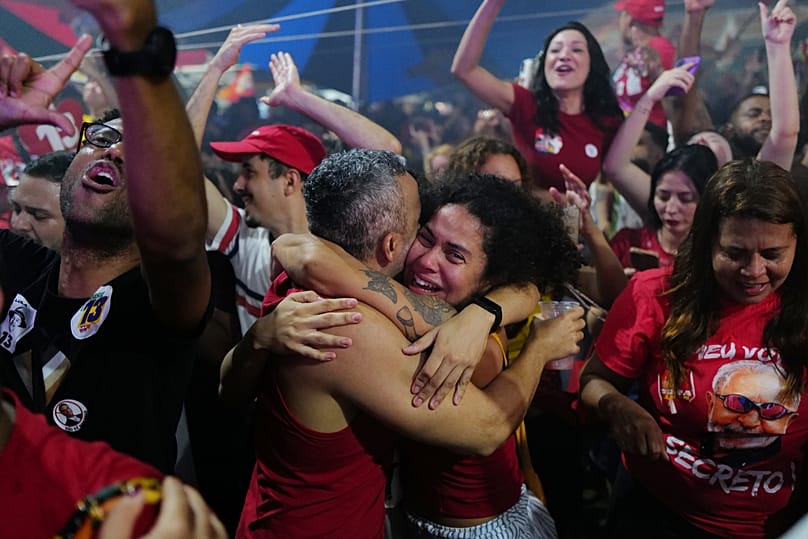
Fireworks and vuvuzelas rang out in Rio de Janeiro, while thousands of people dressed in red, the color of Lula's Workers' Party, streamed into the streets of Sao Paulo to celebrate.
Lula's campaign leaned heavily on the theme of sovereignty in the face of commercial and diplomatic pressure from Trump's United States.
“Either the homeland remains free, or we die for Brazil,” he said. “This country will not accept being anyone’s backyard," he said as he addressed his supporters.
In Rio de Janeiro, cars beeped their horns and a woman dressed in red — the color of Lula supporters — shouted “You lost! Cry harder!” to four men in yellow and green sipping beers, Bolsonaro's signature colors. A huge roar echoed in the street as the result was confirmed.
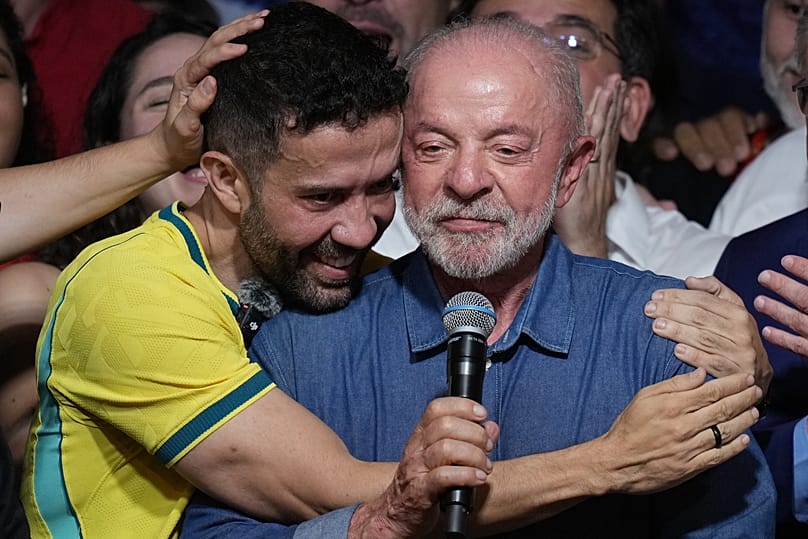
Lula heads into a fourth term with almost half of the nation having rejected him, desperate for change.
He rose from poverty to become president in 2003 and was re-elected in 2006.
Lula made a dramatic return to office in 2022 elections after a corruption scandal saw him jailed for over 18 months. The charges were annulled on procedural grounds.
In his third term, Lula oversaw a drop in inflation and unemployment, and lifted millions out of hunger, but many voters felt gloomy about the high cost of living and crime.
Already one of the world's oldest leaders, Lula will be 85 by the end of his new term in 2030.