






























“Alongside the new Lisbon airport, high-speed rail lines represent the largest infrastructure projects the country will undertake this century," Miguel Pinto Luz, Portugal's minister of infrastructure and housing, said.
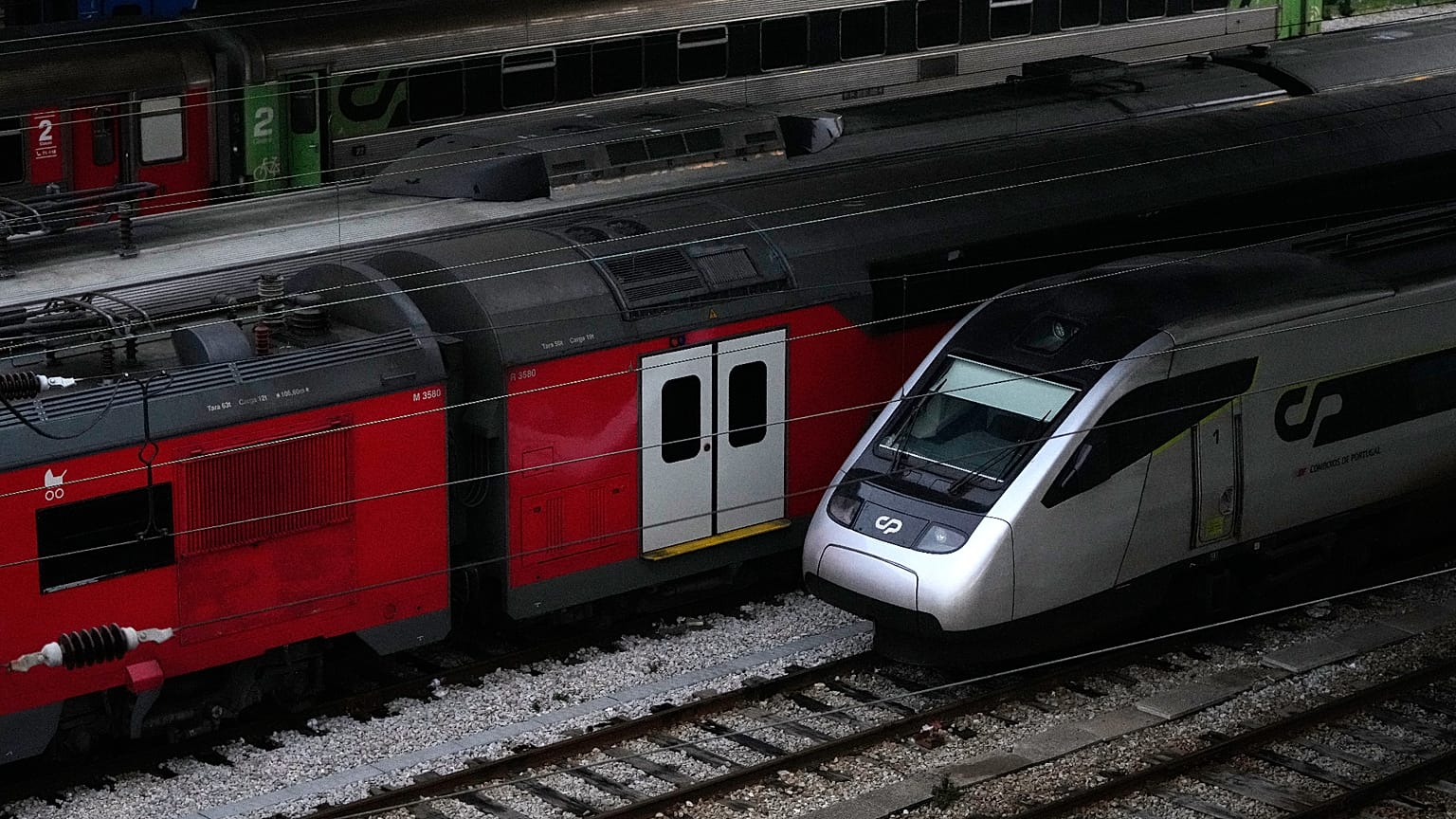
Construction of a high-speed rail line (LAV) linking Lisbon and Porto began in Portugal on Monday, with work starting on the first section between Porto-Campanhã and Oiã, in the district of Aveiro.
 ADVERTISEMENT
ADVERTISEMENT
ADVERTISEMENT
Once completed, the line will enable passengers to travel between the two cities in 1 hour and 15 minutes.
According to the government, the high-speed project is a key part of the country's national airport strategy, supporting the new Lisbon airport, and will also help strengthen rail links with Spain.
The government says the project will help set up a roughly three-hour journey between Lisbon and Madrid by 2034.
“Alongside the new Lisbon airport, high-speed rail lines represent the largest infrastructure projects the country will undertake this century," Miguel Pinto Luz, Portugal's minister of infrastructure and housing, said.
"It is therefore crucial that there be - as I know there is - a strong national consensus regarding high-speed rail and, more generally, the importance of investment in the railway system," he added.
The Porto-Oirã section is to comprise 71 kilometres of high-speed railway line, including a new road-rail bridge over the Douro River, a new station at Vila Nova de Gaia-Santo Ovídio, and the expansion and redesign of the Porto-Campanhã Intermodal Station.
The concession contract for the Porto-Oiã section, signed on 29 July 2025, will cost around €2 billion, the government says, adding that it would receive €875 million in financing from the European Investment Bank and €480 million from the Connecting Europe Facility.
"This project, structured as a Public-Private Partnership (PPP), is pivotal for the public passenger transport ecosystem and serves as a key structural element for the region," the Ministry of Infrastructure and Housing says, adding that it "aligns with the European Commission's objectives of doubling passenger rail traffic, complementing conventional rail lines and fostering a multimodal, sustainable approach alongside other mobility alternatives."