




























As the government drafts its 2027 budget, Canal+ is alarmed by a planned doubling of VAT on pay-TV. Boss Maxime Saada may slash film spending, threatening a sector it heavily bankrolls.
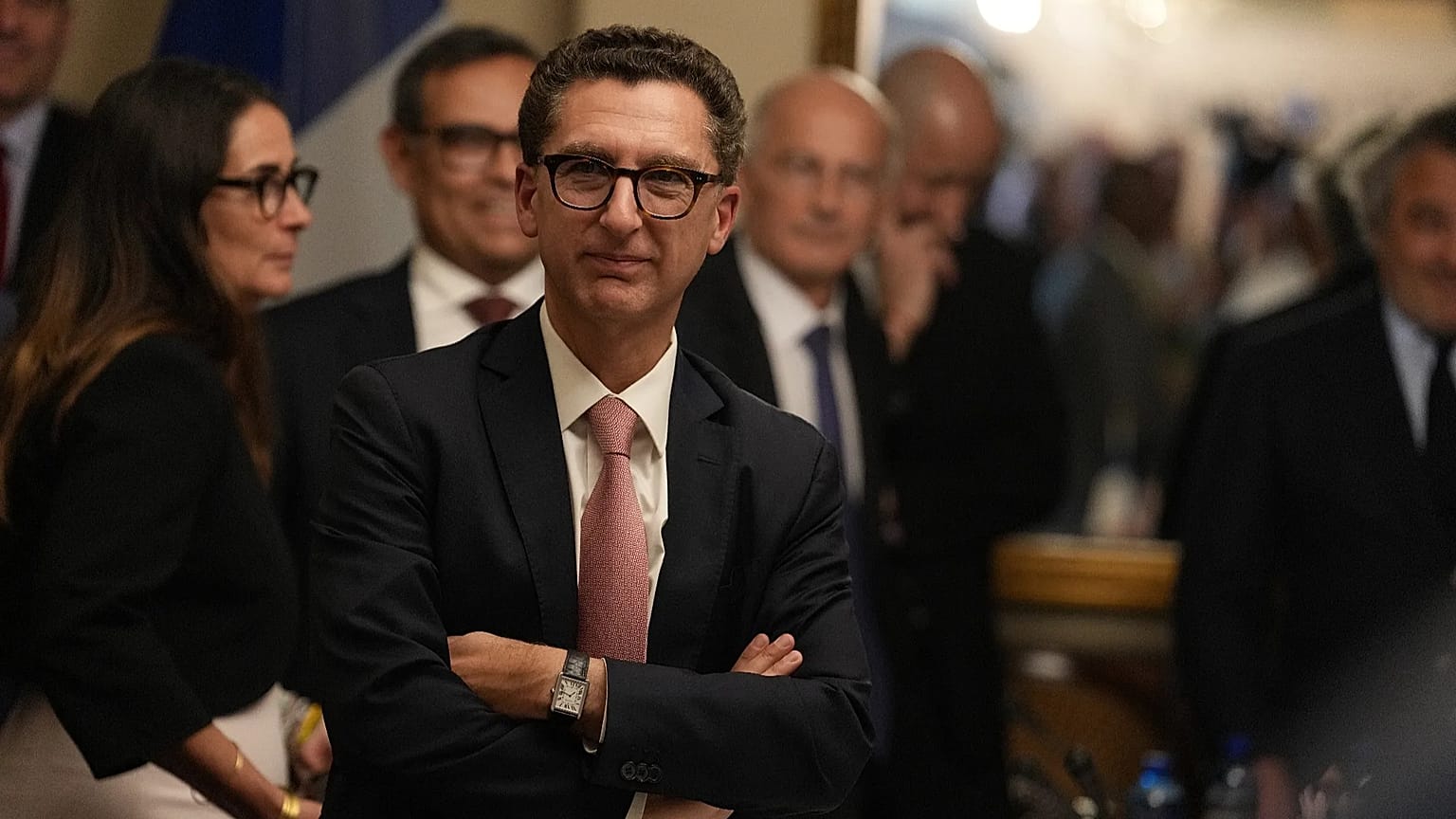
Tensions are rising between Canal+ and the government. As the executive prepares its 2027 budget, Maxime Saada is openly opposing plans to scrap the reduced VAT rate enjoyed by pay television. The Canal+ boss describes the move as "political" and "absurd", and says it would mean an additional cost of around 200 million euros a year for his group.
 ADVERTISEMENT
ADVERTISEMENT
ADVERTISEMENT
According to him, raising VAT from 10% to 20% could lead to higher subscription prices, as well as internal savings and job cuts.
"We cannot absorb 200 million euros", the executive told RTL, warning that Canal+ will have to rein in its spending.
Cinema as leverage
Canal+ plays a central role in financing French cinema. In 2025, the group invested 155.6 million euros in French films and helped fund 148 productions. It thus accounts for almost half of the investment made by traditional private broadcasters. Any cut in its spending would therefore have a direct impact on production.
This is precisely where the threat is being exerted. Canal+ was due to invest 980 million euros in French and European cinema between 2028 and 2032. But Maxime Saada warns that if VAT doubles, these commitments could be scaled back. He even raises the prospect of financing "maybe three quarters fewer films".
undefined
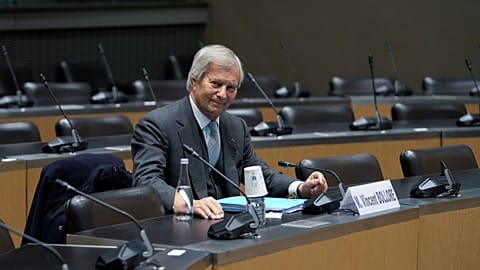
The showdown comes against an already tense backdrop around Canal+. In May, Saada announced that the group no longer wished to work with the signatories of a column criticising the influence of conservative billionaire Vincent Bolloré, who controls Canal+.
The Human Rights League and the CGT-Spectacle union have since taken legal action, denouncing discrimination based on opinions.
undefined
With its 2027 budget, the government is seeking to bring the public deficit down from 5.4% to 5% of GDP. The VAT rise for Canal+ is part of this hunt for extra revenue, but it opens up a new front with a group determined to defend its profit margins and its role in French creative industries.