
















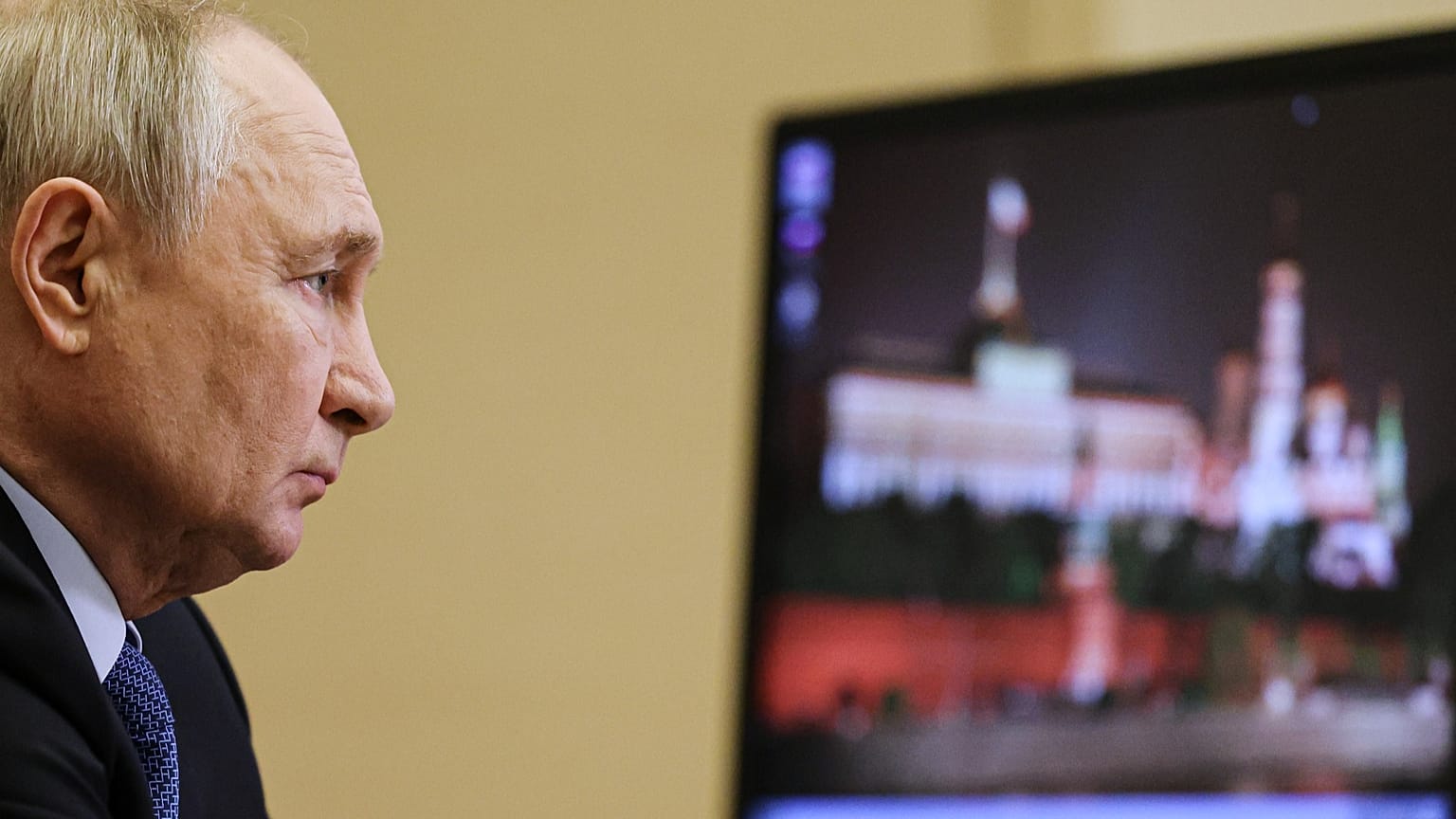













More frequent long-range strikes by the Ukrainian armed forces on strategically important targets, as well as growing spending to counter these attacks, are further deepening Russia's budget deficit.
The Kremlin is seeking additional funds for the war in Ukraine by raising taxes, as the federal budget deficit reached 5.8479 trillion roubles (€60.4 billion) in the first half of the year, according to official data.
 ADVERTISEMENT
ADVERTISEMENT
ADVERTISEMENT
By the end of July, the budget deficit amounted to 2.8% of annual GDP, almost twice the initially planned annual figure.
The volume of funds in Russia's reserve fund has fallen to 1.6% of GDP, forcing the Kremlin to borrow from domestic banks.
At the same time, GDP growth has slowed compared with the peak rate of more than 4% year on year recorded in 2023–2024.
According to government forecasts, growth this year will be 0.6%, with the economy contracting in the first quarter and showing a modest rebound in the second.
Analysts cite a sharp increase in government spending as the main cause of the deficit – including massive outlays on the war and advance financing of state contracts – along with weaker revenues under sanctions pressure and volatile commodity markets.
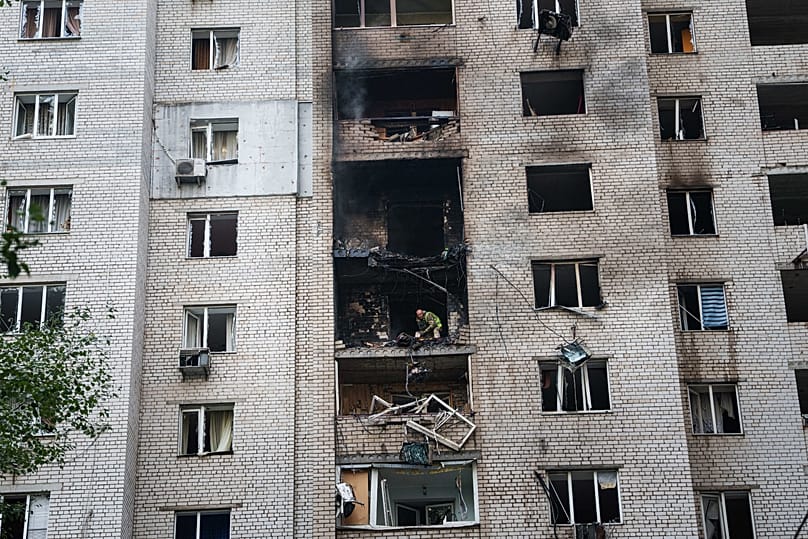
More frequent and intensified long-range strikes by the Ukrainian armed forces on strategically important targets, above all oil refineries and depots, as well as growing spending to counter these attacks, are further deepening the deficit.
The still-low unemployment rate and generous state payments in poorer regions are helping to contain consumer discontent for now.
However, economists warn that long-term problems are eroding the foundations of the economy and could eventually trigger a crisis.
The Ministry of Finance has submitted a draft law to the Russian government on a new three-year budget with an annual deficit of around 2% of GDP, as well as a bill amending the Tax Code "to increase the resilience of the budget system."
The proposal states that "the strategic priority of the budget is the financial provision of defence and national security needs, and social support for participants in the special military operation (Russia's official term for the war against Ukraine) and their families."
Civilians and businesses will pay for the war
The Ministry of Finance has proposed taxing Russians' so‑called "passive" income at rates of 13%–22%. This includes interest on deposits, dividend income, securities transactions, property sales, as well as insurance and gift contracts. At present, passive income is taxed at 13%–15%.
Extending the progressive scale of personal income tax to income from deposits, dividends, investments and the sale of property could bring the budget an additional 500–700 billion roubles a year. That estimate was given by economist Dmitry Polevoy, quoted by the outlet Meduza.
Another initiative by the ministry is to introduce value added tax (VAT) on purchases from foreign online shops.
That would be applied immediately at the maximum rate of 22%, although there had previously been talk of a phased increase.
It is also proposed to introduce a fee of 100 roubles (about €1) for parcels from abroad worth up to €200, which are currently exempt from customs duty.
In parallel, Russian media say the Federation Council has proposed higher taxes for the self‑employed.
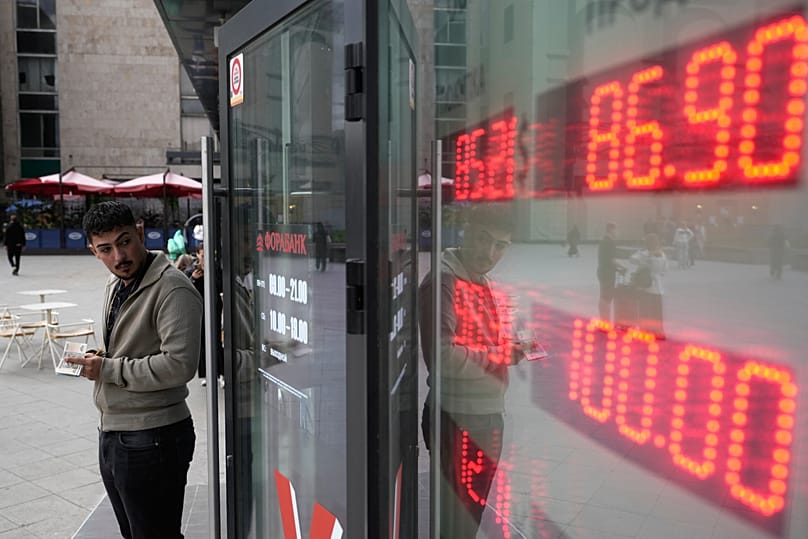
Andrei Yepishin, deputy chair of the committee on the budget and financial markets, said couriers and drivers who in practice work full time should pay tax at a rate starting from 13% instead of the 4%–6% self‑employment tax.
According to the ministry's estimates, the changes will affect about 4 million Russians, roughly 2.74% of the population. However, the Finance Ministry stressed in particular that the amendments should not affect the income of participants in the war.
For large businesses, a windfall tax is being introduced, according to the Finance Ministry's press release: for certain companies in the mining and metals sector the tax will be 30% of additional income. For gold producers the rate will be 20%.
The Russian Ministry of Finance openly states that "the resources envisaged will ensure that the armed forces are supplied with the necessary weapons and military equipment, the modernisation of defence‑industry enterprises, the payment of monetary allowances to servicemen and support for their families."
The ministry notes that priority funding will continue under the national projects "Machine tools" and "Unmanned aerial systems."
Their funding over three years will increase to 135.7 billion roubles (€1.4 billion) and 103.3 billion roubles respectively (€1.06 billion).
The Kremlin's forgotten promise
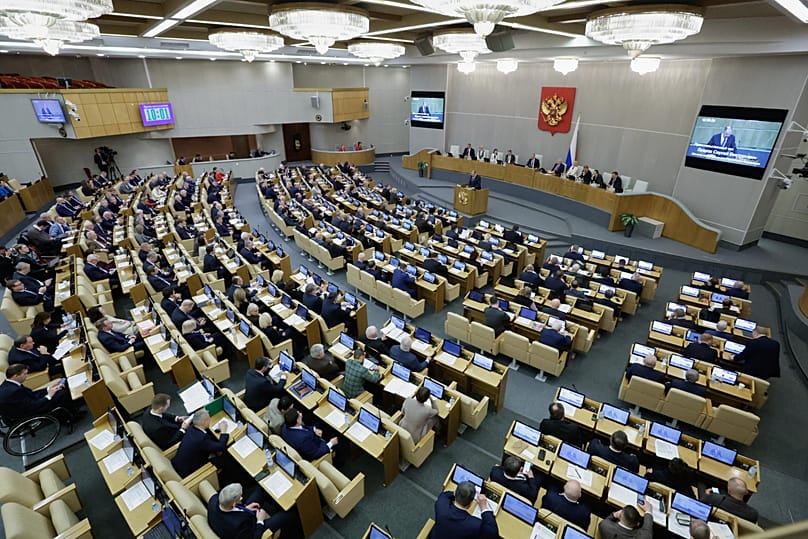
It is noteworthy that the Kremlin forgot its promise not to raise taxes on the fourth day after the State Duma elections.
"This is not under discussion," presidential press secretary Dmitry Peskov said 10 days before the vote, according to the Interfax news agency.
Earlier this year, Finance Minister Anton Siluanov insisted that tax increases for Russian citizens were not being considered.
"These are fake leaks," he said at the time.
Judging by the proposed amendments to the Russian Tax Code, the authorities are having to seek additional revenue at home to sustain the war machine.
The measures being proposed show that the Kremlin intends to shift the rising cost of the war not only onto better‑off citizens with income from savings and investments and onto big business, but also onto ordinary consumers.
It is hardly surprising that consumer confidence has been gradually falling since its peak in 2024–2025, when higher military spending was fuelling economic growth and wage increases.
Recently consumers have been confronted with rising petrol prices and shortages due to Ukrainian drone attacks that have knocked out oil refineries. Many small businesses have also suffered losses of inventories and customers because of strikes targeting the online retailers Wildberries and Ozon.
The consumer sentiment index calculated by the Levada Centre, an independent Russian polling organisation, fell in the summer to 94 points, compared with 116 points in the spring and summer of 2025. Readings below 100 indicate that consumer sentiment is more negative than positive.
Against this backdrop, talk continues of VPN blocks and of a possible new wave of mobilisation, repeatedly denied officially.