



























The first phase of the Andalusian Green Hydrogen Valley will include 300 MW of electrolysis and require investment of over €1 billion. Moeve expects to create more than 8,000 jobs during its development.
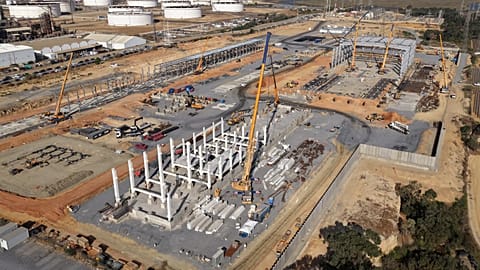
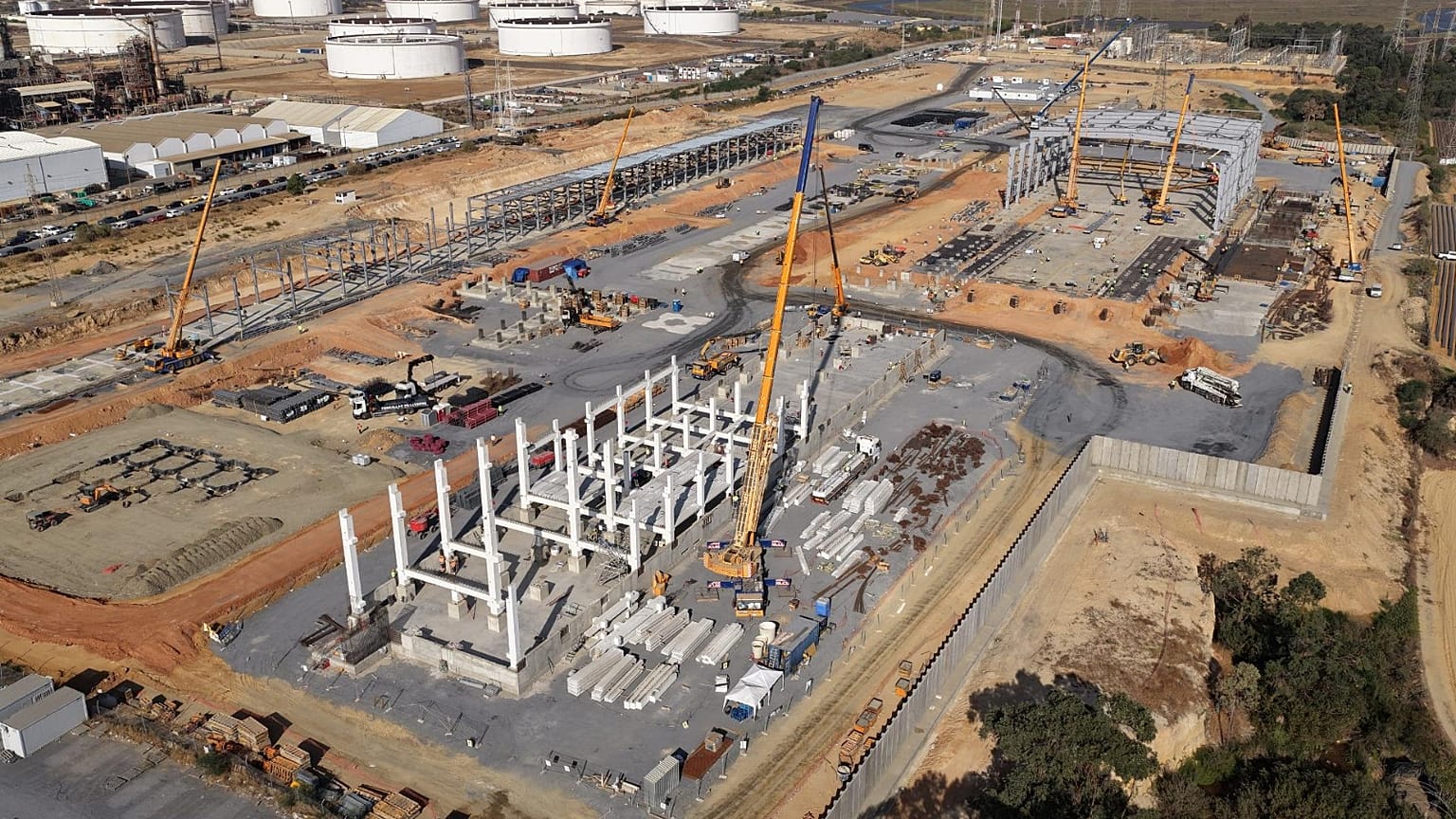
Moeve has begun construction in Palos de la Frontera, Huelva, on the first phase of the Andalusian Green Hydrogen Valley, a project the company presents as the largest of its kind in Europe and which aims to place Spain in a central position in the development of this new energy industry.
 ADVERTISEMENT
ADVERTISEMENT
ADVERTISEMENT
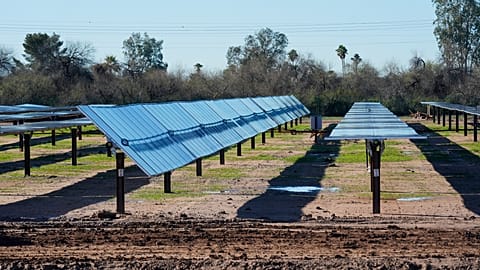
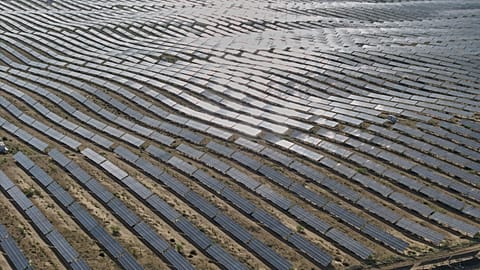
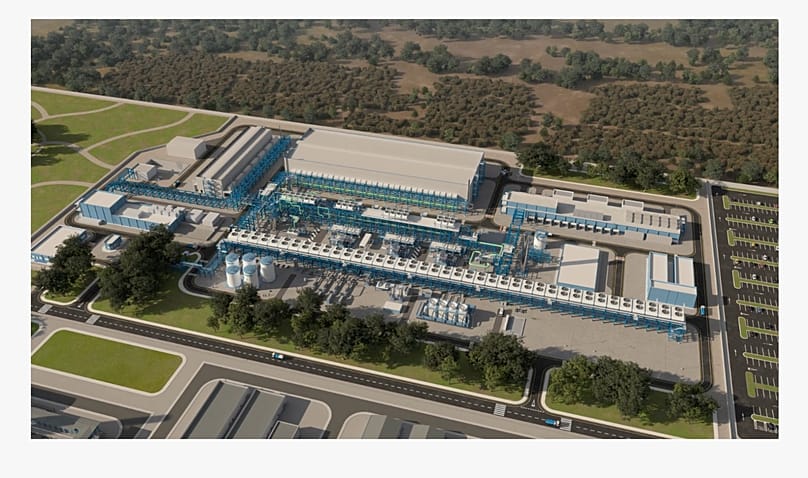
The first phase, called 'Onuba', will initially have 300 MW of electrolysis capacity, with the option of adding a further 105 MW, and will involve a total investment of more than €1 billion, including the associated infrastructure and a photovoltaic plant for self-consumption.
During the development, construction and commissioning phases, Moeve estimates that the project will create more than 8,000 direct jobs, as well as indirect and induced employment along the entire value chain, and will support activity at more than 400 small and medium-sized enterprises and local self-employed workers.
"Once again, we are turning ambition into a tangible reality", said Moeve's chief executive, Maarten Wetselaar, quoted in a statement. "Today we are turning the page on green hydrogen pilot projects and moving into the chapter of large-scale construction."
In comments to 'Euronews', Wetselaar argued that 'Onuba' can help reinforce Spain's role in Europe's energy transition and reduce external dependence. "We need European energy that is decarbonised and produced by us, and that is exactly what this project delivers," he explained.
The company expects the facility to produce around 45,000 tonnes of renewable hydrogen a year, avoiding some 250,000 tonnes of CO₂ emissions annually. The hydrogen will be used to support more sustainable production of fuels for road, air and maritime transport, as well as contributing to the decarbonisation of other industries.
Sánchez hails construction of the plant
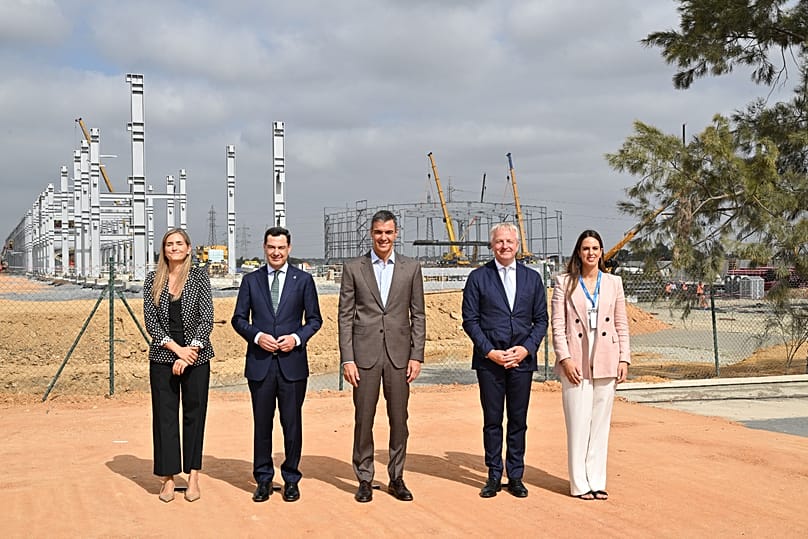
The start of construction was marked on Thursday in Palos de la Frontera at an event bringing together representatives of the Spanish government, the European Commission, the regional government of Andalusia and the town councils of Palos de la Frontera and Huelva, along with executives from the companies involved in the project.
Among those attending were the prime minister, Pedro Sánchez, the president of the regional government of Andalusia, Juanma Moreno, the third deputy prime minister and minister for the Ecological Transition, Sara Aagesen, and the European Commission's executive vice-president for a Clean, Fair and Competitive Transition, Teresa Ribera.
The prime minister welcomed what he described as a "huge industrial opportunity" which, in addition to creating jobs, shows that "the energy transition is already driving investment", both public and private.
"For decades, Spain and Europe have depended too heavily on energy coming from elsewhere. We still do. Unfortunately, every international crisis reminds us of the huge price we are paying for that dependence," he said at the event. "We cannot leave our supply at the mercy of unjustified wars, of tensions elsewhere, of the legitimate geopolitical interests of other powers that are not our own, nor, of course, keep picking up the tab for those who turn energy into just another piece in their power games."
Spain at the heart of production
For Moeve, Spain's conditions, and those of Andalusia in particular, offer an advantage for the development of green hydrogen. The company highlights the availability of solar and wind power, land for large renewable facilities and conditions that make it possible to produce renewable electricity at competitive cost.
"Spain has abundant solar energy, very good wind power and space to build large renewable parks," Wetselaar said. In his view, given that renewable electricity accounts for a large share of the cost of producing green hydrogen, the availability of renewable resources could make the country one of Europe's leading producers.
The 'Onuba' project is led by Moeve, which holds a 51% stake in the initiative. Hy24 and Cofides together hold 29%, while Enagás Renovable and Alter Enersun control the remaining 20%.
The project has been recognised by the European Union as a Project of Common Interest and has received €304 million in funding from the Spanish government through the Recovery, Transformation and Resilience Plan, financed by the European Union via NextGenerationEU.
A 2 GW project
'Onuba' is the first phase of the Andalusian Green Hydrogen Valley, which Moeve plans to develop to reach a total electrolysis capacity of 2 GW at its energy parks in Palos de la Frontera and San Roque, in the province of Cadiz.
The company also intends to connect production in Huelva with other European industrial hubs through pipeline or maritime transport solutions. "We want to scale up this plant and connect Huelva with other industrial centres in Europe," Wetselaar explained.
The development of hydrogen is part of a broader transformation of Moeve's facilities in Andalusia. The company plans to invest a total of €2.4 billion in energy transition projects in the region, including 'Onuba' and a second-generation biofuels plant that will produce sustainable aviation fuel and renewable diesel.
For Wetselaar, rolling out these projects could have effects that go well beyond energy production. "If Spain scales up, we are talking about thousands of jobs, a significant impact on GDP and, of course, political clout," he said. In his view, the ability to produce and export renewable energy could reshape Spain's energy relationship with the rest of Europe.