

















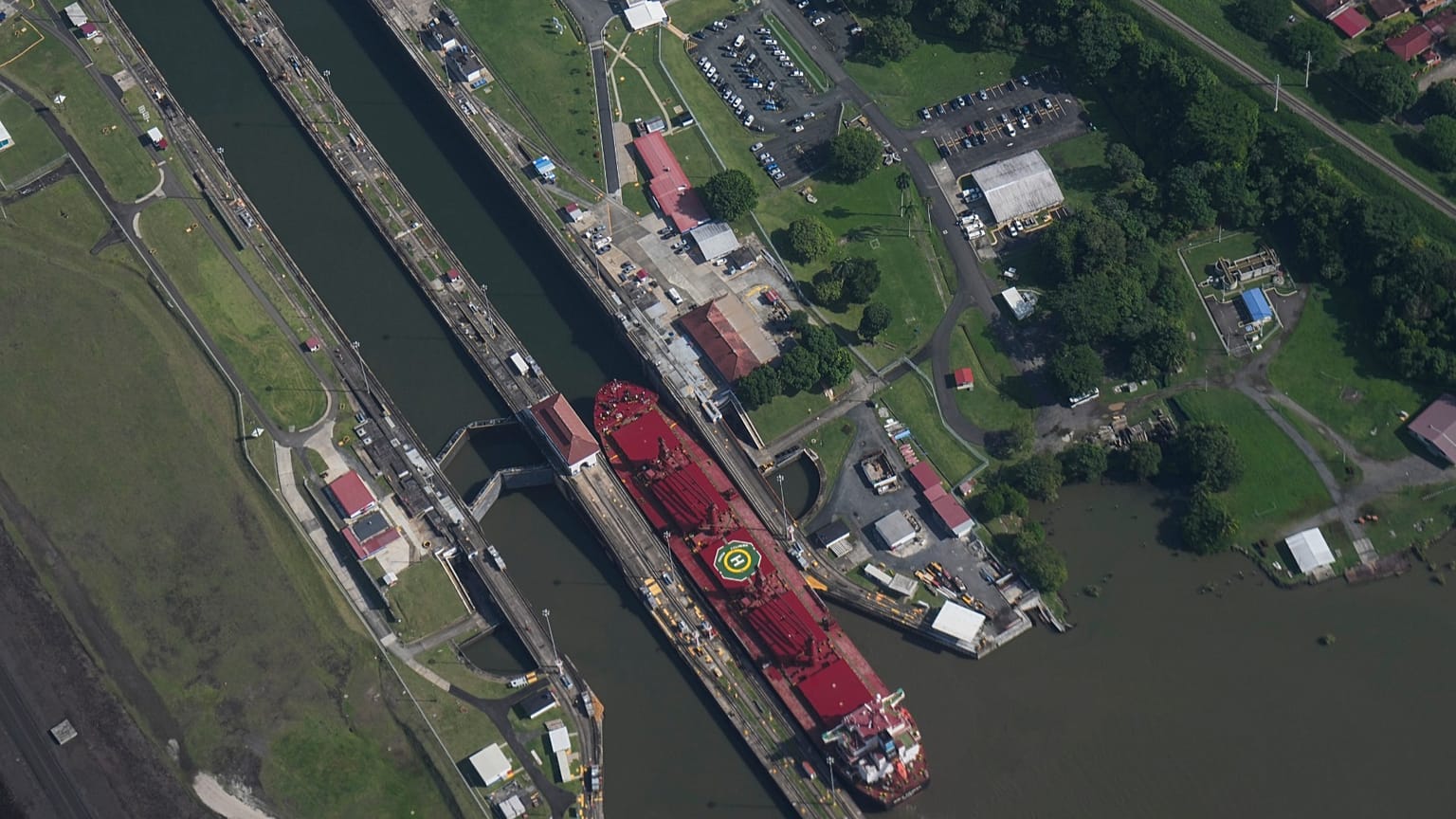













The operator said it does not rule out further restrictions on shipping depending on how much it rains in the coming weeks.
The Panama Canal will cut the number of ships passing through it starting next month because of drought caused by the El Niño climate phenomenon, the operator of the strategic waterway linking the Atlantic and Pacific said.
 ADVERTISEMENT
ADVERTISEMENT
ADVERTISEMENT
From 3 September, the number of vessels allowed through each day will fall from 36 to 34 due to lower water levels in two artificial lakes that feed the canal, the Panama Canal Authority said.
It will drop to 32 from 15 September onward, the agency said.
Central America is in the throes of a severe drought driven by El Niño, a weather pattern that warms surface temperatures in the central and eastern equatorial Pacific Ocean, triggering worldwide changes in winds, atmospheric pressure and rainfall.
In the area of the canal rainfall from May to August is down by 34% from its historical average, the authority said, adding that El Niño could cut it even more.
The Panama Canal handles 5% of global maritime trade and around 40% of US container traffic.
The canal operator said that "lower than forecast rainfall in the canal's watershed" called for measures to bolster the "long-term sustainability" of the waterway.
It has already implemented other water conservation measures, such as lowering the maximum draft, the vessel's depth in the water, for the largest ships.
In 2023 the water level in the lakes feeding the canal was so low the waterway's operators cut the daily ship transit number from 38 to 22.
It said that with the upcoming reduction, waiting times for ships trying to get through without making a reservation beforehand will increase.
Nine of 10 ships using the canal do so with a reservation and the remaining slots are auctioned off.
Before the Iran war the average winning bid in these auctions was $135,000 (€115,000). But in April one shipping company eager to use the canal paid a whopping $4 million (€3.4 million).
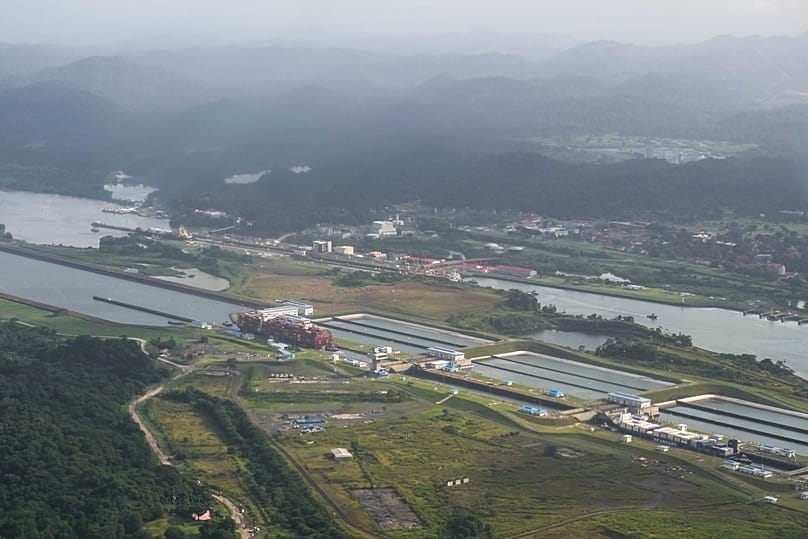
The operator said it does not rule out further restrictions on shipping depending on how much it rains in the coming weeks.
The US-built canal's main users are the United States, China, Japan, Chile and South Korea.
Water is a touchy issue in Panama because the lakes that feed the canal also provide water for half the population of 4.2 million people.
El Niño occurs on average every two to seven years and this year's is shaping up as one of the strongest on record.