





























The package would impose sanctions on Russian officials, oligarchs, financial institutions and the so-called shadow fleet used to evade restrictions on Moscow's oil exports. It would also allow President Donald Trump to set tariffs of up to 500% on Russian imports, including gas and oil.
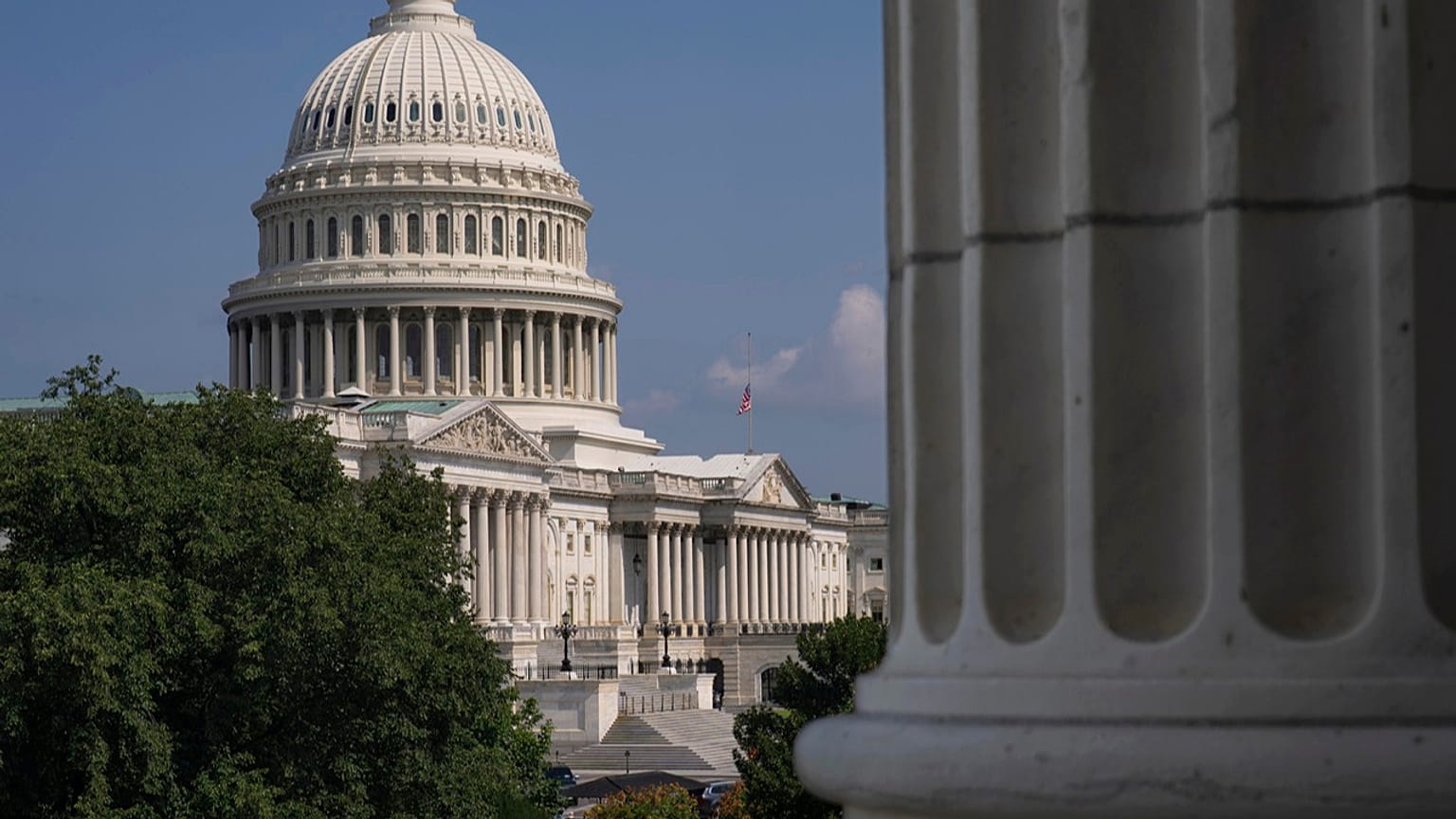
The US Senate has overwhelmingly approved a sweeping sanctions package targeting Russia's energy revenues, including Russian officials, oligarchs, financial institutions and the so-called shadow fleet.
 ADVERTISEMENT
ADVERTISEMENT
ADVERTISEMENT
The bipartisan legislation, which passed the Senate 86-11, would allow US President Donald Trump to set tariffs of up to 500% on Russian imports, including gas and oil.
It would also penalise countries that continue to buy Russian oil, gas and other exports, allowing Trump to impose tariffs of up to 100% on goods from major purchasers of Russian oil and gas, including countries such as China and India.
US sanctions would also expand to target older, reflagged oil tankers that Russia uses to circumvent existing US sanctions on Russian oil and energy revenues.
The legislation now heads to the House of Representatives, though a vote there will not take place until at least early September due to the congressional summer recess.
If adopted into law, Putin himself would be among those targeted by the sanctions, as well as other top officials.
The negotiated bill also includes waiver authority for the president, allowing the White House to waive sanctions or restrictions if the president certifies to Congress that the waiver is in the national interest.
The show of force from the Senate is the most substantial move yet during Trump’s second term to shift the dynamic of the more than four-year war. Congress has struggled to ensure US funding and munitions flows to Ukraine, but Trump has given a nod to the sanctions package, putting pressure for the House to take it up for a vote and send it to the White House for his signature.
The bill was named after the late Senator Lindsey Graham, who died on 11 July after spending more than a year building support for it.
Shortly before his death, Graham announced he had reached an agreement with the White House on a revised version of the text, including the extension of existing sanctions authority aimed at restricting funding for Iran's energy and weapons sectors.