













The global high-net-worth individual population grew 7.9% in 2025 to 25.3 million individuals worldwide, but how did Europe fare on the world stage?
The number of high-net-worth individuals across the world rose by almost 2 million in 2025. Their collective wealth increased by 8.7% to a record $98.3 trillion (€86.2trn), the largest annual jump since 2018, according to Capgemini’s World Wealth report.
 ADVERTISEMENT
ADVERTISEMENT
ADVERTISEMENT
But what’s causing that increase in wealth, are Europeans experiencing the boom and does a rise in the super rich do anything for the economy?
In other words, why should an average European citizen care about this?
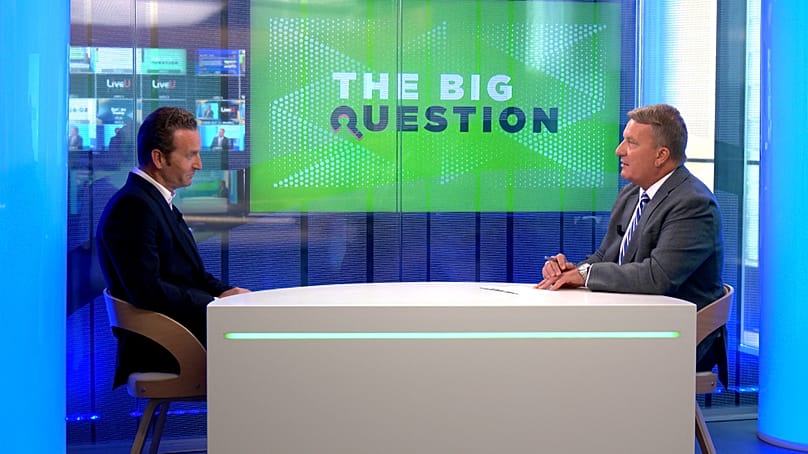
In this episode of The Big Question, Stefan Grobe is joined by the Executive Vice-President of Capgemini, Gareth Wilson, to discuss their latest World Wealth Report.
What is a high-net-worth individual?
With almost 2 million new members, let’s first define what it takes to be labelled a high-net-worth individual (HNWI).
The basic qualifier is that someone needs to have investable assets of greater than a million dollars, excluding their home. But dig a little deeper and there are more categories within.
$1 - $5 million: A millionaire next door.
$5 - $30 million: A mid-tier millionaire.
< $30 million: An ultra-high-net-worth individual.
These ultra-high-net-worth individuals (UHNWI) are, unsurprisingly, a rare breed and only make up 1% of the population but retain 34.8% of the planet’s total wealth.
Are Europe’s millionaires getting richer?
In short, yes.
Capgemini estimates there are around 6 million HNWIs in Europe, around a 6.5% increase in 2024. And their total wealth is growing too — Europe rebounded sharply, with HNWI wealth growth increasing from 0.7% in 2024 to 8.0% in 2025.
But of course, that increase in wealth isn’t evenly spread.
Luxembourg emerged as one of the highest-growth markets with a 13.5% HNWI population increase, unsurprising considering their low effective tax rates, generous exemptions on investment income and no wealth tax. Germany registered an 11.1% growth in HNWI population, Belgium went up by 9%, while France and the United Kingdom saw gains of 2.7% and 2.6%, respectively.
What are the super rich doing with their wealth?
As the number of rich people and their wealth grows, the way they use their wealth is also changing.
“We've seen a move towards equities, so stocks and shares, we've seen a move toward fixed income assets and we've seen a reduction in terms of the cash holdings,” Gareth explained.
“That's an interesting point because I think we view cash as a relatively conservative asset class and we've seen these high net worth individuals move their investments to higher returns but also potentially higher risk equities, stocks and shares.”
But don’t be alarmed by the word ‘higher risk’, because it’s probably a good thing for the rest of us.
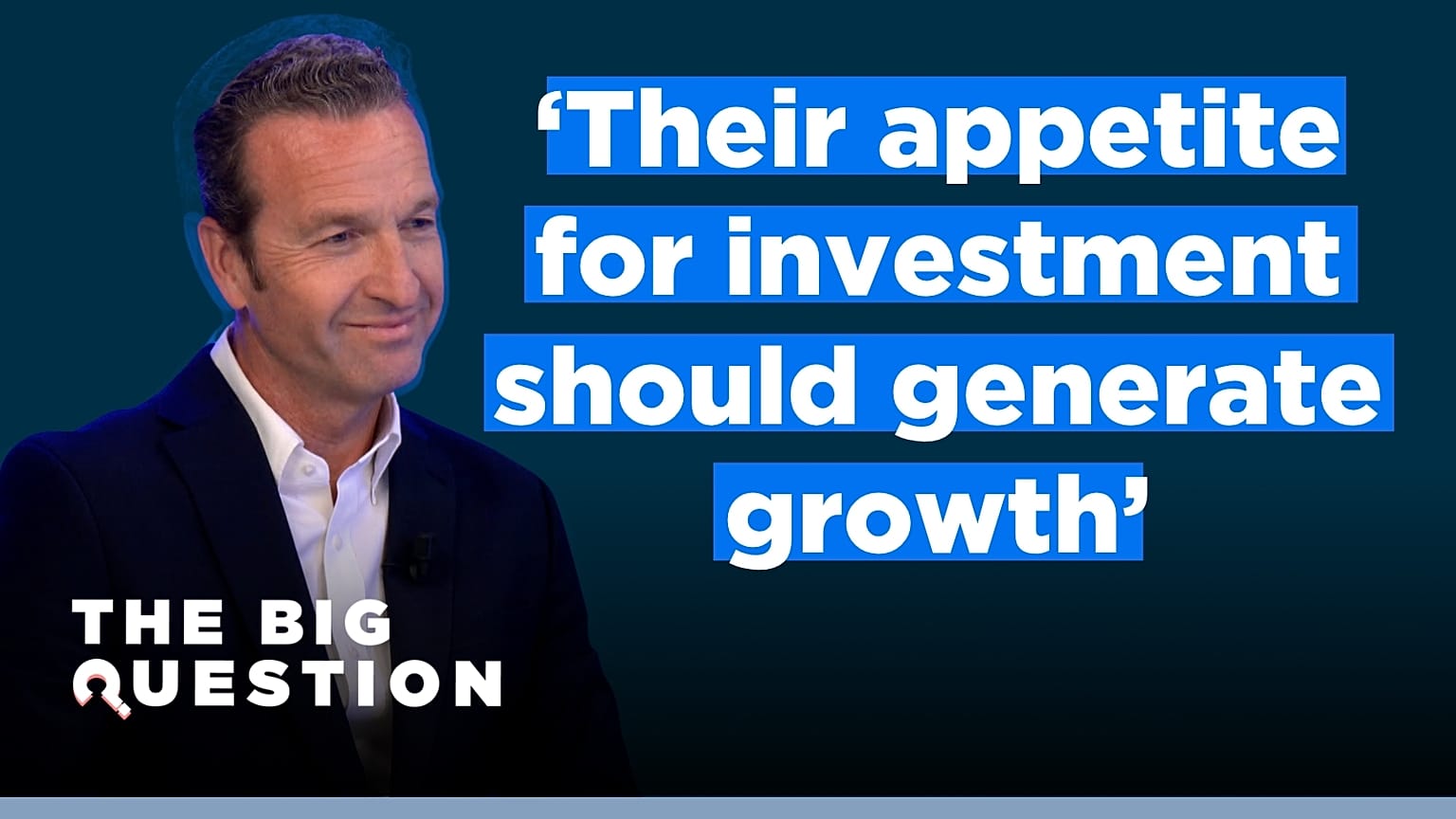
“I think because of their assets and their appetite for investment, this should generate growth. This should generate economic value across the globe. I think we see that in terms of how some of the stock markets have responded,” Gareth added.
Sectors like defence and energy, topics at the top of the European agenda right now, have seen a boost in their fortunes, bolstering stock markets. For example, Germany’s DAX index rose nearly 22%, partly thanks to the likes of Rheinmetall and Siemens Energy.
Mining and defence also contributed to the UK’s FTSE 100 rising 21.5% in 2025.
“The environment in terms of what the European Central Bank has done with regard to interest rates has definitely created some more stability to enable investment,” Gareth explained.
“But we've also seen significant focus on innovation, whether it be sectors like defence, which is obviously for differing reasons, [...] but that is also generating growth within the local economies, it's generating equity performance and ultimately contributing to this growth within high net worth individuals.”
The Big Question is a series from Euronews Business where we sit down with industry leaders and experts to discuss some of the most important topics on today’s agenda.
Watch the video above to see the full discussion about Capgemini’s World Wealth Report.